Last updated November 25, 2026
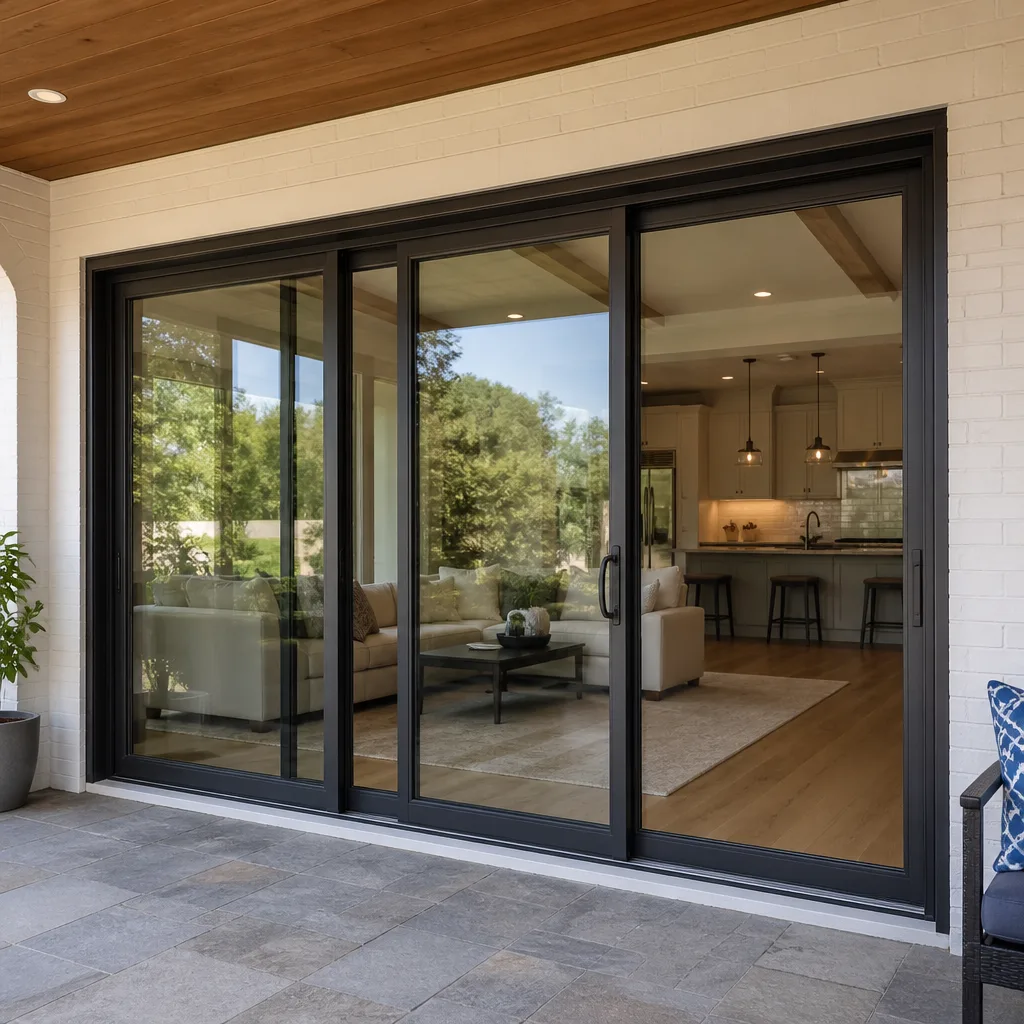 Sliding glass doors
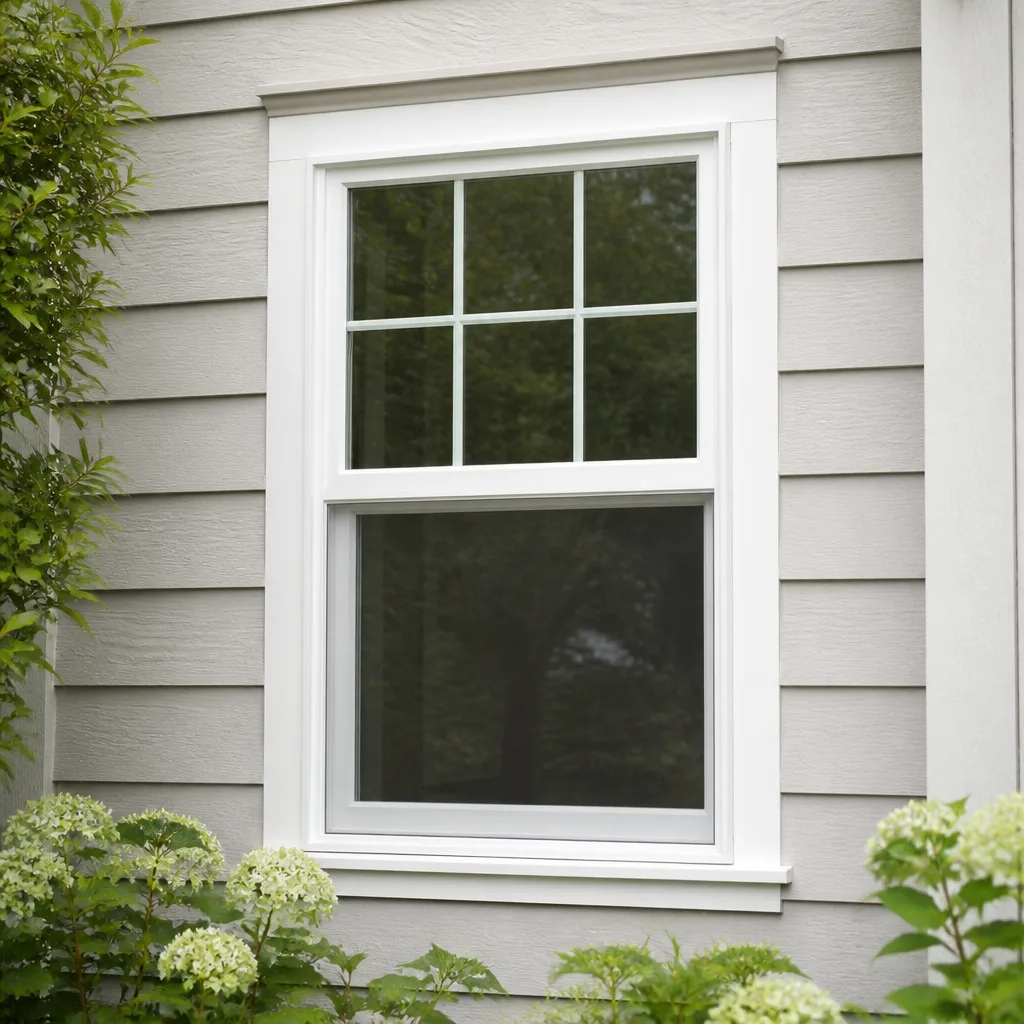 Single hung
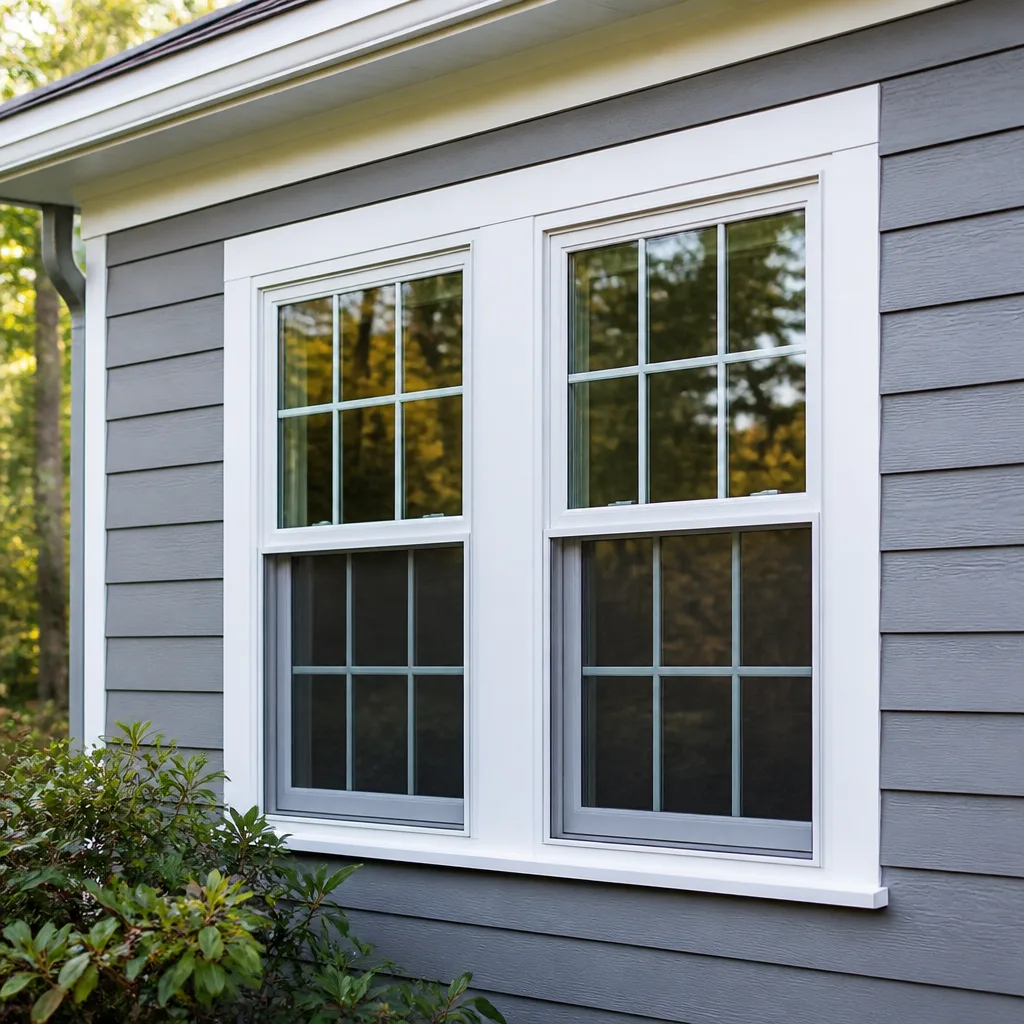 Double hung
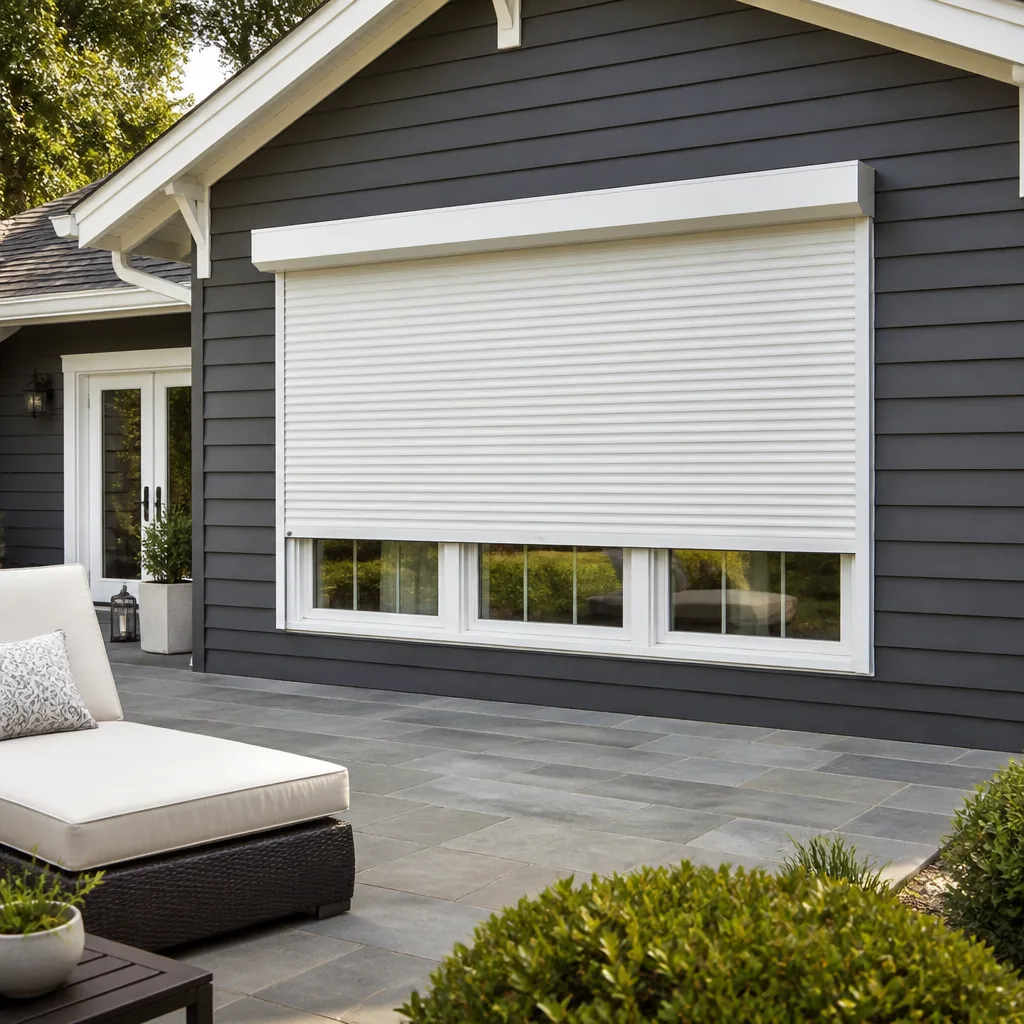 Horizontal roller
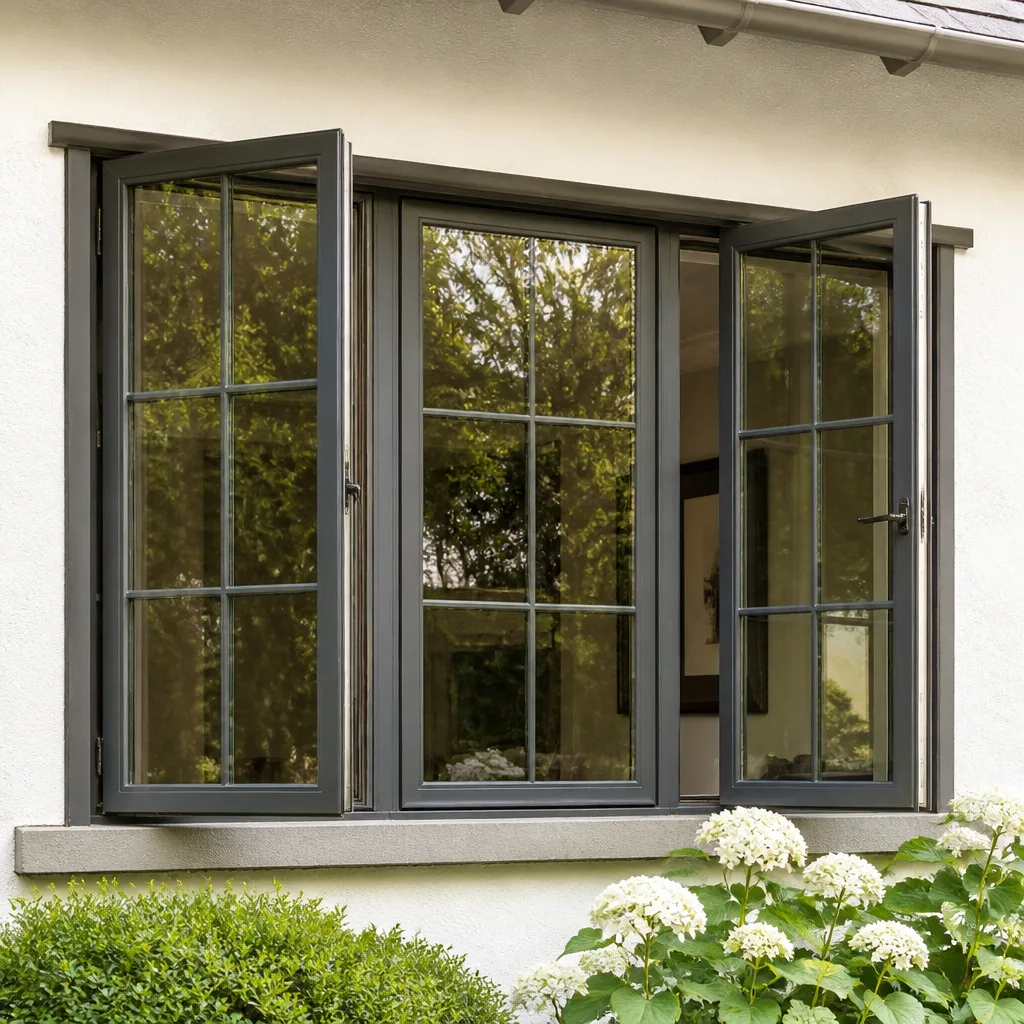 Casement
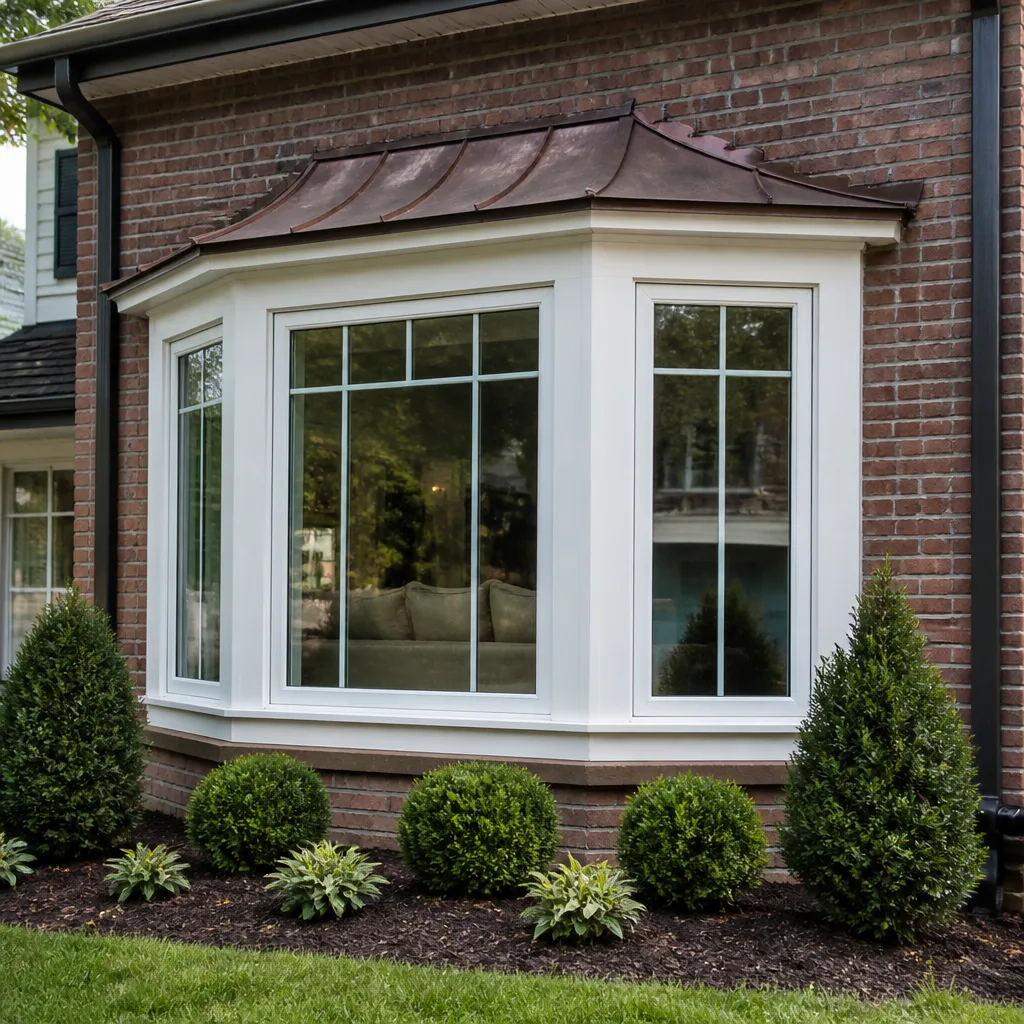 Bay & bow
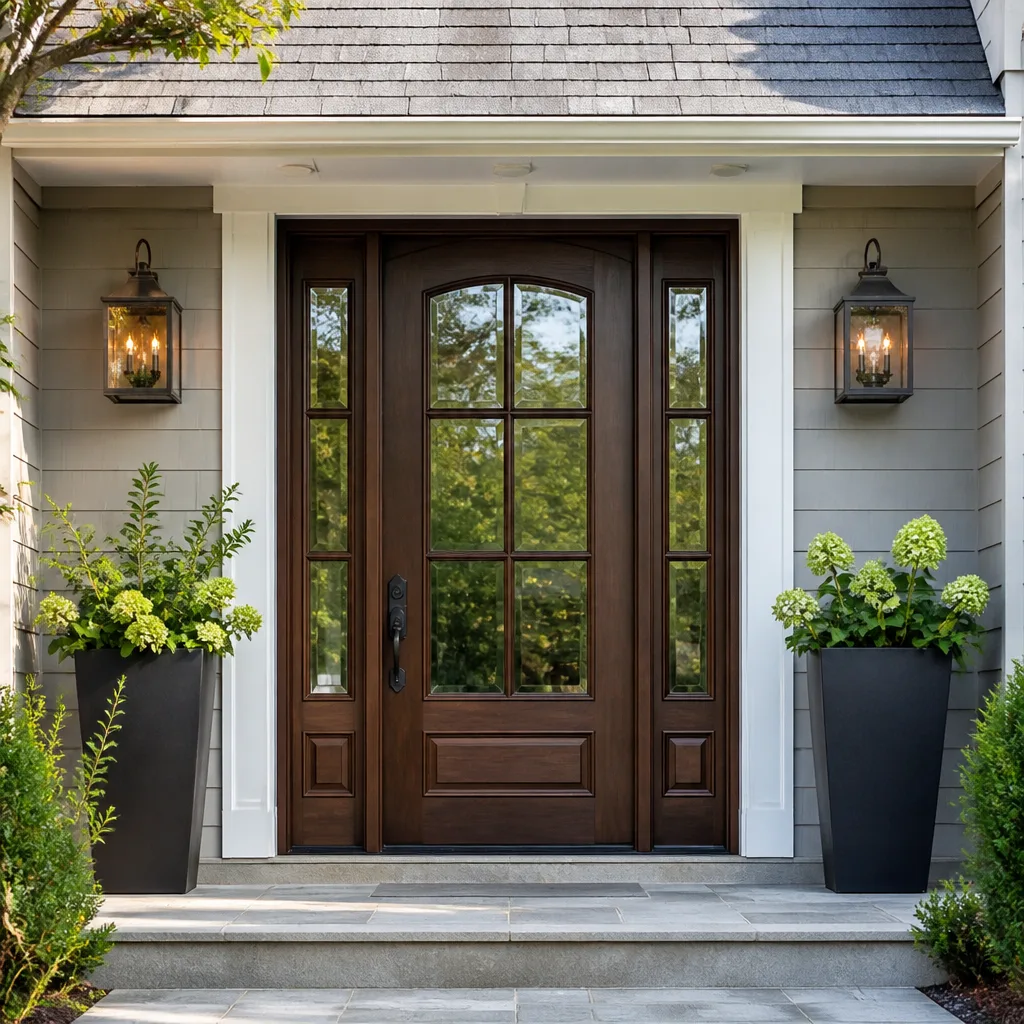 Entry doors
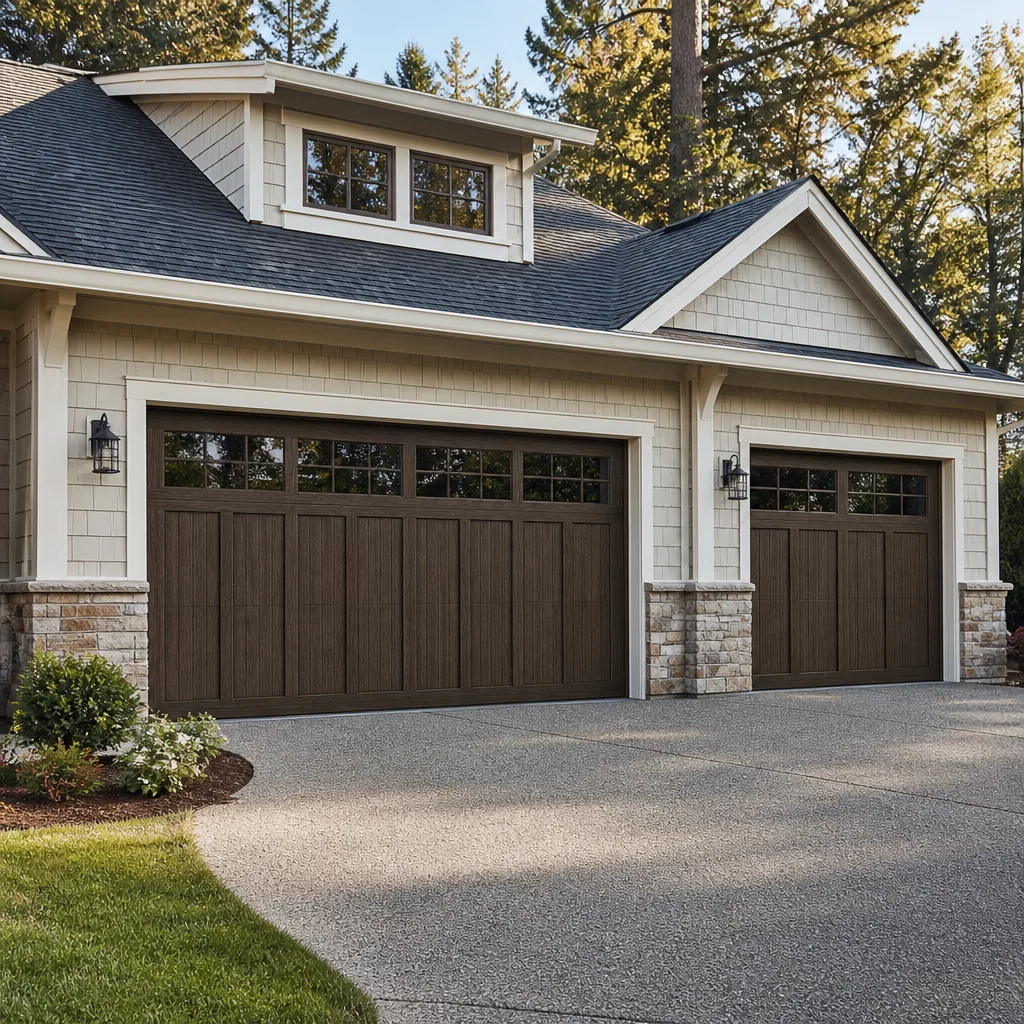 Impact garage doors
 PGT
 CGI
Free in-home measure and quote - PGT, CGI and CWS impact lines compared on your actual openings, style by style
Get your free estimateWindows & Doors Cost Breakdown: The Everett Homeowner’s Reference for 2026
A $650 “installed” window quote and a $950 “installed” window quote in Everett can represent the exact same total project cost once you add what the first quote left out. Or the $950 quote can be genuinely more expensive. The headline number tells you nothing until you know what it contains. That’s the whole problem with window and door pricing in Everett right now: quotes are written to different scopes, manufacturer tiers carry names that mean different things across brands, and nobody standardizes the line items. This guide does. You’ll learn what a complete quote should itemize, how frame material moves real installed dollars, why the same neighborhood can produce wildly different prices, and how to compare bids apples to apples.
Quick Answer
A typical window replacement in Everett runs roughly $550 to $1,400 per installed window in 2026, with most whole-home jobs landing between $6,000 and $18,000 depending on count, frame material, and glass package. Entry door replacement generally falls between $1,200 and $4,500 installed, and sliding door replacement typically runs $2,500 to $6,500. Those ranges only mean something once your quote breaks out product, labor, permit, trim, haul-away, and contingency separately. Call (425) 521-6663 for a free written estimate that itemizes every one of those lines.
Styles & brands we work with
- Single hung
- Double hung
- Horizontal roller
- Casement
- Bay & bow
- Sliding glass doors
- Entry doors
- Impact garage doors
- PGT
- CGI
Table of Contents
- What belongs in a legitimate Everett window replacement quote
- How frame material shifts installed cost in Everett
- Why prices vary across Everett neighborhoods
- How to read manufacturer tier pricing across multiple brands
- Door costs: entry systems and sliding doors
- Financing and the cost of waiting
- How to compare two Everett bids line by line
- Common mistakes to avoid
What Belongs in a Legitimate Everett Window Replacement Quote?
A complete window replacement quote in Everett itemizes six things: product, labor, permit, interior trim, haul-away, and a stated contingency. If any of those are missing, the price you’re comparing isn’t the price you’ll pay. This is the single biggest reason bids look further apart than they actually are.
Here’s how each component behaves in this market:
- Product. The window unit itself, including glass package, frame, and any impact or energy rating. This is usually 40 to 55 percent of the total on a mid-grade job. Vinyl sits at the low end; fiberglass and wood-clad climb from there.
- Labor. Removal of the old unit, prep of the opening, setting, shimming, flashing, insulating, and finishing. Labor rarely varies much between reputable installers on a straightforward job, which is why a suspiciously cheap bid usually signals something else was cut.
- Permit. Most cities require a permit for window replacement, so ask your city’s building department what applies to your address and confirm the fee appears as its own line. A quote that folds “permits included” into the product price hides a real cost you’ll want to see.
- Interior trim. This is the most frequently omitted line. New windows rarely match the depth of the old ones, so trim, extension jambs, and paint-ready finishing are real scope. A quote without a trim line either expects you to handle it or plans to surprise you later.
- Haul-away and disposal. Old windows and doors are bulky, heavy, and not accepted in normal residential garbage. Disposal is a genuine cost and belongs in the quote.
- Contingency. Rot, damaged framing, or an opening that isn’t square. A professional quote states how unexpected structural work will be priced rather than discovering it mid-install.
When every bid you collect shows those six lines, the comparison stops being guesswork. For a full walkthrough of what the installation itself involves, see our guide to window installation.
How Does Frame Material Shift Installed Cost in Everett?
Frame material is the second-largest cost driver after window count, and in Everett’s market the installed-dollar gaps between vinyl, fiberglass, and wood-clad are wider than national averages suggest. Here’s what each material actually means in installed terms.
Vinyl
Vinyl is the value tier and the most common choice for straightforward replacement work. It performs well, insulates reasonably, and keeps the per-window number at the lower end of the range. The trade-off is limited color options and a bulkier frame profile that reduces visible glass area slightly. For a standard opening in a mid-century ranch, vinyl is often the right fit.
Fiberglass
Fiberglass sits a step up in both price and durability. It holds its shape through temperature swings, takes paint well, and offers a slimmer frame profile than vinyl, which matters when you’re trying to match the look of an older home. In Everett’s wet, cool climate, fiberglass resists moisture-related movement better than wood and doesn’t expand and contract the way vinyl does. Expect a meaningful per-window premium over vinyl.
Wood-Clad
Wood-clad combines a real wood interior with an aluminum or vinyl exterior cladding. It’s the premium option and the one that most convincingly matches historic Everett homes in neighborhoods where the exterior appearance matters to the streetscape. The installed cost is the highest of the three, and it’s worth it only when the interior finish and architectural character are part of the goal.
One practical note: the material decision and the brand decision are linked. Not every manufacturer in a portfolio builds all three. Working across eight brands (including CWS and ES Windows for impact and energy lines, plus vinyl, fiberglass, and clad options elsewhere) means the recommendation follows the opening, not the other way around. We install what we recommend, so the accountability for that match stays with us through the finished install.
Why Do Prices Vary Across Everett Neighborhoods?
Two houses with identical window counts can produce bids hundreds of dollars apart per opening, and the reason is almost never the windows. It’s the access, the height, and the age of what’s around the opening. Here’s what shifts the number in Everett specifically.
- Accessibility and staging. A home with a narrow driveway, steep lot, or tight side yard makes it harder to stage materials and equipment safely. Crews work slower and in smaller batches, and that shows up in labor. Homes on sloped lots near the waterfront bluffs require more careful staging than a flat-lot property.
- Story height. Second-story and gable-end windows need ladders, staging, or lifts. Anything above the first floor adds labor, and the effect compounds when there are several upper openings on the same elevation.
- Historic district requirements. Parts of Everett fall within historic overlay areas where exterior changes need review before a permit is issued. That review has a timeline and sometimes constrains the window profile or material you can use. Ask your city’s building department whether your address sits in one before you sign anything.
- Soil and site conditions. Some Everett lots have soft or fill-heavy soil that makes equipment staging tricky. It’s not a window cost in itself, but it affects how a crew sets up, and a professional quote accounts for it.
- Age of the opening. Older homes often have out-of-square openings, existing trim that won’t survive removal, or framing that needs attention. This is where the contingency line earns its place.
If you’re weighing a partial job against a whole-home one, it helps to know that the same access and staging costs get spread across more openings on a larger job, which is one reason per-window prices drop as the count rises. For a broader look at project scope and planning, read our Window Replacement Everett overview before you start collecting bids.
How Do You Read Manufacturer Tier Pricing Across Multiple Brands?
Manufacturers market their lines with names like “Premium,” “Architectural,” and “Signature,” and those names mean different things at different brands. A mid-tier window from one manufacturer and a mid-tier window from another are not the same price point or the same performance level, even though both say “mid-tier” on the brochure. This is the trap that makes cross-brand comparison so hard.
Here’s how to cut through it:
- Ignore the tier name and look at the spec sheet. Ask for the U-factor, the design pressure rating, and the glass package on the actual unit being quoted. Those are the numbers that determine performance, and they cross brand boundaries.
- Ask what the tier changes. At some brands, moving up a tier adds a better glass package and hardware. At others, it changes the frame extrusion and the weatherstripping. The price step should tell you what you’re buying.
- Compare like-for-like materials. A clad window from one brand and a vinyl window from another can land at similar prices, but they’re not the same product. Always confirm the frame material before comparing dollars.
- Don’t assume a brand’s reputation transfers across its whole catalog. A manufacturer that builds an excellent impact line may build a perfectly ordinary standard line. PGT and CGI are known for impact-rated product engineered for high-wind and storm-exposure conditions; that strength doesn’t mean every line in their catalog is the right pick for a sheltered Everett interior.
- Ask why a specific unit was chosen for a specific opening. If the answer is “it’s what we carry,” you’re being sold inventory, not a recommendation.
This is the practical value of a multi-brand portfolio: no brand lock-in, so the recommendation is driven by what performs best for the opening and the homeowner’s budget. Eight brands, one installer, and the conversation starts with the house.
What Do Entry and Sliding Door Replacement Cost in Everett?
Doors are priced differently from windows because the scope is different. An entry door involves the slab, the frame, the hardware, and often the sidelites and trim, and a sliding door involves a large opening with its own structural and sealing demands. Here’s how the numbers break out.
Entry door replacement
Entry door replacement in Everett generally runs $1,200 to $4,500 installed, depending on material, glass, sidelites, and finish. Therma-Tru entry systems are the category reference point, and access to that line matters because the door is the most-used opening in the house and the one most tied to security and weather sealing. What drives the price:
- Door material (steel, fiberglass, or wood) and whether it’s a smooth or textured finish
- Glass in the door or sidelites, and whether it’s impact-rated
- Hardware, lockset, and whether the threshold and sweep need replacement
- Whether the existing frame is sound or needs rebuilding
Sliding door replacement
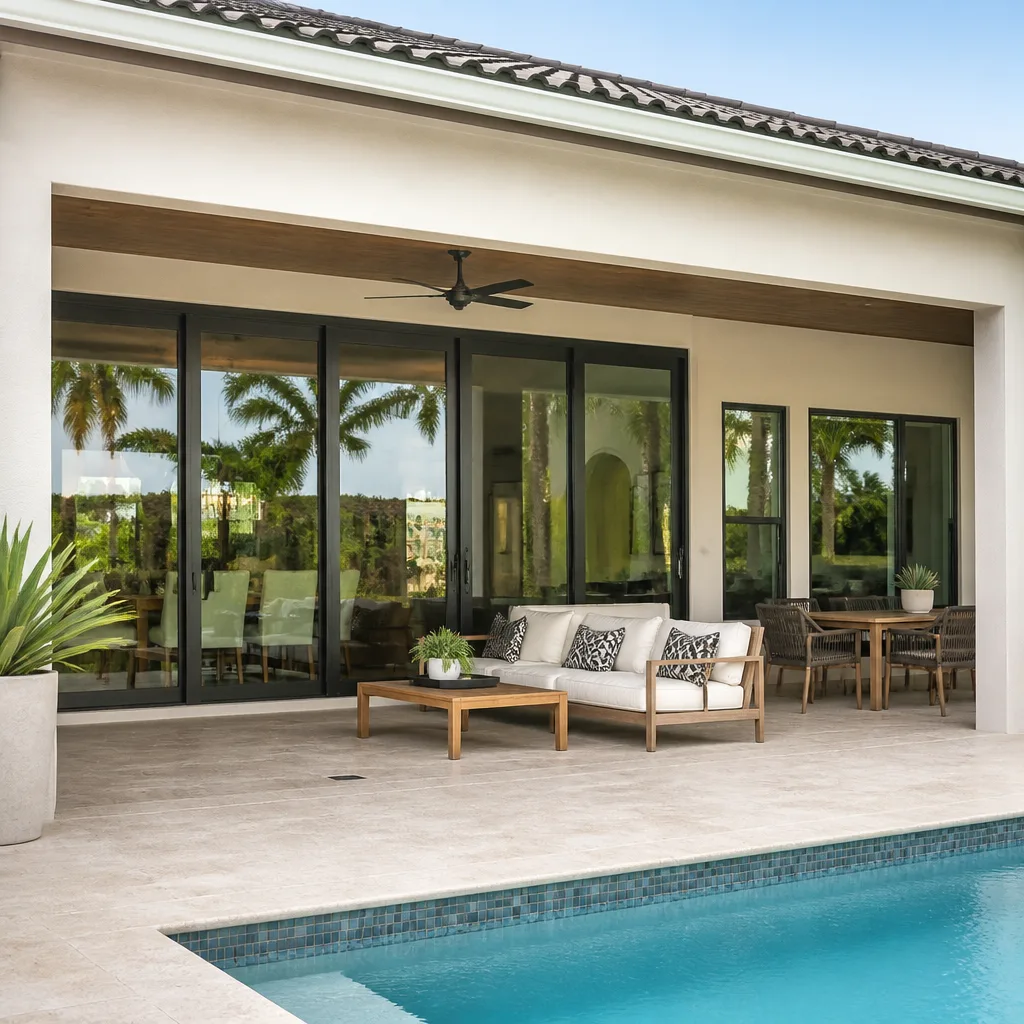
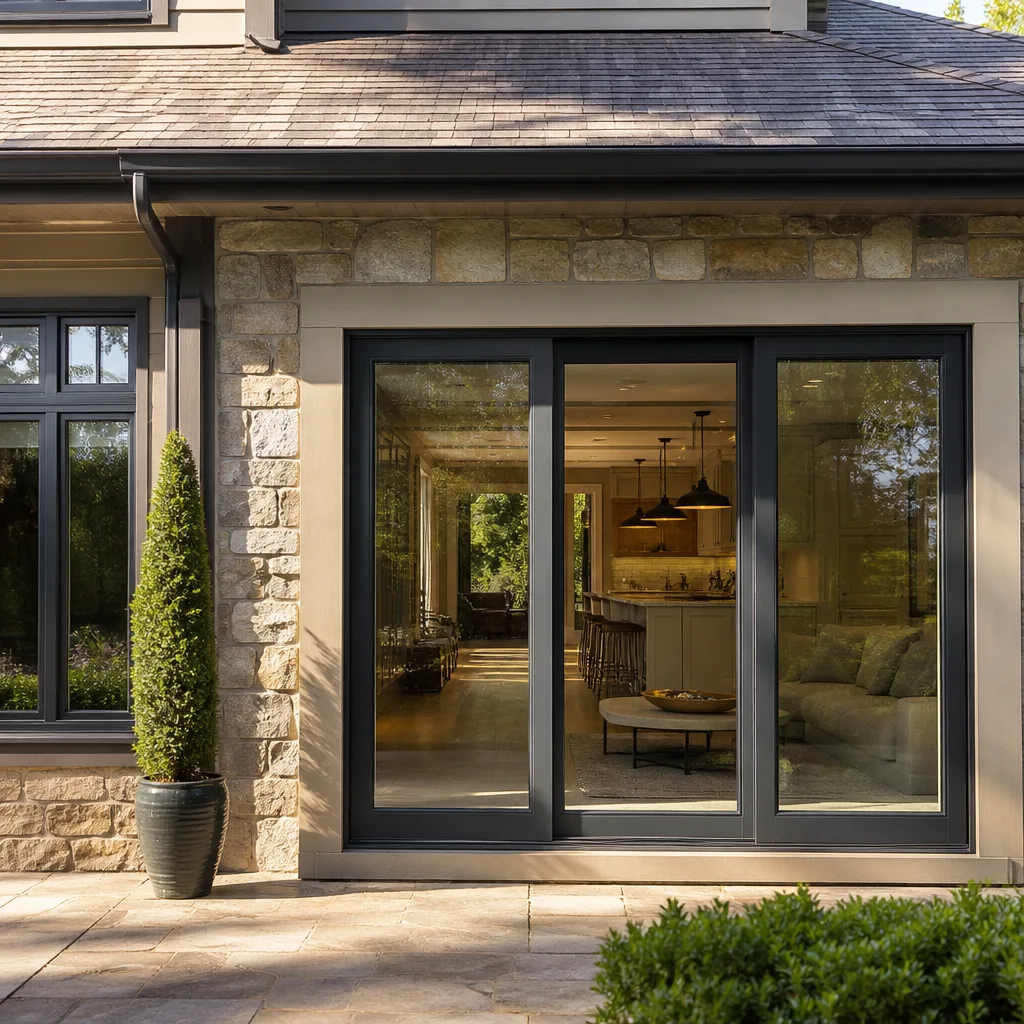
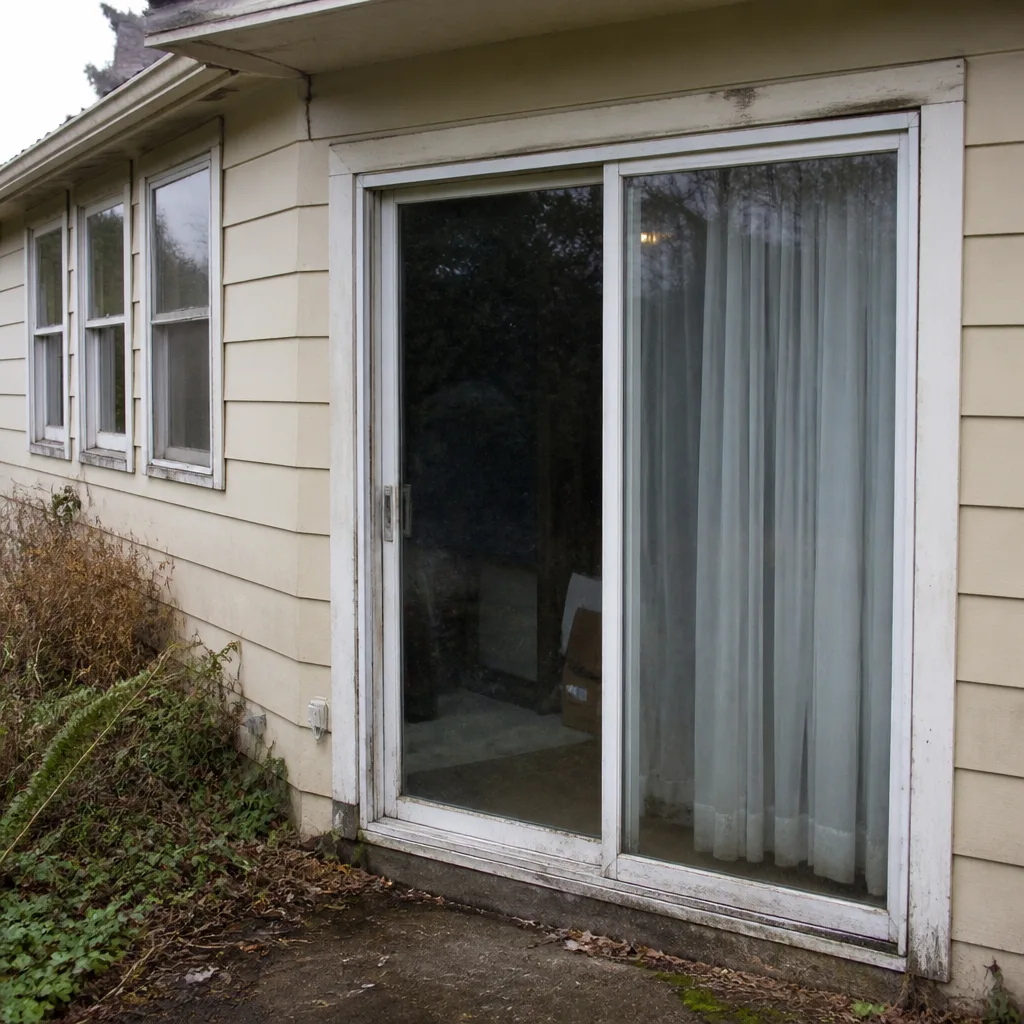
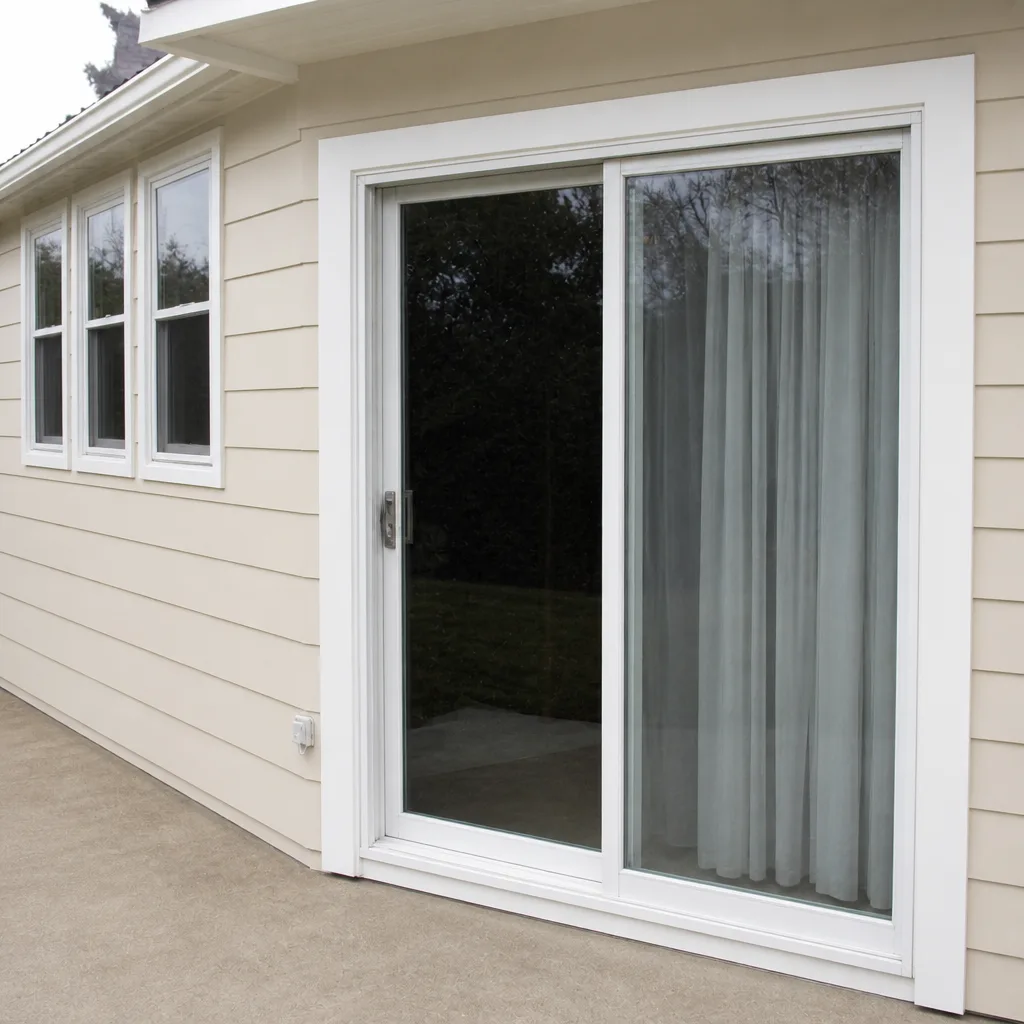
Sliding door replacement typically runs $2,500 to $6,500 installed. It’s a technically distinct job: the opening is wider, the header and track need to be level and true, and the sealing detail is where sliding doors fail. Many general window companies treat sliding doors as an afterthought; we treat them as their own specialty. If your patio door is drafty, hard to slide, or letting water in at the threshold, replacement (not a repair) is the answer, and the framing is where the work needs to be done right. For the full scope, see our door replacement guide.
Pairing windows and doors with one installer matters here: if the door and the adjacent windows are being replaced at the same time, the sealing and trim at the junction are one contractor’s job, not two companies blaming each other.
How Should Everett Homeowners Evaluate Financing?
Financing is a cost, not a discount. Any monthly payment you’re quoted has a total cost hiding inside it, and the only way to evaluate it is to compare the total financed amount against the cost of waiting. Here’s the comparison that actually matters.
When you’re evaluating a financing offer, ask four questions:
- What’s the total amount financed, including fees? Not the monthly payment. The total, written down.
- What’s the term, and what’s the total interest paid over it? A longer term lowers the monthly number and raises the total cost.
- Is there a prepayment penalty? If you can pay it off early, does that save you money or not?
- What does deferring the project cost? This is the one most homeowners skip. Windows and doors performing poorly mean higher heating costs through an Everett winter, and a deteriorating door frame or failed window seal gets more expensive to replace the longer it’s left. Deferring a $10,000 project for two years to avoid financing interest can cost more in the interim than the interest would have.
We don’t sell financing, so our recommendation is simple: get the total cost in writing from whatever lender you use, compare it against the cost of another winter with the current windows, and decide with both numbers in front of you. The written estimate for the work itself is free either way. Call (425) 521-6663 to schedule one and you’ll have the project number to compare against any financing offer.
How Do You Compare Two Everett Window Bids Line by Line?
Put the two quotes side by side and compare them by category, not by total. The gaps will tell you exactly where the difference lives, and sometimes the “expensive” bid wins on scope alone.
Work through it in this order:
- Count the openings. Are both quotes covering the same windows and doors? A bid missing one opening isn’t cheaper, it’s smaller.
- Match the product specification. Same frame material, same glass package, same U-factor and design pressure rating. If one quote doesn’t specify, ask for it in writing.
- Check the permit line. Is a permit pulled and included? Who’s responsible for inspection? Confirm the cost is listed.
- Check trim and finish. Interior trim, extension jambs, exterior flashing, and paint-ready finishing. If one quote omits trim, price that work separately before comparing.
- Check haul-away. Who removes and disposes of the old units?
- Check the contingency language. What happens if rot is found? Is it priced at a stated rate, or is it open-ended?
- Ask about warranty coverage in writing. Product warranty from the manufacturer and workmanship coverage from the installer. Get the terms, not the sales pitch.
Once you’ve done that, the comparison is honest. Our technicians have up to 9 years of experience, and the estimates we write itemize every line so the side-by-side works. Every estimate is free and in writing.
Common Mistakes to Avoid
- Comparing totals without comparing scope. A lower total often just means a shorter scope. Two sentences of scope clarification can flip which bid is actually cheaper.
- Assuming “installed” includes trim and disposal. In this market it frequently doesn’t. Ask directly and get the answer in the written quote, not the verbal one.
- Letting a single brand drive the decision. If a company only carries one line, every opening gets that line. A multi-brand portfolio lets the product follow the house, and that’s the difference between a recommendation and a sale.
- Ignoring the permit question. Skipping the permit shifts risk onto you as the homeowner. Ask your city’s building department what your address requires and confirm the quote covers it.
- Replacing windows without checking the door. If an entry door is letting in water, the windows next to it will see the same moisture. The exterior envelope works as one system.
- Treating sliding doors like windows. They have a different structural and sealing profile. Ask specifically what sliding door experience the installer has before you sign.
- Financing on monthly payment alone. The monthly number hides the total cost. Compare total financed against the cost of another winter with the current units.
See the difference
 Before
 After
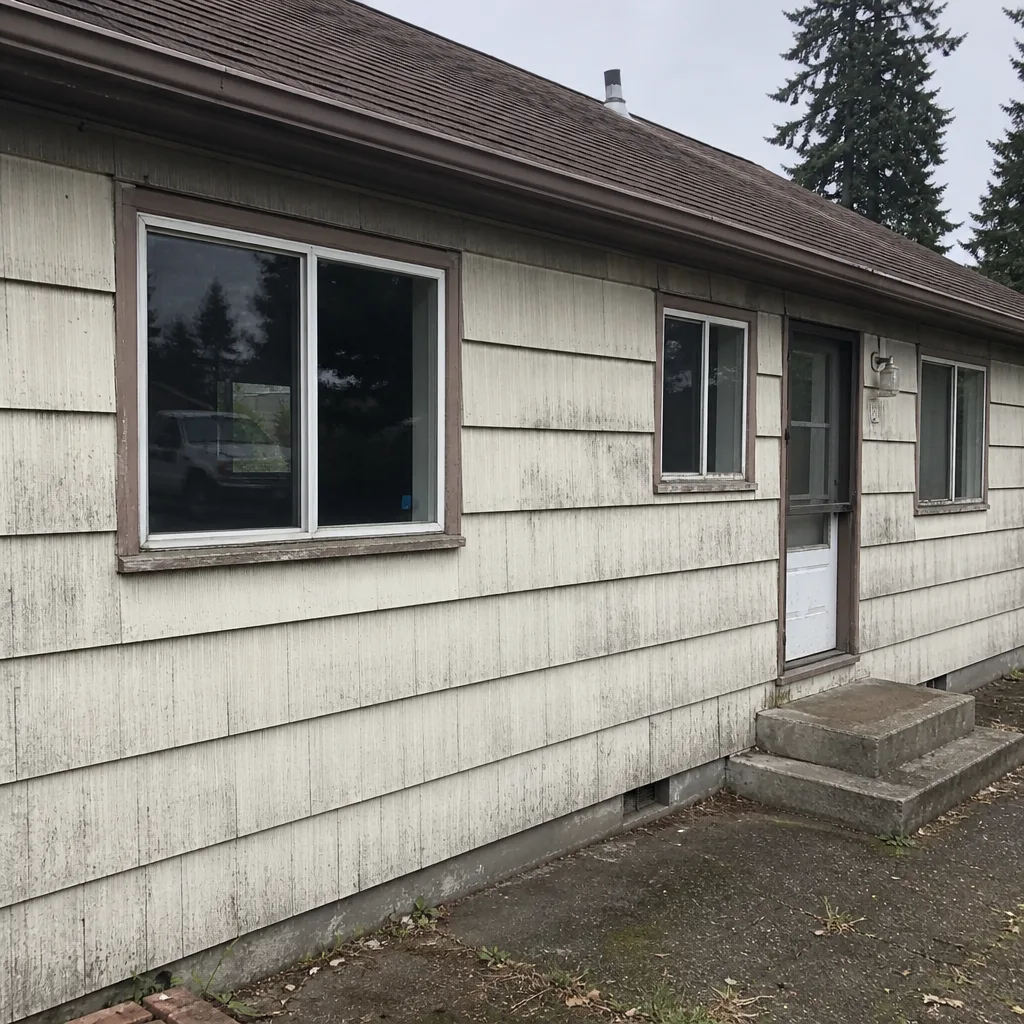 Before
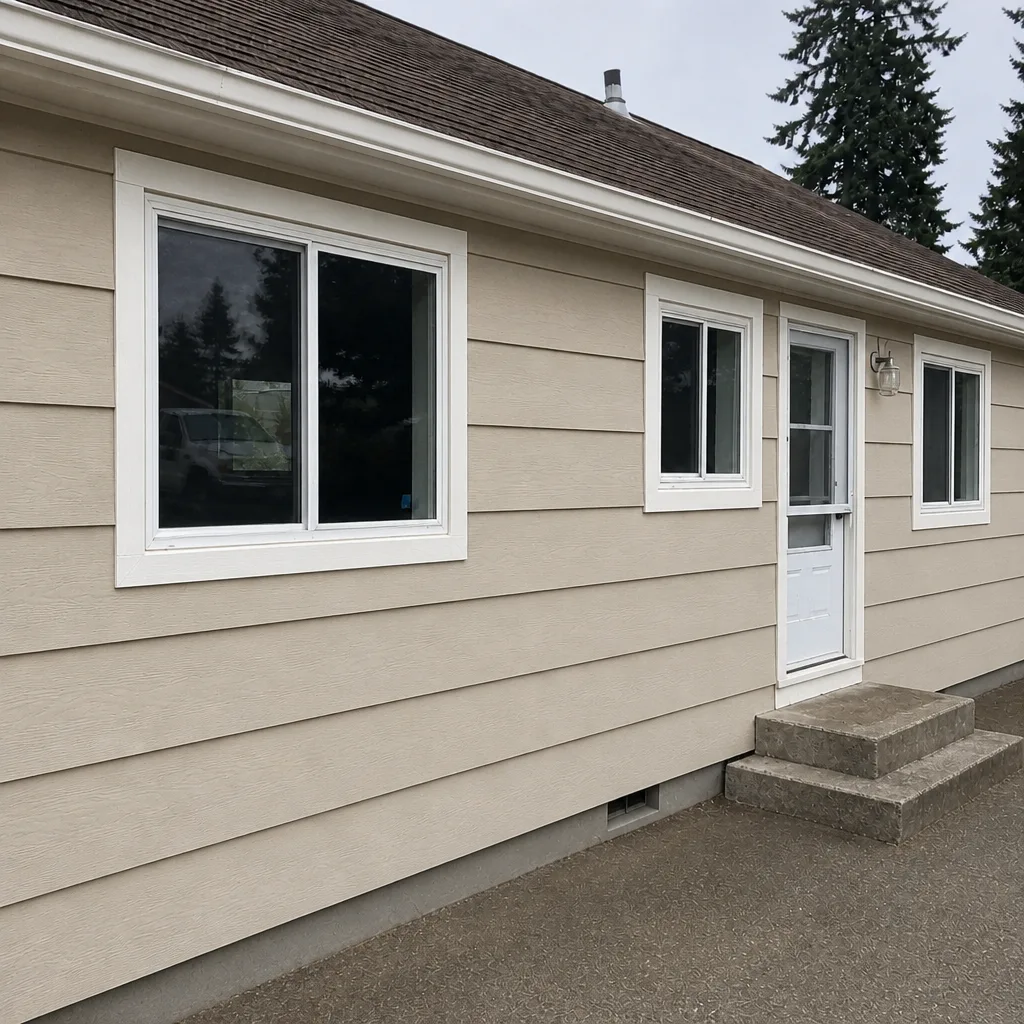 After
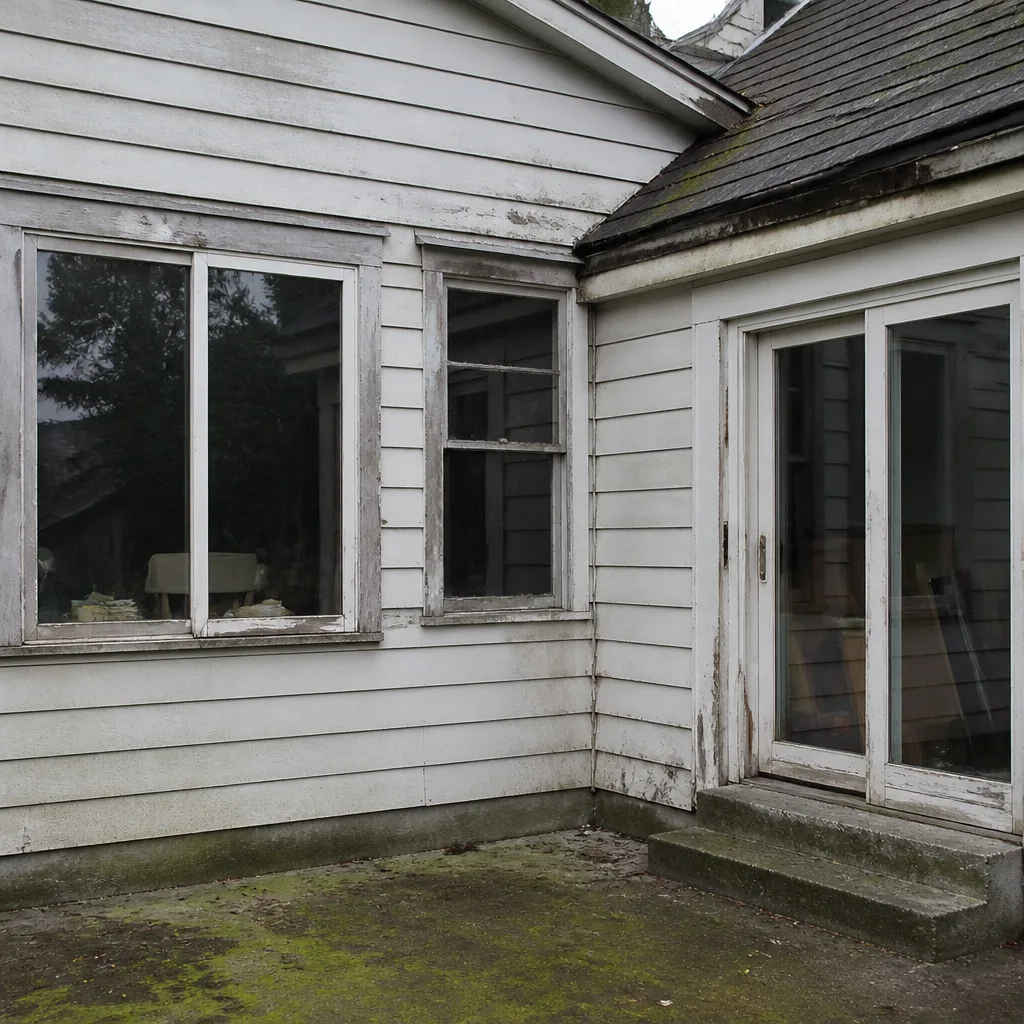 Before
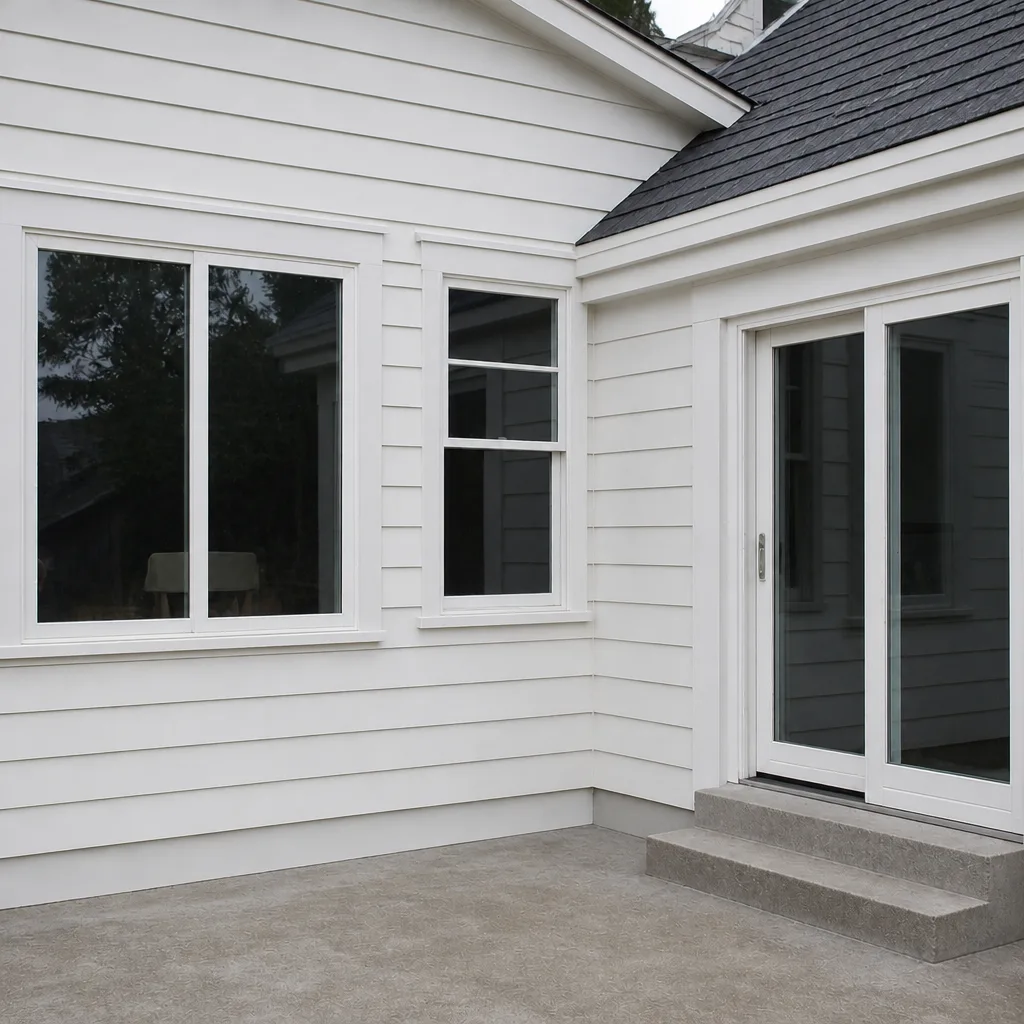 After
When to Call a Professional
Some window and door problems are cosmetic, and some are structural, and the difference is worth a professional opinion. Call us if a window fogs between the panes, if you feel a draft along the frame or see water staining the interior trim, if a sliding door is hard to operate at the track, if the door frame has soft spots or visible rot, or if you’re seeing daylight around a closed entry door. Any of those are signs the unit needs replacement, not adjustment. Our technicians have up to 9 years of experience, and we handle replacement and installation of windows, entry doors, and sliding doors only. Window Replacement Everett offers free estimates in Everett. Call (425) 521-6663 to schedule yours. We take jobs of three openings or more, so the estimate is for a real project.
Frequently Asked Questions
Most Everett window replacement jobs run $550 to $1,400 per installed window, so a typical whole-home project lands between $6,000 and $18,000 depending on count, frame material, and glass package. The written estimate is what sets the final price, and it should itemize product, labor, permit, trim, and disposal. Call (425) 521-6663 for an exact quote; estimates are free.
It’s almost always scope, not markup. One quote may exclude trim, permit fees, or haul-away while the other includes them, and the higher total can be the better value. Compare the line items side by side before you decide. Call (425) 521-6663 if you want help reading a bid you already have.
Permits are part of the quote and we handle the process. Most cities require a permit for window replacement, so ask your city’s building department what your address requires. Confirming the permit line before work starts protects you. Call (425) 521-6663 to talk through what your project will need.
Entry door replacement generally runs $1,200 to $4,500 installed, while sliding door replacement typically falls between $2,500 and $6,500. Material, glass, and the condition of the existing frame drive the number. Call (425) 521-6663 for a written estimate on your specific opening.
Not if the quote is written properly. A professional estimate states the contingency rate for unexpected issues like rot or out-of-square framing before work begins, so surprises are priced in advance. The written estimate sets the final price. Call (425) 521-6663 for an estimate that spells it out.
We replace and install new windows and doors only; we don’t do repairs. If a unit is foggy, drafty, or failing at the seal, replacement is the right path. We take projects of three openings or more. Call (425) 521-6663 to schedule a free estimate.
The Bottom Line
The number on an Everett window or door quote is only as useful as the scope behind it. Get six lines in writing (product, labor, permit, trim, haul-away, contingency), match the product specification across bids, and the comparison becomes honest. Frame material moves real dollars, and the right choice depends on the opening and the house. Manufacturer tiers mean different things across brands, which is exactly why a multi-brand portfolio is worth insisting on. And when you’re weighing financing, compare total cost against the cost of another winter with the current units. Call (425) 521-6663 for a free written estimate on your project.
Written by the team at Window Replacement Everett.