Last updated November 25, 2026
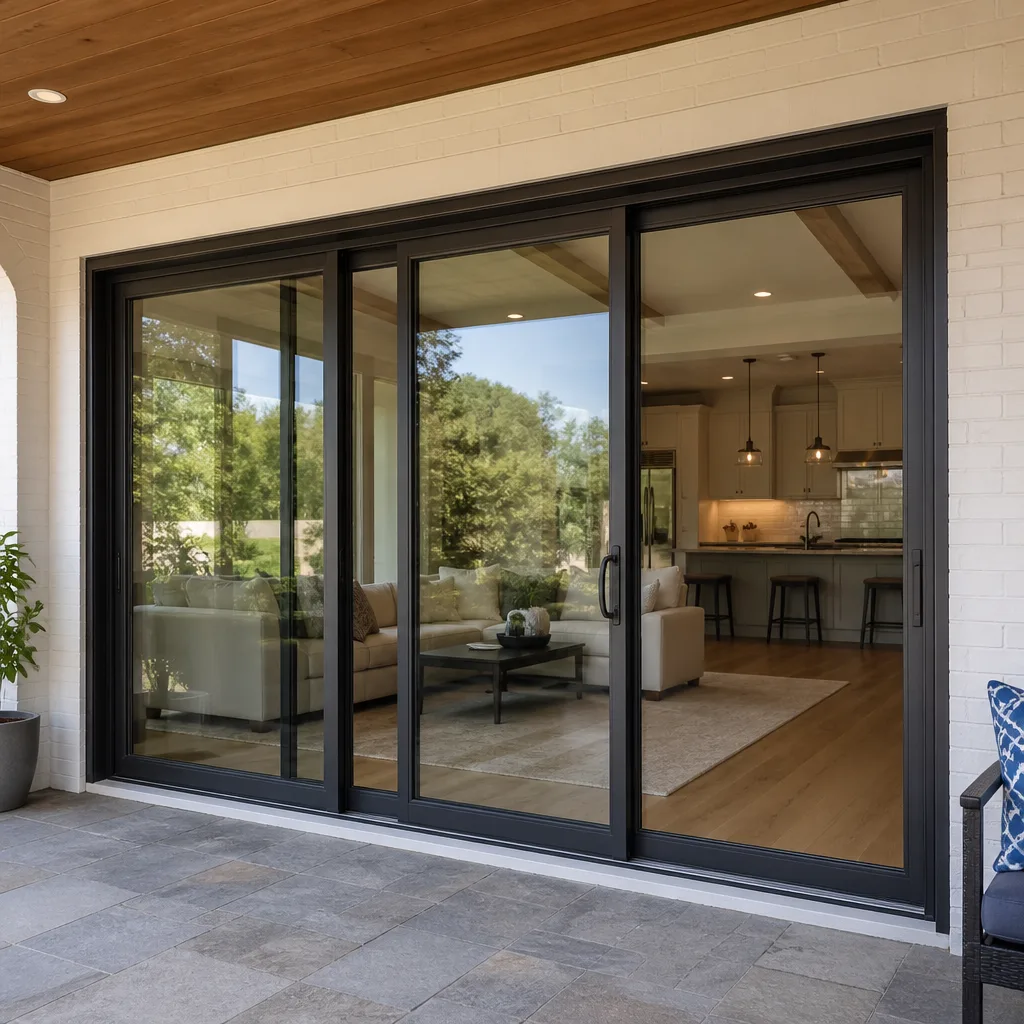 Sliding glass doors
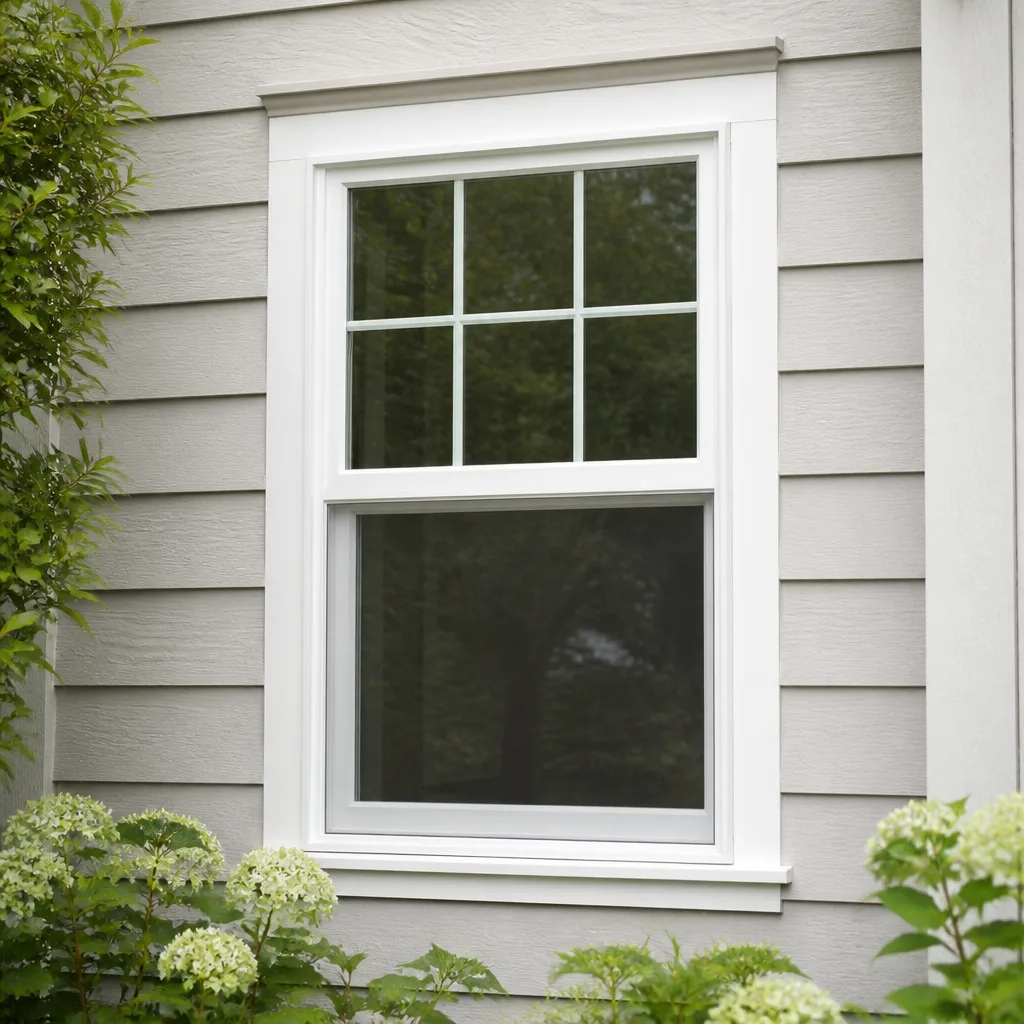 Single hung
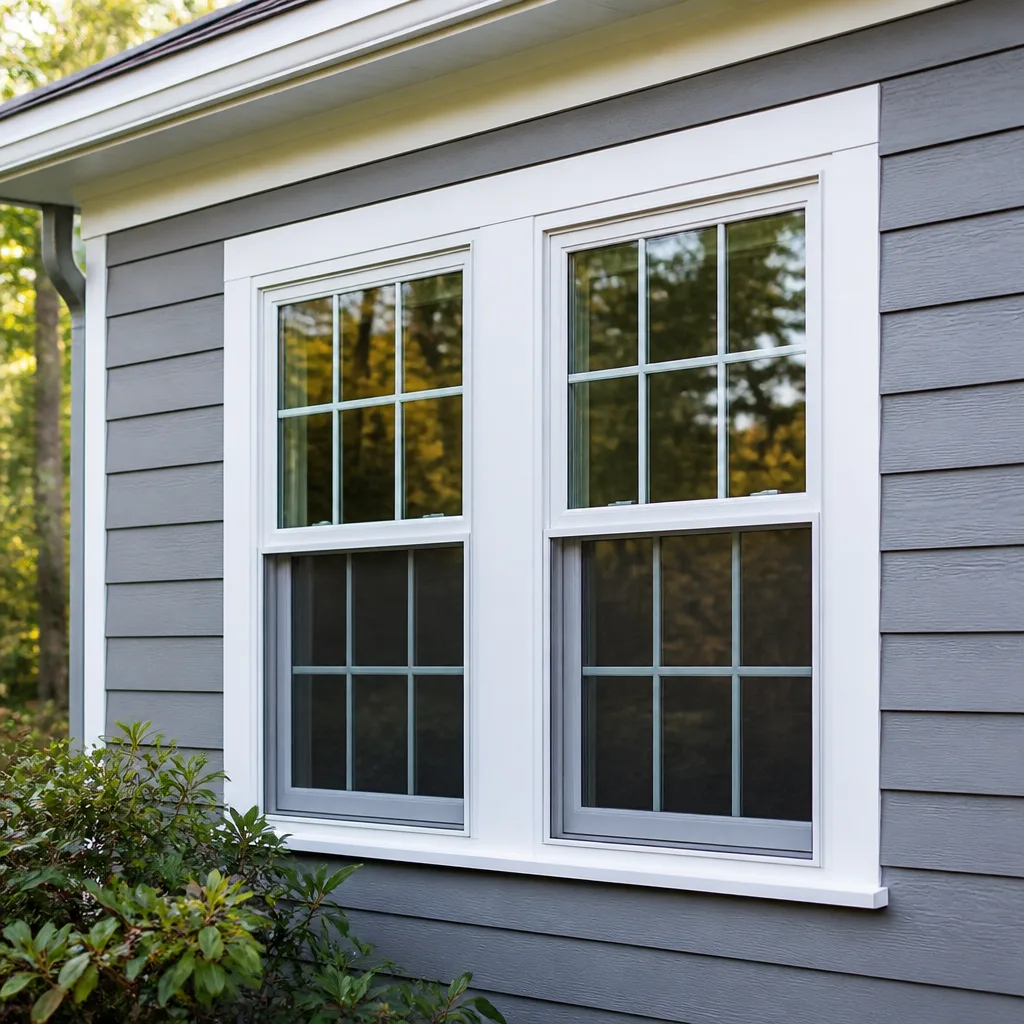 Double hung
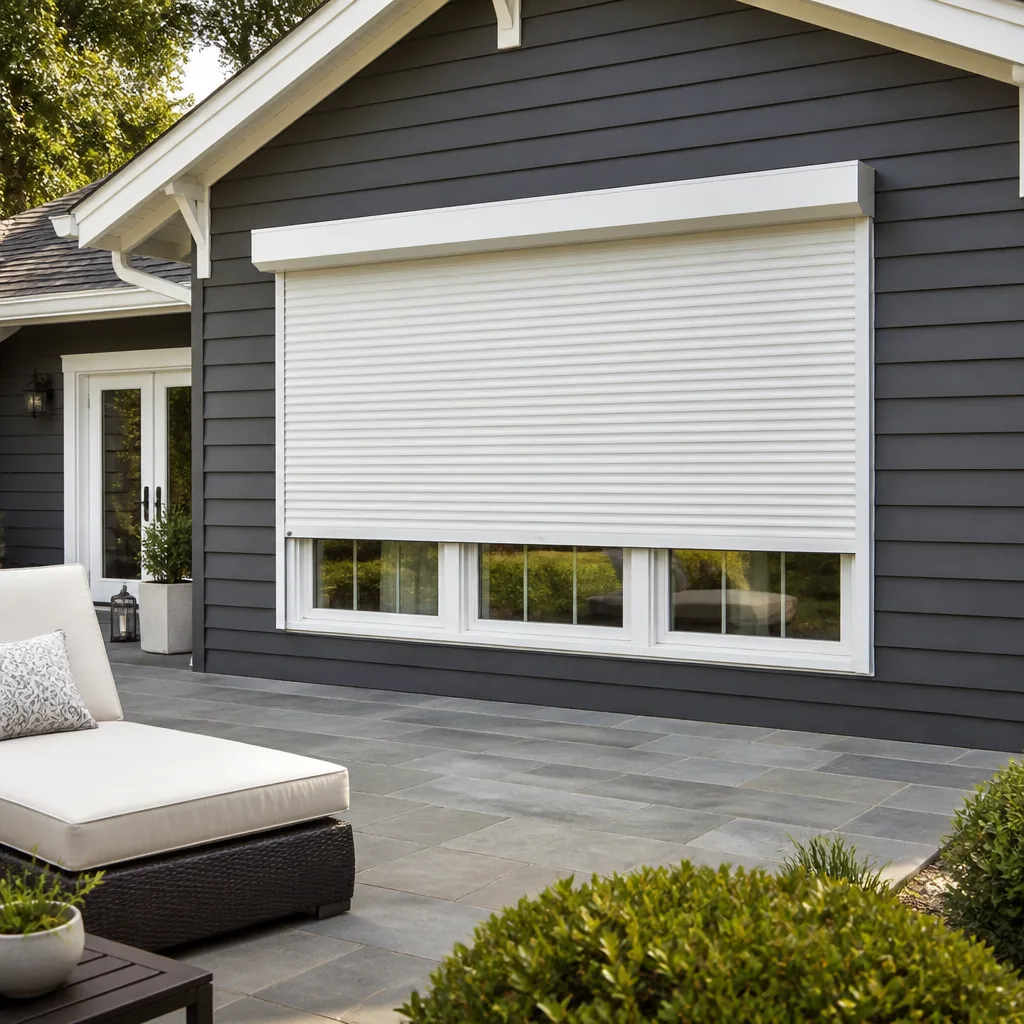 Horizontal roller
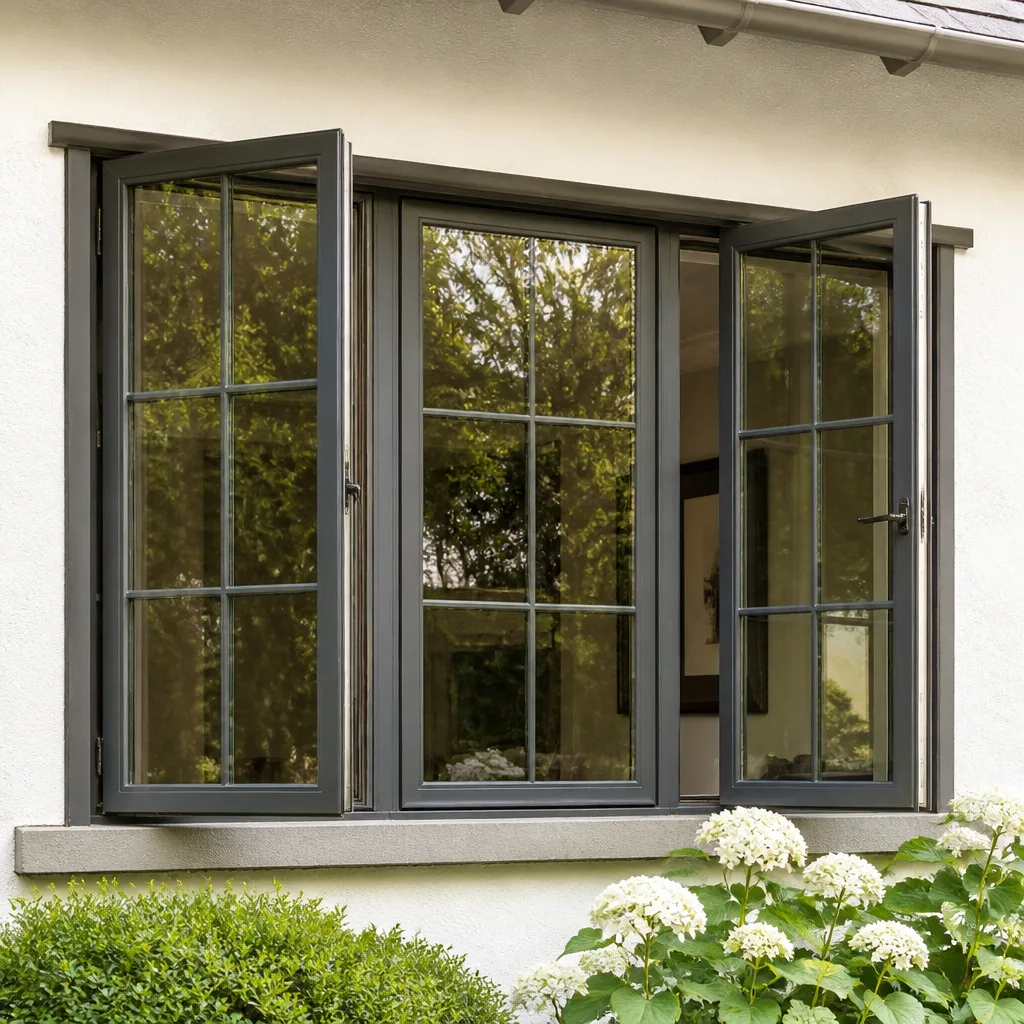 Casement
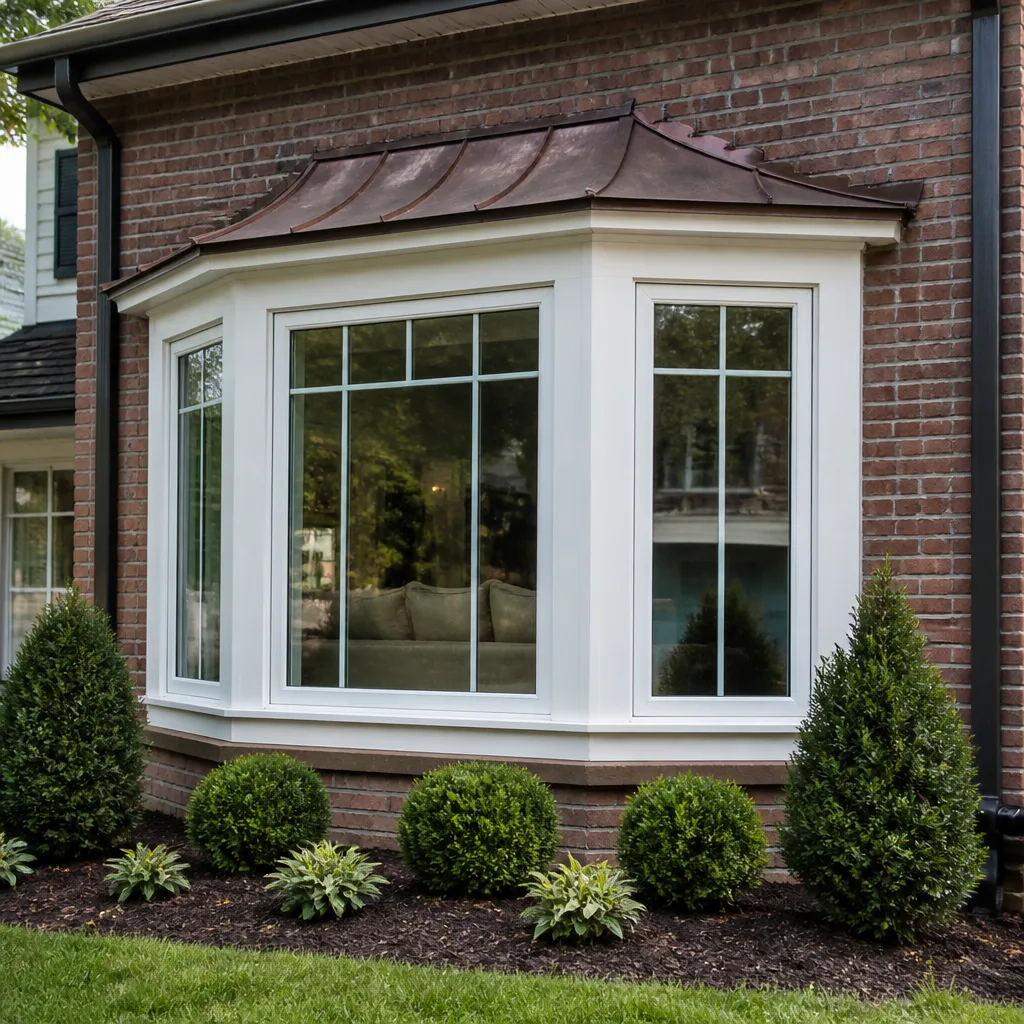 Bay & bow
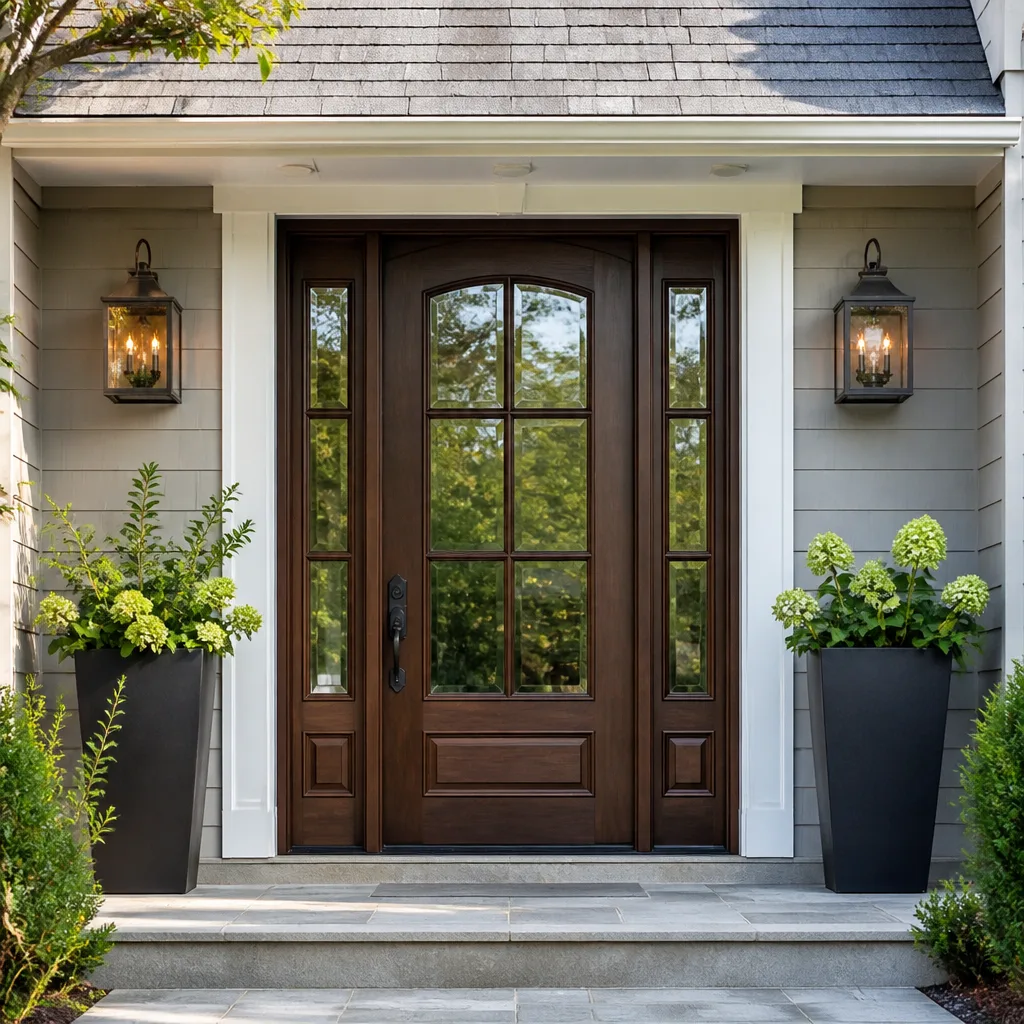 Entry doors
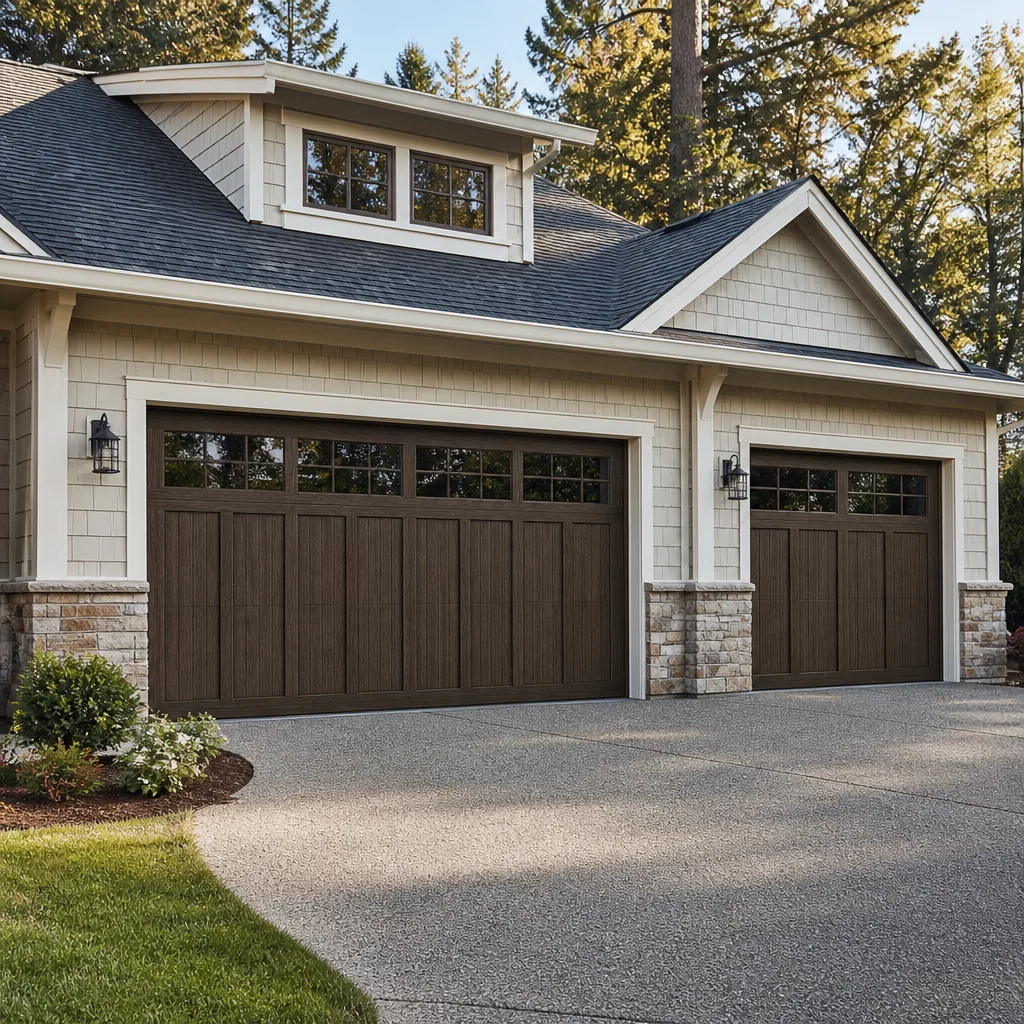 Impact garage doors
 PGT
 CGI
Free in-home measure and quote - PGT, CGI and CWS impact lines compared on your actual openings, style by style
Get your free estimateSeasonal Windows & Doors Care for Everett: Year-Round Homeowner’s Guide
Most homeowners treat window and door care like a quarterly checklist: clean the glass in spring, check the weatherstripping in fall, done. Everett doesn’t work that way. This city gets a long wet season that runs from October into March, a short dry summer, and two narrow transition windows in between where the work you do either protects your investment for the year ahead or gets done on wet wood and fails within a season. The calendar that matters here isn’t four equal quarters. It’s built around the rain. In this guide, we’ll walk through how to time exterior sealing, interior humidity control, hardware checks, and frame-specific care for the weather Everett actually gets, so your windows and doors hold up through another Puget Sound winter.
Quick Answer
In Everett, the single most important window-care task is re-caulking exterior joints during the roughly six-week dry stretch in late August and early September, once summer has dried the wood and before October rain settles in. The rest of the year breaks down into fall prep before sustained rain, interior humidity management through the wet season, summer checks for UV and heat damage on south-facing frames, and storm readiness before Puget Sound wind events. Timing matters more than frequency: doing the right task two weeks late can be worse than skipping it and starting fresh next cycle.
Styles & brands we work with
- Single hung
- Double hung
- Horizontal roller
- Casement
- Bay & bow
- Sliding glass doors
- Entry doors
- Impact garage doors
- PGT
- CGI
Table of Contents
- Why Everett’s Weather Doesn’t Fit a Quarterly Schedule
- Fall Prep: What to Do Before the First Sustained Rain
- Managing Interior Humidity During Everett’s Wet Season
- Summer: UV Exposure and What It Does to South-Facing Frames
- Storm Season Readiness for Puget Sound Wind Events
- How the Calendar Differs by Frame Material
- The Everett Window and Door Calendar, Month by Month
- When Care Becomes Replacement
Why Everett’s Weather Doesn’t Fit a Quarterly Schedule
Everett sits in a corner of the Pacific Northwest where the seasons don’t distribute evenly. The wet season runs from roughly October through March, with the heaviest, most consistent rain arriving late in the year and continuing well into the new one. The dry season is short, usually July through early September, and it’s the only reliable stretch where exterior substrates actually dry out enough to hold a seal. Spring and fall are the “shoulder” seasons in between, and they’re narrow.
The practical consequence is that maintenance timing shifts. A homeowner in a drier climate can re-caulk almost any month the temperature allows. Here, you get a real opportunity window once a year for exterior caulking and sealing work, and it’s short. Caulk applied to damp wood won’t bond. It may look fine for a month, then start pulling away just as the rain picks up. By the time you notice, water has been running behind the frame through the seams.
That’s why this guide is organized around Everett’s actual weather patterns rather than a generic spring-summer-fall-winter structure. The same set of tasks is worth doing, but the order and the deadlines are different. If you’re replacing windows rather than maintaining them, timing your project the same way still makes sense: window replacement in Everett done in the dry stretch gives the installer clean, workable conditions and gives you a season to test the result before the heavy rain starts.
The Two Transition Windows
There are really only two transition periods where exterior work is reliable in Everett:
- Late summer dry window (roughly late August to early September): the best and often only time for exterior caulking, sealant refresh, and any frame repairs that need to cure.
- Early spring dry stretch (roughly late March to April): a second, narrower window for touch-ups, checking what winter did, and spot-sealing anything that pulled loose.
Everything else in the year is either too wet to seal reliably or too hot and dry for certain coatings to cure correctly. We build our own install scheduling around this rhythm because windows and doors set into wet substrates behave differently than ones installed into dry, stable openings. The right window for this house starts with the right conditions on installation day.
Fall Prep: What to Do Before the First Sustained Rain
Fall prep in Everett isn’t about the first frost. It’s about the first sustained rain, which typically arrives in October and marks the point where exterior water pressure on your windows and doors stays constant for months. The prep work should be finished before that line, not after it.
A Fall Checklist That Fits Everett’s Rain Pattern
- Inspect every exterior caulk joint in late August or early September. Look for cracking, pulling away from the frame or wall, and any spot that looks chalky or has shrunk. Mark them and get them addressed while it’s dry.
- Clear weep holes at the bottom of window frames. These small drainage slots let water escape the frame. If they’re plugged with pollen, dirt, or old paint, water backs up inside the frame and works its way into the wall.
- Check door thresholds and sills. Door sills take a lot of rain in this climate. Look for standing water, soft wood, or lifting weatherstripping at the threshold.
- Test the door sweep and weatherstripping on every exterior door. A dollar bill should drag when slid under a closed door. If it slides through easily, the seal has compressed and cold air and moisture are getting past.
- Confirm window locking hardware engages fully. Locking mechanisms pull the sash tight against the weatherstripping. A window that latches but doesn’t compress flush is leaking air even when it looks closed.
- Check gutters and downspouts along window walls. If a downspout dumps water directly against the foundation near a window, that window’s frame gets soaked from below every rainstorm. This is a maintenance issue that shows up as window failure.
The fall checklist is shorter than most people expect, and the reason is that most of the real work belongs to the dry season. Fall prep is verification and cleaning, not sealing. If you find a joint that needs caulk in October, and the rain has already started, we’d rather you wait and do it properly next dry window than apply sealant that will fail in the first hard storm.
Managing Interior Humidity During Everett’s Wet Season
Poorly managed interior humidity causes more window damage in this climate than exterior weather does. During Everett’s wet months, indoor air is warm and holds moisture from cooking, showers, laundry, and just breathing. When that air hits the inner surface of a window, it cools and releases water. Where the water lands determines whether it’s harmless or damaging.
Where Condensation Tells You Something
- Condensation on the room side of the glass: This is usually an interior humidity and airflow problem, not a window problem. The window is doing its job. The fix is ventilation or humidity control.
- Condensation or fogging between panes: This is a failure of the insulated glass seal. The seal has broken, moisture has entered the assembly, and the unit needs to be replaced. No amount of interior humidity control fixes it.
- Condensation on the frame or sill, not the glass: Often a sign of air infiltration or thermal bridging at an older or poorly sealed frame. Worth having checked before the rainy season.
During the wet half of the year, every home in Everett needs to actively move air. That means running the bathroom exhaust fan through showers and for at least twenty minutes afterward, using the range hood when you cook, and opening interior doors or running the furnace fan to circulate. If you have a hygrometer, keep an eye on interior humidity through the fall and winter; when it climbs, the answer is ventilation, not the thermostat. Modern double- and triple-pane units from manufacturers like PGT and CGI are engineered to perform at certain humidity levels, but even a well-sealed window will show room-side condensation when interior air holds too much moisture.
Summer: UV Exposure and What It Does to South-Facing Frames
Everett’s dry summer is short, but the sun angle in July and August sits high enough that south- and west-facing windows get direct UV exposure through the middle of the day, high enough to matter for frames, coatings, and seals. Over several seasons, that exposure shows up as chalking on vinyl, fading on painted wood, and hazing or discoloration on glazing.
UV does two things to a frame worth watching. First, it breaks down surface coatings. Vinyl that still looks bright can be losing plasticizers on a south-facing wall, and painted wood can start to dull or chalk. Second, and more importantly, UV and heat combine to stress the seal around the insulated glass unit. A seal that’s marginal going into summer can fail during it, which is why mid-pane fogging often shows up in September or October rather than in a cold month.
Summer Tasks Worth Doing
- Wash glass on south and west exposures in the morning, when the surface is cool. Cleaning hot glass with cold water can shock it.
- Check for fading or chalking on painted or stained frames and note anything that needs a finish refresh in the early-spring window.
- Look at seals around the insulated panes on the sunniest side of the house. If a pane looks hazy, silvery, or foggy from a certain angle, that’s an early sign the seal has gone.
- Open and close south-facing operable windows fully at least once in summer. Windows closed year-round on hot exposures develop stiff hardware and stretched or compressed seals that need regular re-seating.
If your south-facing windows have failed seals or are showing real signs of end-of-life, replacing them during the dry season makes more sense than waiting until water or heat catch up. Our window replacement work is scheduled around that same weather pattern so the install happens when conditions are most favorable, and you get a full wet season to see how the new units perform before anything else is scheduled.
Storm Season Readiness for Puget Sound Wind Events
Everett gets periodic wind storms during the fall and winter, and they’re the specific weather event that tests whether your windows and doors are properly secured. It’s not the force of sustained wind so much as the gusts, which can pull hard on any window or door that isn’t anchored and sealed correctly. Being ready means having done your hardware and anchoring checks before the storm season starts.
What to Check Before a Wind Event
- Close and lock every operable window and door fully. A window that’s latched but not locked has more play in the frame under gust pressure.
- Check that locking hardware pulls the sash snug. If a sash rattles when closed, the locking mechanism isn’t drawing it tight against the weatherstripping. That means both air leakage and a loose seal under wind.
- Look at the frame anchoring from the interior. Older windows that have shifted, settled, or lost screws at their corners are far more vulnerable in high wind. Any window that feels loose in its opening when you try to move the frame is worth having looked at.
- Test door sweeps and thresholds. Wind-driven rain is the thing door thresholds lose to first. A failed sweep means water running under the door rather than around it.
- Confirm sliding door tracks and panels are aligned. A sliding door that’s dragging or that has visible gaps at the meeting rail is one wind event away from letting in water.
Impact-rated product lines like those from PGT and CGI are engineered for high-wind and storm-exposure conditions, but they still require correct installation and correct anchoring to perform. A well-made impact window in a poorly anchored opening doesn’t behave like one installed the right way. This is where our role as a replacement specialist matters: we handle product selection through finished installation, so accountability for what happens in a wind event stays with one team, not split between a distributor and an installer.
How the Calendar Differs by Frame Material
The annual maintenance calendar in Everett varies meaningfully by what your windows are made of. Vinyl, fiberglass, and wood-clad frames need different tasks at different times of year, and getting the timing right for the material saves you from chasing the same problem every season.
Vinyl Frames
Vinyl is the lowest-maintenance option and holds up well to Everett’s wet climate. The main tasks are annual cleaning (mild soap and water, no abrasive cleaners, which can dull the finish) and a dry-season check of the seams and welds at frame corners. South-facing vinyl is where you’ll see any chalking or discoloration from UV. That’s cosmetic most of the time, but it’s a sign the surface is aging and worth tracking. The best time to inspect and clean exterior vinyl is the late-summer dry window, before the rain returns.
Fiberglass Frames
Fiberglass is stable through temperature swings and doesn’t absorb moisture, which makes it a strong fit for this climate. Maintenance is limited to cleaning and checking that the factory-applied finish hasn’t been scratched or chipped. If it has, touch-up belongs in the dry window so the coating can cure. Fiberglass isn’t going to swell or warp from Everett rain, but it can still have sealing issues at the perimeter joints, so caulk-checking is still part of the fall prep.
Wood-Clad Frames
Wood-clad windows need the most calendar discipline in this climate. The exterior cladding handles rain, but the finish on it, and the joints where cladding meets trim, need re-coating or re-sealing every few years. Skip it and moisture gets behind the cladding. Wood-clad exterior finish work belongs in the dry window, usually late August to mid-September, so the coating or sealant cures before rain. The interior wood face still needs humidity management through the wet months, since dry interior air from a furnace can check and crack solid wood frame faces.
If you’re replacing older wood windows and trying to pick the right material for a house in Everett, this is exactly the kind of conversation we have with homeowners: the product portfolio we install spans vinyl, fiberglass, and clad options across eight brands, including CWS and ES Windows alongside PGT and CGI, so the recommendation gets driven by how the specific opening performs here rather than by what a single distributor happens to stock.
The Everett Window and Door Calendar, Month by Month
Here’s the guide compressed into a working calendar. Dates are approximate because weather in this corner of the state shifts year to year, but the sequence is reliable.
Late August to Early September: The Critical Exterior Window
- Re-caulk exterior joints at frames, sills, and trim
- Inspect and reseal any wood trim around windows and doors
- Clean weep holes and confirm they drain
- Wash south and west glass in the morning
- If a replacement project is planned, this is the best stretch of the year to schedule it
October to November: Rain Arrives, Shift Focus Indoors
- Do not plan exterior caulking work
- Set up interior humidity management: bathroom exhaust, kitchen hood, circulation
- Check door sweeps and weatherstripping for the season
- Confirm window locks pull sashes tight
December to February: The Deep Wet Season
- Watch for interior condensation and address with ventilation
- Monitor for any water intrusion at frames or thresholds
- After wind events, walk the house and check for drafts or looseness at operable windows and doors
March to April: The Spring Check Window
- A second, shorter dry stretch for touch-ups
- Refresh finish on wood-clad and painted frames
- Check what winter did: any pulled caulk, any soft sills, any hardware that worked loose
May to July: The Slow Build to Summer
- Operate every window and door fully to keep hardware from stiffening
- Clean tracks and sliding hardware
- Watch south and west exposures for early signs of seal failure
If a window or door is due for replacement rather than maintenance, our window installation work fits this calendar directly. A project scheduled in the late-summer dry window or the early-spring check stretch gives you the same weather advantages as maintenance work does: dry substrate, reliable curing, and a full wet season to watch the result.
When Care Becomes Replacement
Maintenance protects a healthy window or door for many years. It can’t rescue one that’s structurally past its service life. In this climate, the signs that replacement has overtaken maintenance fall into a short, practical list.
Signs Replacement Is the Right Call
- Fogging between panes: the insulated glass seal has failed. Cleaning and caulking won’t fix a failed seal, and the unit will keep getting hazier.
- Persistent water intrusion at a frame in the wet season: if a frame leaks even after proper caulking and attention to sills and weep holes, the problem is likely structural, not a sealing issue.
- Soft or rotting wood at sills or frame corners: the frame is compromised, and there’s no seal that will bring it back.
- Air infiltration you can feel: drafts around a closed and locked window are a sign of frame or weatherstripping failure, not just a tired seal.
- Hardware that no longer pulls sashes tight: in older units, worn or broken locking mechanisms are often a sign of general end-of-life rather than a simple swap.
If you’re at that point, the replacement itself should follow the same weather logic. Sliding doors in particular are a service many general window companies treat as an afterthought; the track, sill and anchoring details take more care than a fixed window does, and timing the install to the dry window protects the seal around the door for the first season. Our door replacement and sliding door work runs on the same calendar for the same reasons.
Common Mistakes to Avoid
- Caulking in the rain or on a damp substrate. Sealant won’t bond to wet wood, which means the joint fails during the first hard storm rather than holding through the winter. Wait for the late-summer dry window or the spring check window instead.
- Treating room-side condensation as a window defect. In an Everett wet season, room-side condensation is nearly always an interior humidity and airflow problem. Addressing ventilation is the real fix; calling a window company first usually doesn’t solve it.
- Ignoring the weep holes. These small drainage slots at the bottom of window frames are easy to overlook during fall cleanup. When they’re plugged, water pools inside the frame and works its way into the wall.
- Using abrasive cleaners on vinyl frames. This strips the finish and speeds up the UV chalking that shows up on south-facing walls in the summer. Mild soap and water is all that’s needed.
- Skipping the pre-storm hardware check. A window that latches but doesn’t lock has more play in the frame under wind pressure. Testing every lock before the wind season is a five-minute task that prevents a much bigger one.
- Doing a replacement project in the worst part of the year. A window replacement scheduled in the middle of the wet season means working around rain, prolonging the cure time on exterior seals, and testing the new install under the most punishing conditions of the year. The right window for this house deserves the right install window, too.
- Assuming a seal failure can be sealed over. Fogged glass means the insulated unit’s seal is gone. No exterior treatment restores it. Planning the replacement during the dry window is the practical move.
See the difference
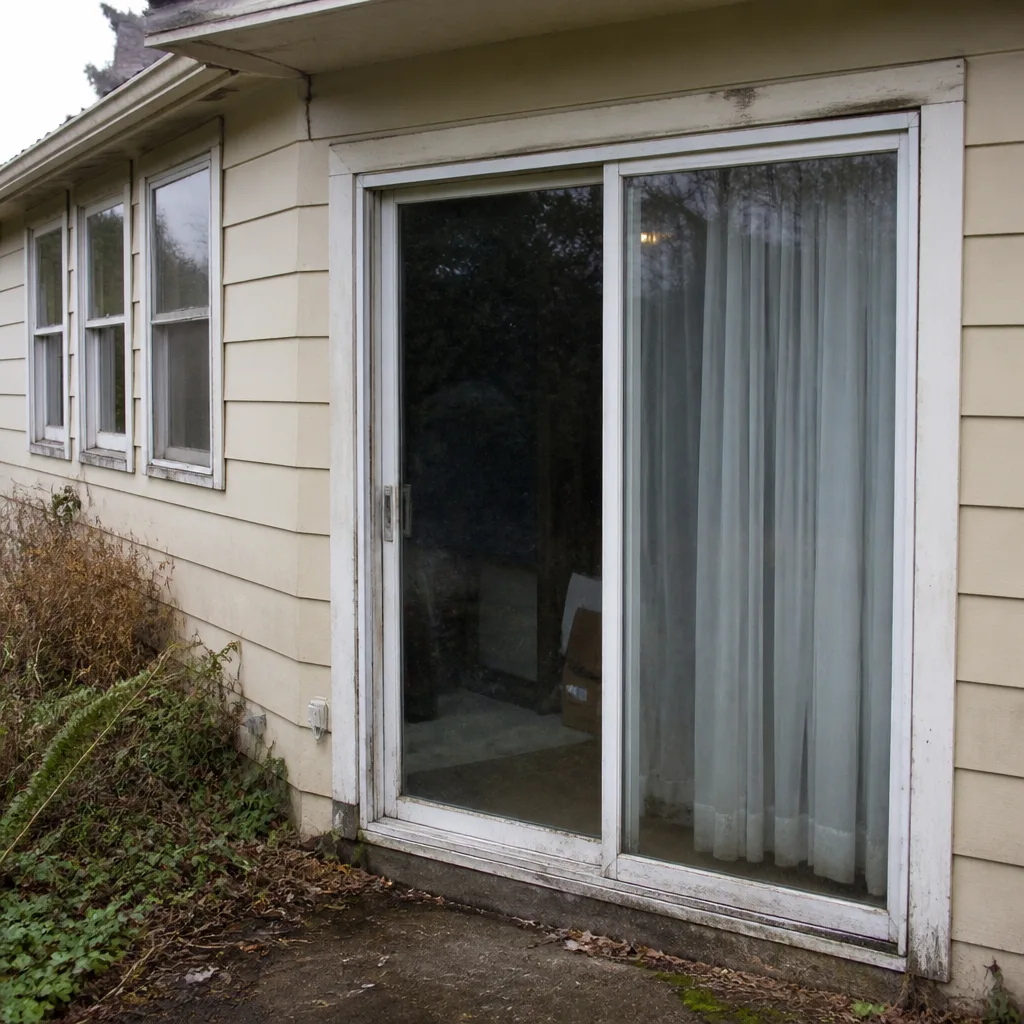 Before
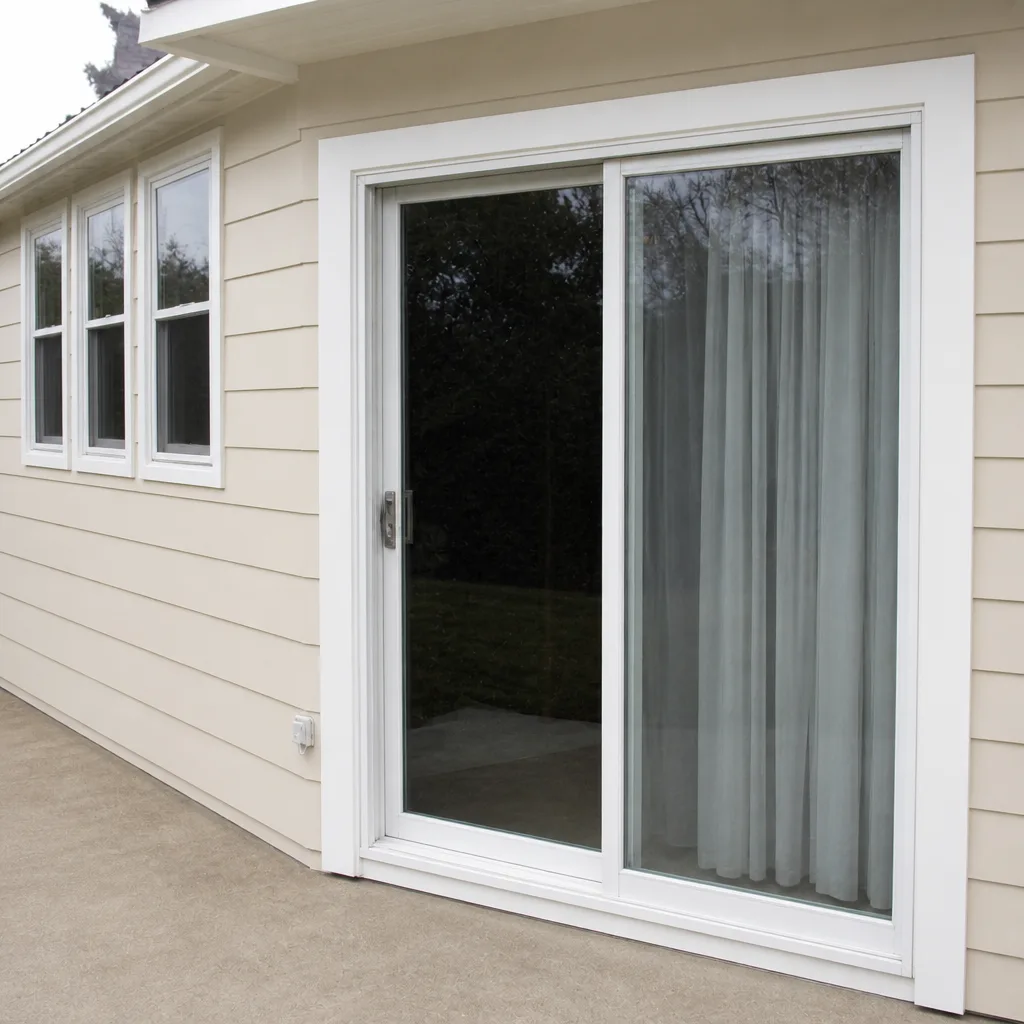 After
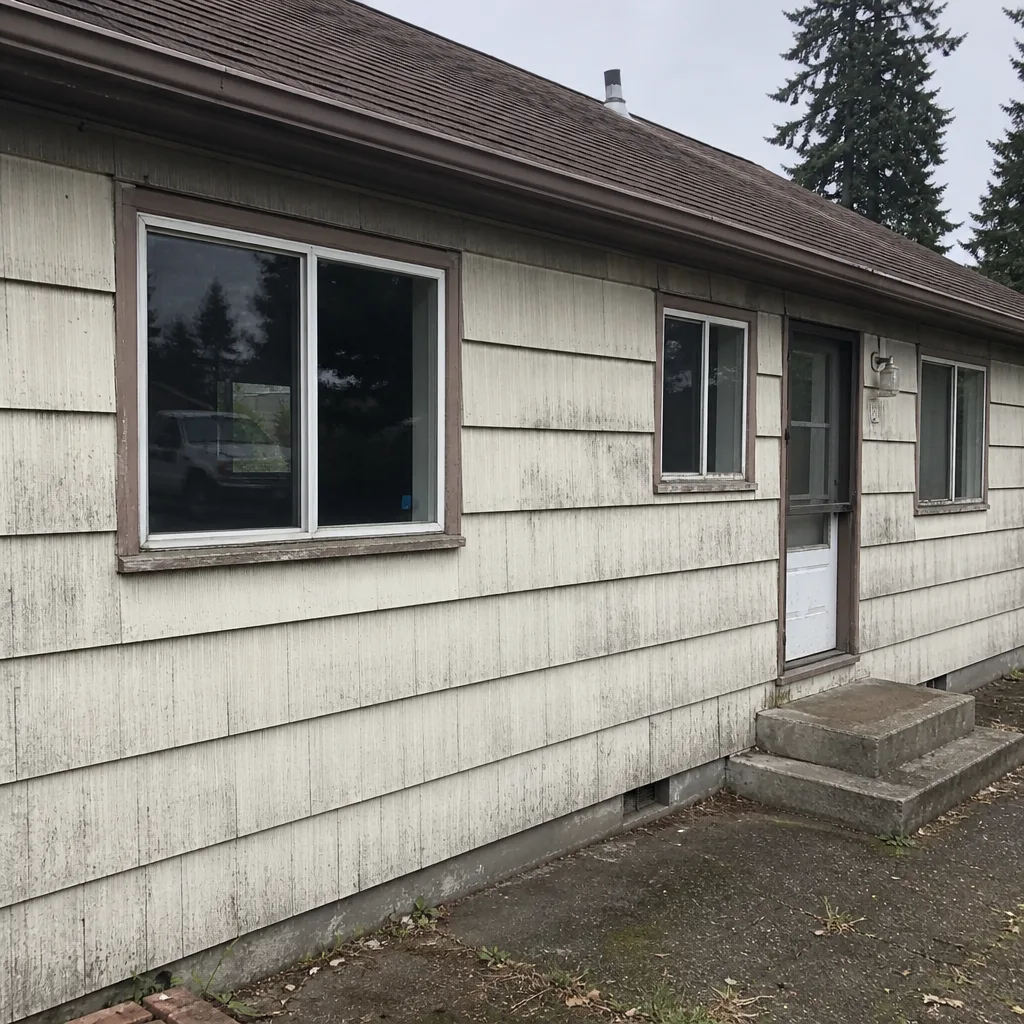 Before
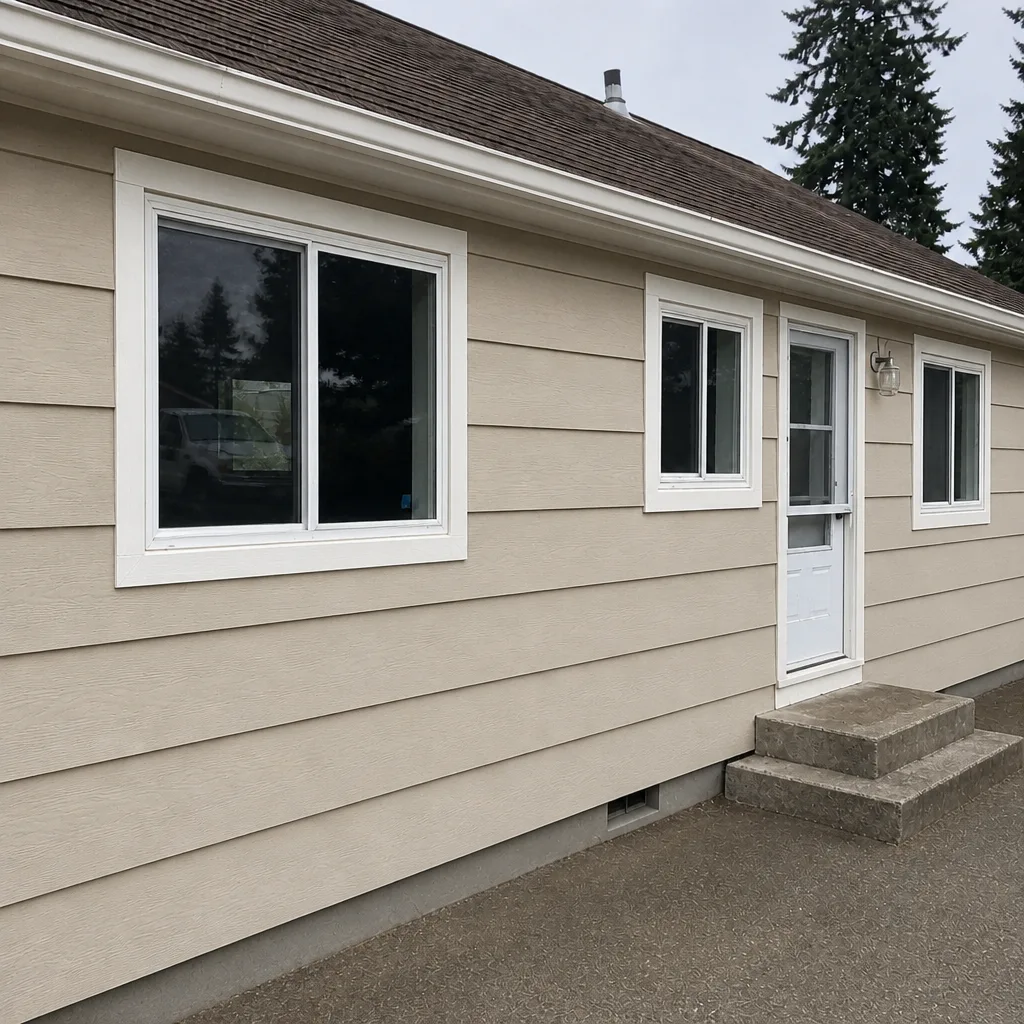 After
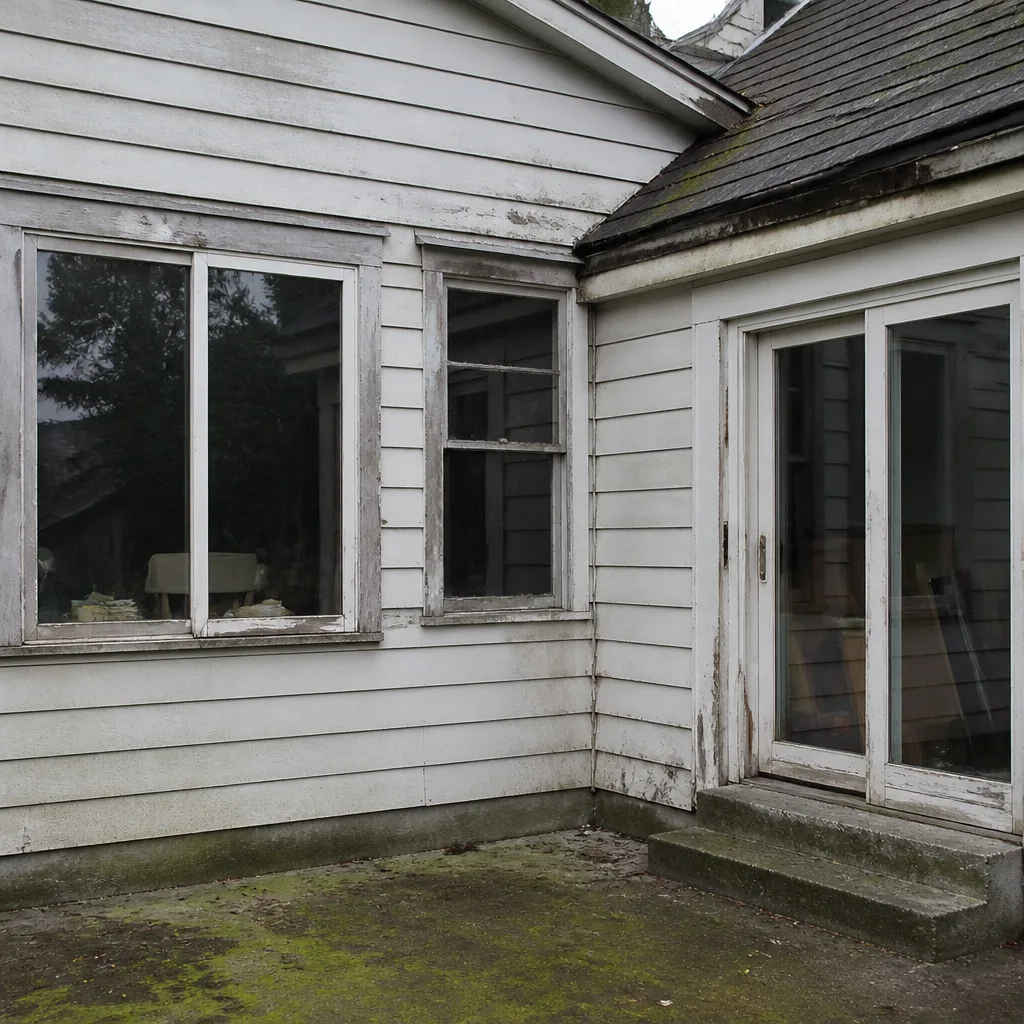 Before
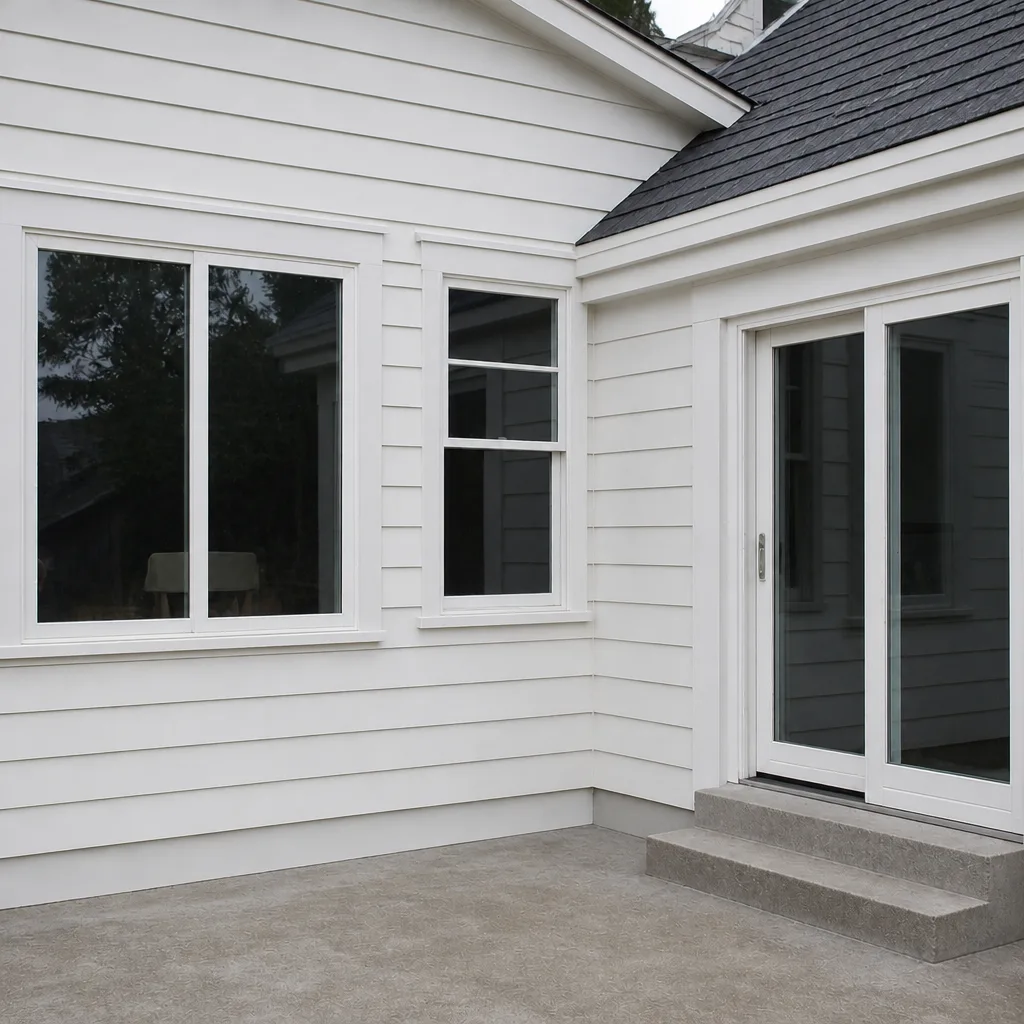 After
When to Call a Professional
Call a replacement specialist when the problem is beyond what maintenance can address. If your window or door is fogging between panes, leaking through the frame despite proper caulking, soft at the sill or frame corners, or so loose under wind that it rattles and drafts when closed and locked, that’s the moment to bring someone out. The same applies when a sliding door drags, misaligns, or shows gaps at the meeting rail that no adjustment repairs. Our technicians have up to 9 years of experience handling exactly these situations in this climate, and our work spans installation and replacement across the full exterior opening, so you’re not coordinating a window installer and a door installer separately. Window Replacement Everett offers free estimates in Everett. Call (425) 521-6663 to schedule yours.
Frequently Asked Questions
Late August through early September is the best time to re-caulk windows in Everett. That stretch follows the dry summer, so the exterior wood has had weeks to dry out and will hold a seal properly, and it comes before October rain arrives. Miss it, and you’re either caulking damp substrate in the rain (which fails) or waiting for the narrow spring window in late March or April. If you’re not sure where your caulk joints stand, call (425) 521-6663 and we’ll walk you through what to check before the rain season.
Interior condensation in Everett winters almost always comes from elevated indoor humidity meeting cooler glass, and the fix is ventilation, not a new window. Run bathroom exhaust fans through showers and afterward, use the range hood when cooking, and keep air moving with interior doors open or the furnace fan on. Condensation between the panes is a different story: that means the insulated glass seal has failed, and the unit needs replacement. If you’re seeing mid-pane fogging, call (425) 521-6663 to talk through your options.
Before a wind event, make sure every operable window and exterior door is fully closed and locked, test that each lock pulls the sash or door snug against its weatherstripping, and check that door sweeps and thresholds are sealing. Interior-side inspection of frame anchoring is worth doing once a season for older windows. If you find windows that rattle or feel loose in their openings when closed and locked, that’s a sign to have them looked at professionally. Call (425) 521-6663 for a free assessment before the next storm season.
Yes. Vinyl and fiberglass need less yearly work in Everett’s wet climate than wood-clad does; the main tasks are cleaning, caulk checks in the dry window, and watching south-facing finishes for UV chalking. Wood-clad windows need the most calendar discipline because the exterior finish on the cladding has to be maintained every few years, and that work belongs in the late-summer dry window so it cures before rain. The right choice depends on the opening and the house. We’ll help you match the product to both. Call (425) 521-6663 for a free estimate.
Maintenance handles air infiltration at seals, worn weatherstripping, tired hardware, weathered caulk, and finish touch-ups. Replacement is the better answer when the glass is fogging between the panes, when water is getting into a frame despite proper caulking and weep hole attention, when wood at the sill or frame corners feels soft, or when a locked window still drafts noticeably. If you’re not sure which category yours falls into, a free estimate is the fastest way to get a clear answer. Call (425) 521-6663.
Yes, the late-summer dry window in late August to early September is the best time to schedule window and door replacement in Everett. Dry conditions give exterior seals and coatings a proper chance to cure before the rain returns, and the same logic applies to the narrower spring stretch in late March to April. Replacement projects are handled by our team as a scheduled job, with the product selection, installation, and finished exterior accounted for from start to finish. Call (425) 521-6663 for a free estimate.
The Bottom Line
Everett’s weather rewards a calendar, not a checklist. The single critical task is exterior sealing in the late-summer dry window, before October rain starts. Fall is for verification and cleaning, and for setting up interior humidity management. The wet season is about ventilation and watching for water intrusion, not caulking. Summer is for UV checks on south and west exposures. Spring is a second, shorter window for touch-ups. And if your windows or doors are past what maintenance can hold, replacement belongs on the same calendar, because the right product installed in the right conditions lasts longer than either one on its own.
If your windows or doors need an honest assessment before the next weather window closes, we offer free estimates across Everett and the surrounding area. Door replacement and sliding door work run on the same seasonal calendar, so whether you’re planning a full exterior envelope project or just one opening that’s shown its age, we can help you match the product to the house and schedule the work for the conditions. Call Window Replacement Everett at (425) 521-6663 to schedule your free estimate.
Written by the team at Window Replacement Everett.