Last updated November 25, 2026
 Sliding glass doors
 Single hung
 Double hung
 Horizontal roller
 Casement
 Bay & bow
 Entry doors
 Impact garage doors
 PGT
 CGI
Free in-home measure and quote - PGT, CGI and CWS impact lines compared on your actual openings, style by style
Get your free estimateWindows & Doors Warning Signs: An Everett Homeowner’s Reference Guide
Foggy glass between panes is the warning sign everyone knows. But the seal failure that causes it usually started 18 to 24 months earlier, as a faint condensation ring around the edge of the glass that most homeowners dismiss as normal. By the time the fog is obvious, that insulated unit is already past saving. The window you could have watched, budgeted for, and replaced on your own schedule has become an unplanned purchase. This guide maps the warning signs in the order they actually show up, from the barely visible early signals to the end-stage problems you can’t miss, and explains what each one costs you in Everett if it goes unaddressed.
Quick Answer
In Everett, the most important windows and doors warning signs are progressive, not sudden: interior glass fogging, condensation between panes, drafts you can feel along a sash or frame, sash that won’t stay up on double-hung windows, sticking doors, and gaps or softness at the frame. The earliest of these appear years before a window or door fails outright, which is exactly when a professional inspection is cheapest and the replacement decision is still yours to schedule.
Styles & brands we work with
- Single hung
- Double hung
- Horizontal roller
- Casement
- Bay & bow
- Sliding glass doors
- Entry doors
- Impact garage doors
- PGT
- CGI
Table of Contents
- The Early Warning Signs Most Everett Homeowners Miss
- How Warning Signs Differ by Window and Door Type
- Condensation: Installation Error vs. Product Failure vs. Humidity
- Door Warning Signs and Everett’s Settlement Patterns
- Using Your Energy Bill as a Diagnostic Tool
- Warranty Coverage: Who Pays for What
- How to Document a Problem Before You Call
- What the Right Replacement Looks Like in Everett
The Early Warning Signs Most Everett Homeowners Miss
Most warning-sign guides describe the end of the story: a window that’s fogged shut, an entry door you can see daylight under. The costly part is the middle. Windows and doors fail in a predictable order, and the earliest signals appear roughly 2 to 4 years before the unit stops doing its job. Catching a window at the early stage means a lower-cost fix or a smarter replacement decision. Ignoring it usually means paying for the same problem on a compressed timeline, in the middle of a cold snap when you’d rather not be photographing gaps in a wall.
Here’s the sequence by cost consequence, from cheapest to act on to most expensive to ignore:
- Barely visible edge condensation. A thin ring of moisture along the inside border of the glass, usually on cold mornings. Often the very first sign of a seal beginning to fail.
- Faint interior fogging at the corners. The first stage of an insulated glass unit losing its gas fill. Still early.
- Drafts at the sash or frame edges. Often a weatherstripping or hardware problem at this point, not necessarily a failing unit.
- Difficulty operating the window. Stiff cranks, sashes that won’t slide, locks that don’t engage cleanly. Wear is starting to show.
- Visible frame cracks, gaps, or soft spots. The problem has moved from the glass or hardware into the frame itself.
- Full fogging, water intrusion, or a window that won’t close. End stage. Replacement, not repair.
In Everett, the tell is timing. Our wet, cool winters push condensation issues into view earlier than a dry climate would, so the “edge ring” stage tends to show up quickly here. If your windows fog on cold mornings and clear by afternoon, that’s a signal to start watching, not a call to panic. If it doesn’t clear, the seal has likely gone.
How Warning Signs Differ by Window and Door Type
Windows don’t all fail the same way. The weak point on a casement is the hardware. On a double-hung, it’s the balance system. On a sliding door, it’s the track and the rollers. If you know which part carries the wear on your particular unit, you’ll spot the trouble earlier than a homeowner who’s only looking for foggy glass.
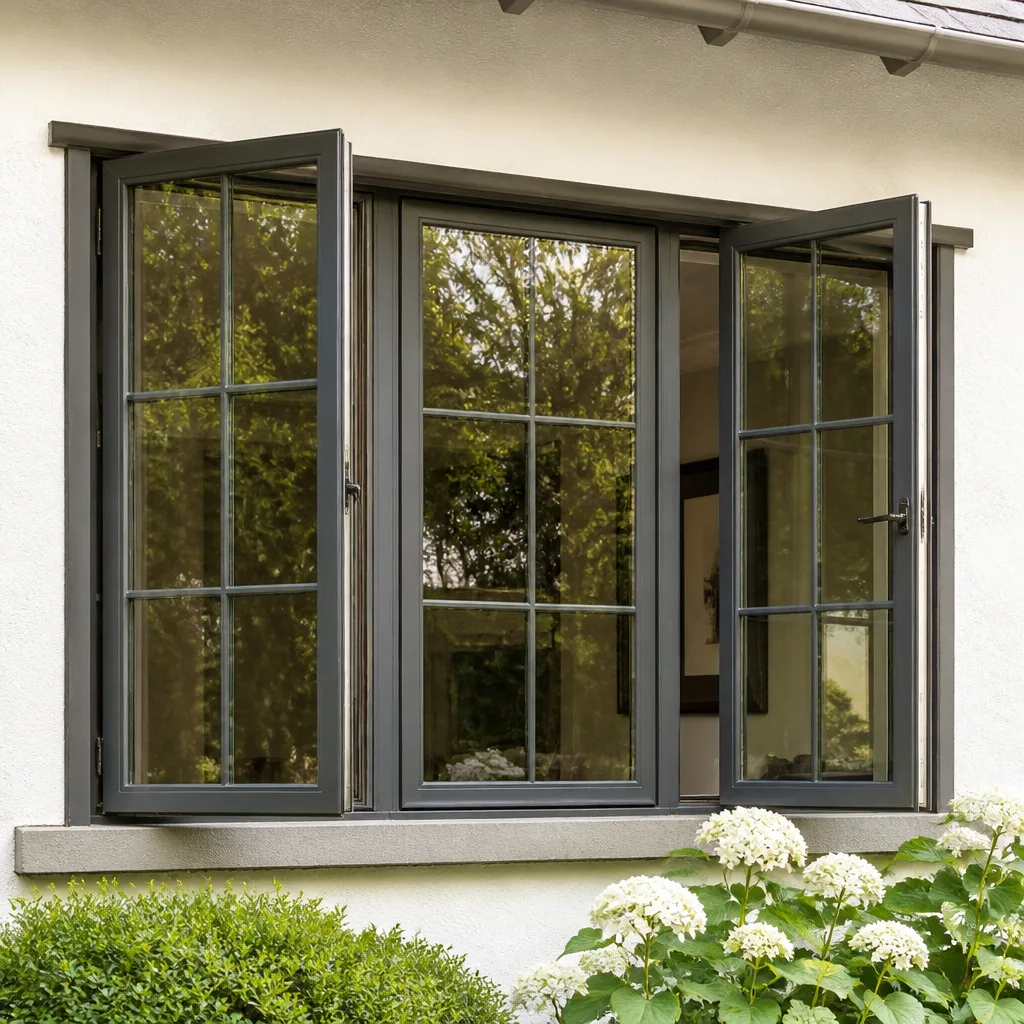
- Casement windows: The hand crank starts to feel stiff or gritty. The sash may not pull tight against the frame when you close it. The locking mechanism may need extra pressure to engage. Crank wear is usually the first sign a casement is asking for attention.
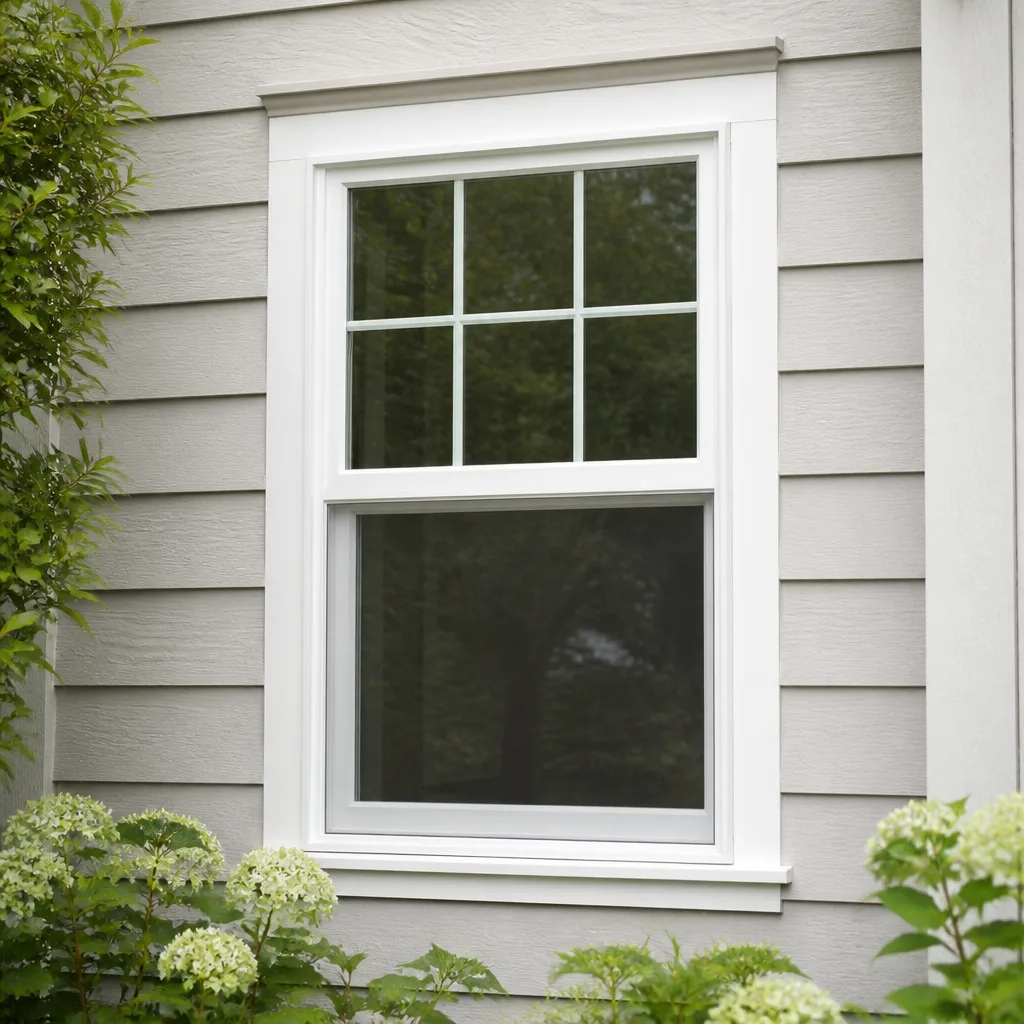
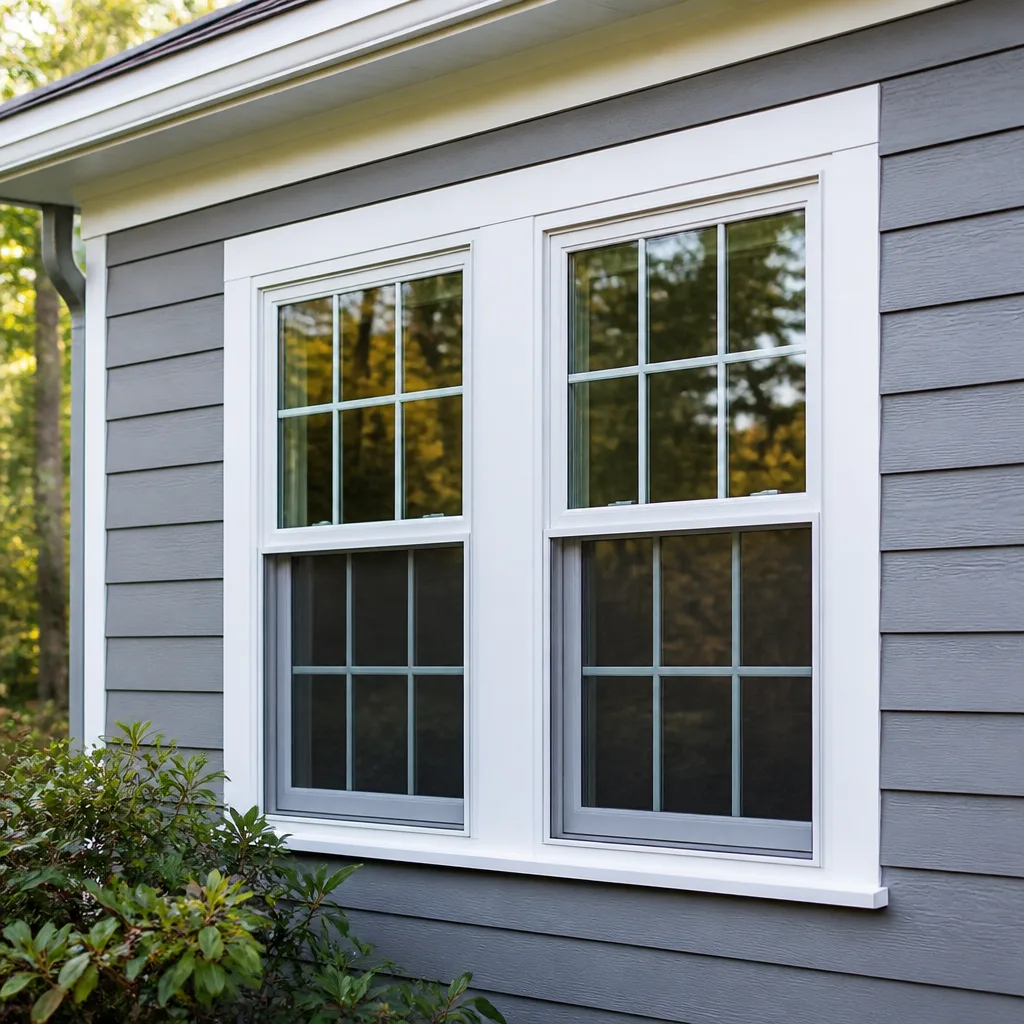
- Double-hung windows: A sash that won’t stay raised is the classic balance-failure signal. Tilt-latch wear, sashes that rattle in the frame, and difficulty sliding are often the early signs before the balance fails outright.
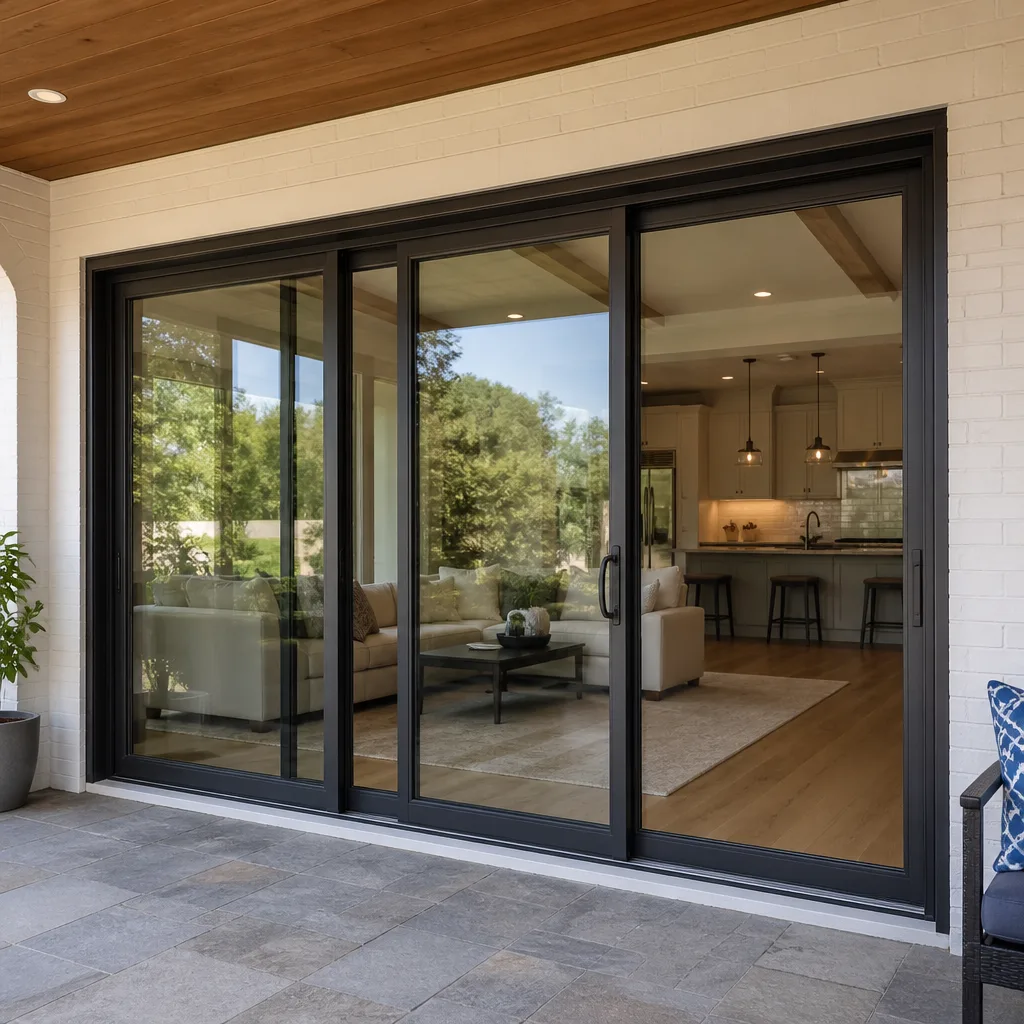
- Sliding doors: Track wear shows up first, usually as a door that drags, a piece of metal that’s worn smooth, or a hard pull that’s become a shove. Roller wear follows, and eventually the door starts sitting lower on one side.
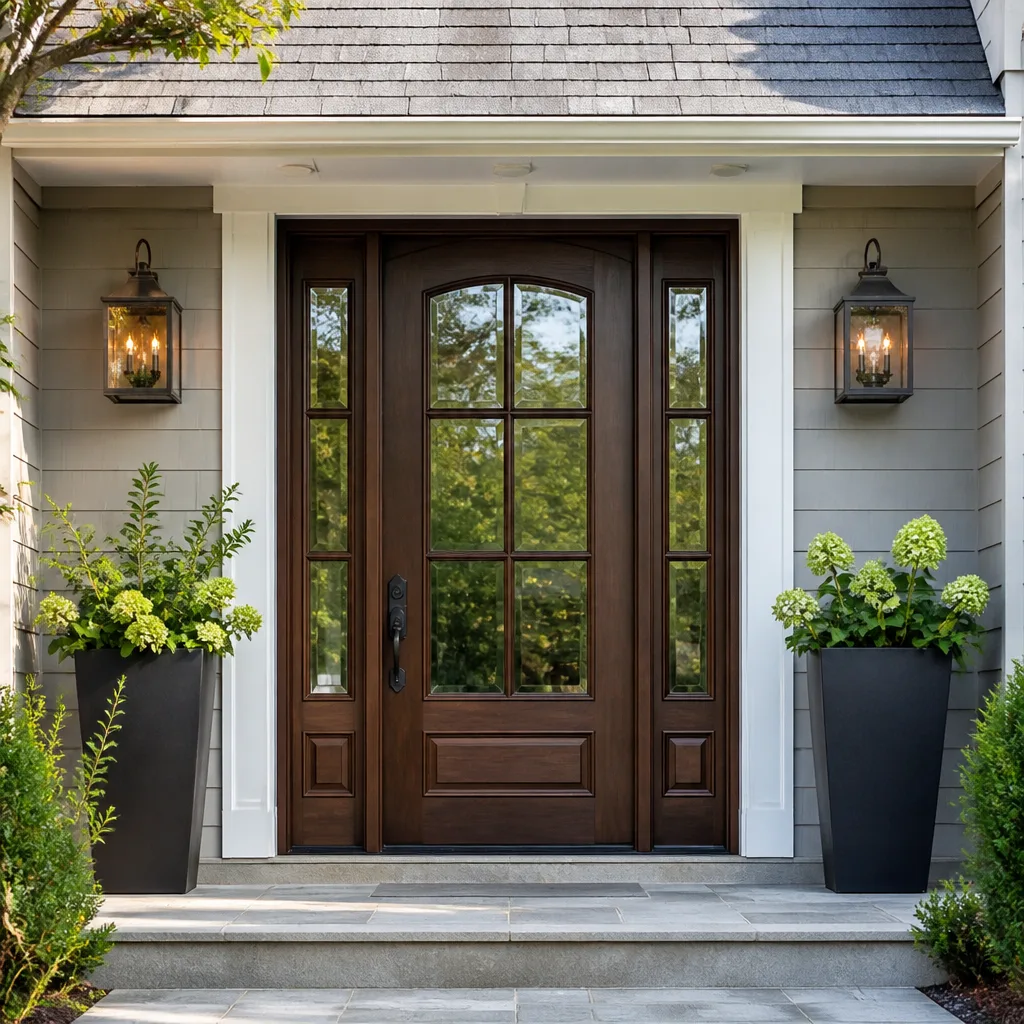
- Entry doors: A door that used to close with a click now needs a lift. Weatherstripping wears out, the strike plate stops lining up cleanly, and the seal at the bottom may develop a gap. Like a sliding door, entry doors are a category all their own, which is why we treat door replacement as a distinct service rather than an add-on.
The practical takeaway: hand-crank wear is cheap to spot early and expensive to ignore. A balance system that’s failed makes the window unusable at night or in a winter storm, and it often signals that the frame is absorbing stress it wasn’t designed for. Sliding door track wear is the same story, and it’s a service many window companies treat as an afterthought. We don’t. A sliding door has to slide, seal, and lock, and each of those functions wears on a different component.
Condensation: Installation Error vs. Product Failure vs. Humidity
Not all condensation means the same thing, and treating it as one problem leads homeowners to the wrong conclusion. There are three distinct causes, and the fix is different for each. Getting this right is one of the most valuable diagnostic skills an Everett homeowner can pick up.
Indoor humidity. Moisture on the inside of the glass (the room side) that clears as the day warms is a humidity issue, not a window failure. Cooking, showers, laundry, and a tight house all push indoor moisture onto cold glass. A bathroom fan, a kitchen vent, and a little ventilation do more than any new window would.
Product failure. Moisture or fog between the panes of an insulated glass unit cannot be wiped off from either side. That’s a seal failure, and it’s a product issue. The insulated unit has lost its gas fill. Once that happens, the insulating performance is gone and the glass will only get worse.
Installation error. Moisture on the exterior or interior frame, especially pooled at the sill or running down the wall, points to a gaps, flashing, or sealing problem around the opening. The product can be fine and the install wrong. This one matters most because an install problem repeated on a replacement window becomes a new install problem to fix.
We install what we recommend, and that’s exactly why this distinction matters to us. A window that was set correctly in a properly flashed opening behaves very differently from one that wasn’t, and the warning signs on the frame tell you which you have. If you’re seeing condensation only on one window in the house while every other pane is clear, start with that window’s frame seal, not its glass. If it’s between the panes, it’s the unit.
Our sense of it: if you can wipe it, watch it. If you can’t wipe it, plan for it.
Door Warning Signs and Everett’s Settlement Patterns
Everett homes tell a story through their doors, and a sticking door is the clearest chapter. A door that sticks, won’t latch, or has developed a gap at the top or side corner is often a settlement signal, not a hardware problem. But not every sticky door is settling, and treating them the same way is how homeowners end up replacing hardware that was never the issue.
Here’s how to tell the two apart:
- Differential settlement: The gap at the top of the door is even on one side but not the other, or you can see the door swing binding at one corner. The frame itself has moved or shifted.
- Hardware problem: The door body sits square in the opening, but the hinges stick, the latch won’t engage, or the strike plate is worn. A hardware fix, not a frame fix.
- Weatherstripping wear: The door sits correctly but the seal doesn’t. You feel a draft along one edge, or the door rattles when the wind picks up.
- Sill or threshold issue: The bottom gap is uneven, water collects at the threshold, or the door drags on the sill itself.
Everett’s mix of older housing stock and newer construction produces this kind of differential settling differently: older homes tend to show it at the frame as the structure moves over time, while newer homes occasionally show it in the first years as the building settles into place. Either way, a door that’s binding at one corner is telling you the frame has moved, and an entry door replacement has to address that movement, not just the door itself.
The bottom line on doors: a sticky latch is usually a hardware fix; a door that binds at one corner is usually a frame issue. Have it checked before you assume it’s a small job.
Using Your Energy Bill as a Diagnostic Tool
Your energy bill is one of the most reliable warning signs you have, and most homeowners read it as a number to pay rather than a signal about the house. In a typical Everett home, an increase of roughly 15 to 20 percent over the same month a year earlier, with no change in use, warrants a window inspection. An increase of 25 percent or more, especially in the winter heating months, moves windows and doors onto your short list.
Why the year-over-year comparison? Because an Everett winter is wet and mild, and summer cooling is minor. That makes the heating season the most revealing stretch on an energy bill. A normal winter reads roughly the same number month to month, compared with the same month a year earlier. A window losing its seal or a door losing its seal shows up as a steady, unexplained creep upward, hidden inside the weather.
Two cautions. First, a single cold month can distort the comparison, so use same-month comparisons and a two-month trend rather than one bill. Second, an energy bill is a flag, not a diagnosis. It tells you something in the envelope has changed; a professional inspection tells you whether it’s the windows, the doors, the attic, or something else. What it does very well is catch the mid-stage problem you’d otherwise miss, because the failed unit is still operating and quiet about it.
Warranty Coverage: Who Pays for What
When something goes wrong, the first question is always who pays. The answer depends on whether the problem is an installation defect or a product defect, and those two live on different warranties. Knowing the difference before you call saves time and often saves money.
- Installation warranty: Covers how the window or door was set: flashing, sealing, the frame-to-wall connection, and the workmanship behind it. These cover the install, not the glass.
- Product warranty: Covers the unit itself: glass seal failures, hardware defects, and manufacturing issues. These cover the product, not the install.
The overlap matters. A draft at the frame could be a seal failure on the unit or a gap in the install behind the frame. The warranty that responds depends on which one is true, and the only way to know is to look at the frame itself. That’s why our first step on any suspected problem is to inspect the frame, not the glass.
One warning sign under each of the two main warranties:
- Install-related (frame gaps, water intrusion along the wall, drafts at the frame edge): likely an installation warranty issue.
- Product-related (fogging between the panes, cracked glass, failed cranks or balances): likely a product warranty issue.
Document both. A photo of the frame gap and a photo of the fogged pane give the manufacturer and the installer something to work with. And keep the original paperwork, even if it’s years old, since a warranty with no record behind it can turn into a conversation neither side wants.
How to Document a Problem Before You Call
Whether you’re calling for a free estimate or a warranty claim, the same documentation makes the conversation shorter and the outcome cleaner. Here’s the sequence we recommend, in order:
- Photograph the issue from both sides. Inside the room and outside the wall. Take a close-up and a wide shot.
- Photograph the frame and the glass separately. They point to different causes, as above.
- Note when it happens. Cold mornings, after rain, or only when the house is sealed up. Timing narrows the cause quickly.
- Compare panes. Note whether the problem is on one window or several, and whether the affected window faces a particular direction.
- Pull the original paperwork, if you have it. A warranty repair needs the original record.
- Get a professional inspection before assuming the worst. A fogged pane is a replacement; a drafty crank may not be.
Photos taken on a wet morning are usually the most useful. The condensation and the gaps are clearest when the weather is doing the work for you.
What the Right Replacement Looks Like in Everett
Once you’ve identified a warning sign that warrants replacement, the next question is what product actually fits. This is where a multi-brand portfolio matters. We work with eight manufacturers, which means the recommendation is driven by the opening, the budget, and the performance need rather than by the one brand a single-line dealer happens to carry. PGT and CGI both make impact-rated lines engineered for high-wind and storm-exposure conditions. CWS and ES Windows round out the energy and design side of the portfolio, and Therma-Tru covers the entry door category where it’s the recognized leader.
We install what we recommend, so the accountability for the product and the installation sit with one company from the first inspection to the final walkthrough. That’s the practical difference between a supply-only operation and a dedicated window installation company. You’re not getting a box dropped off; you’re getting the full exterior opening handled: windows, entry doors, and sliding doors, under one contractor relationship.
That said, product fit is not the only consideration. We don’t claim to have the lowest price in Everett, and we don’t try. What we can do is match the product to the specific opening and the specific need, then stand behind the install. That remains the primary question we’d want a homeowner to ask any company they hire.
See the difference
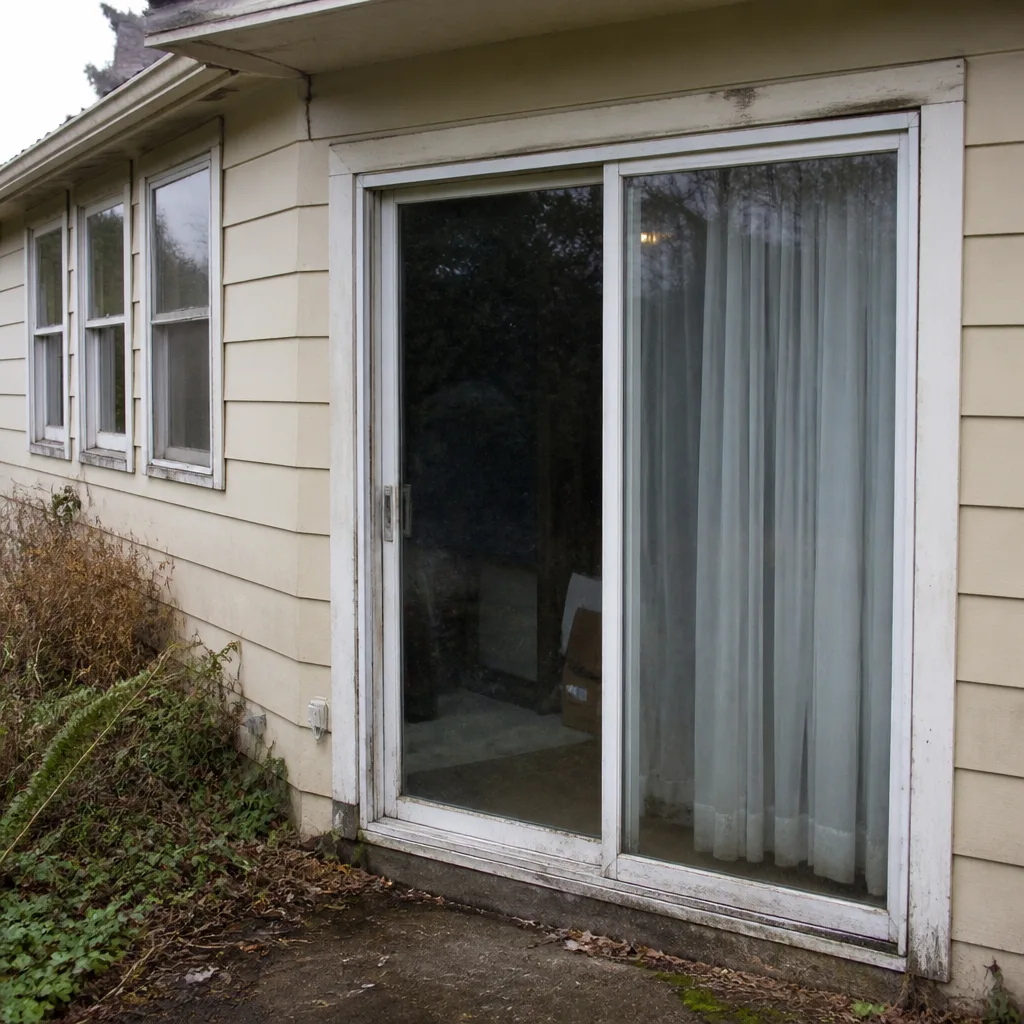 Before
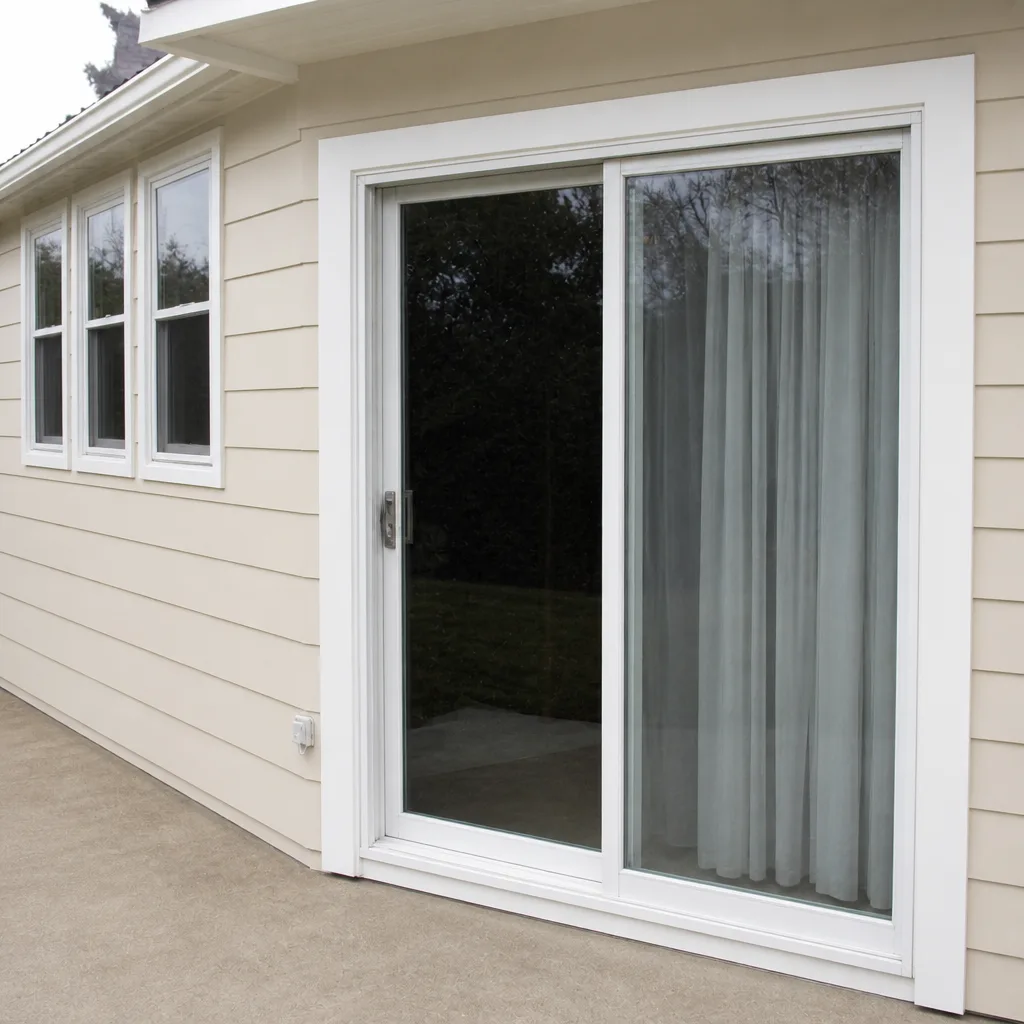 After
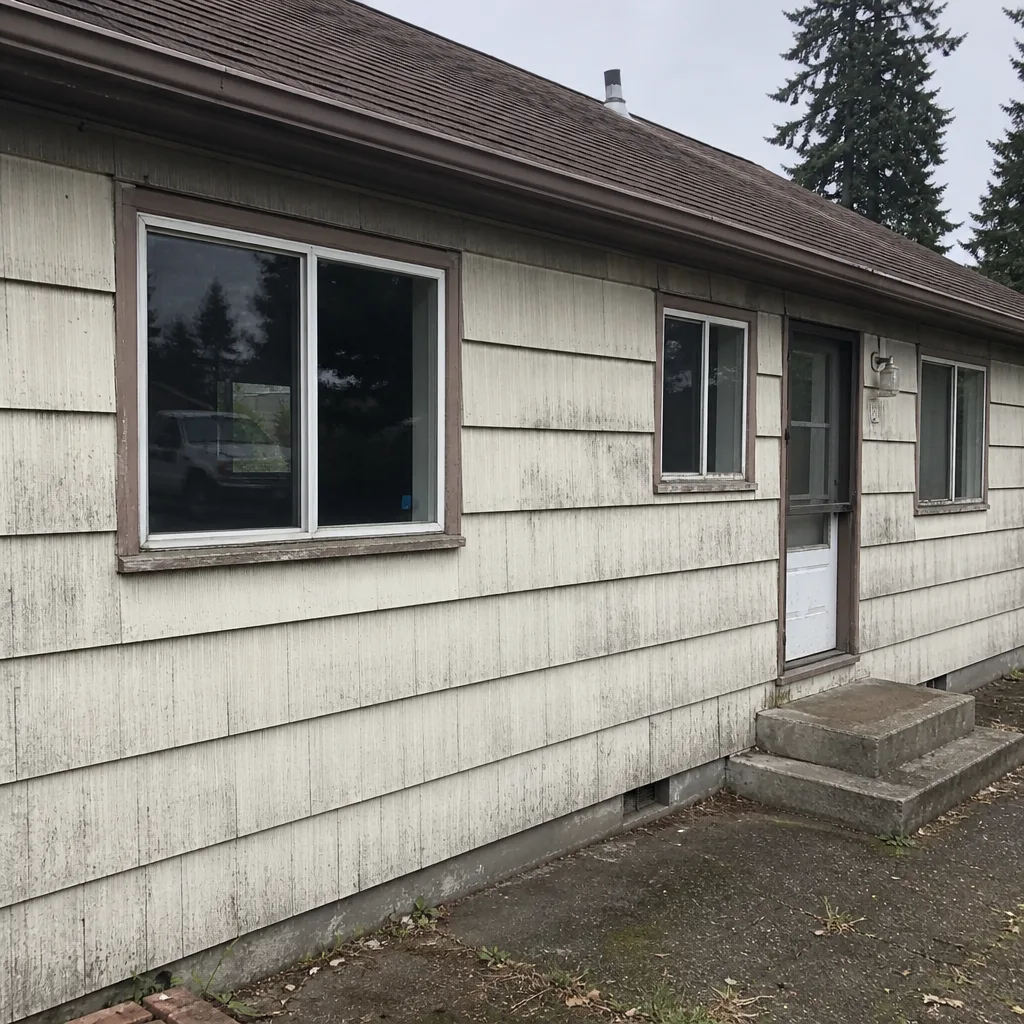 Before
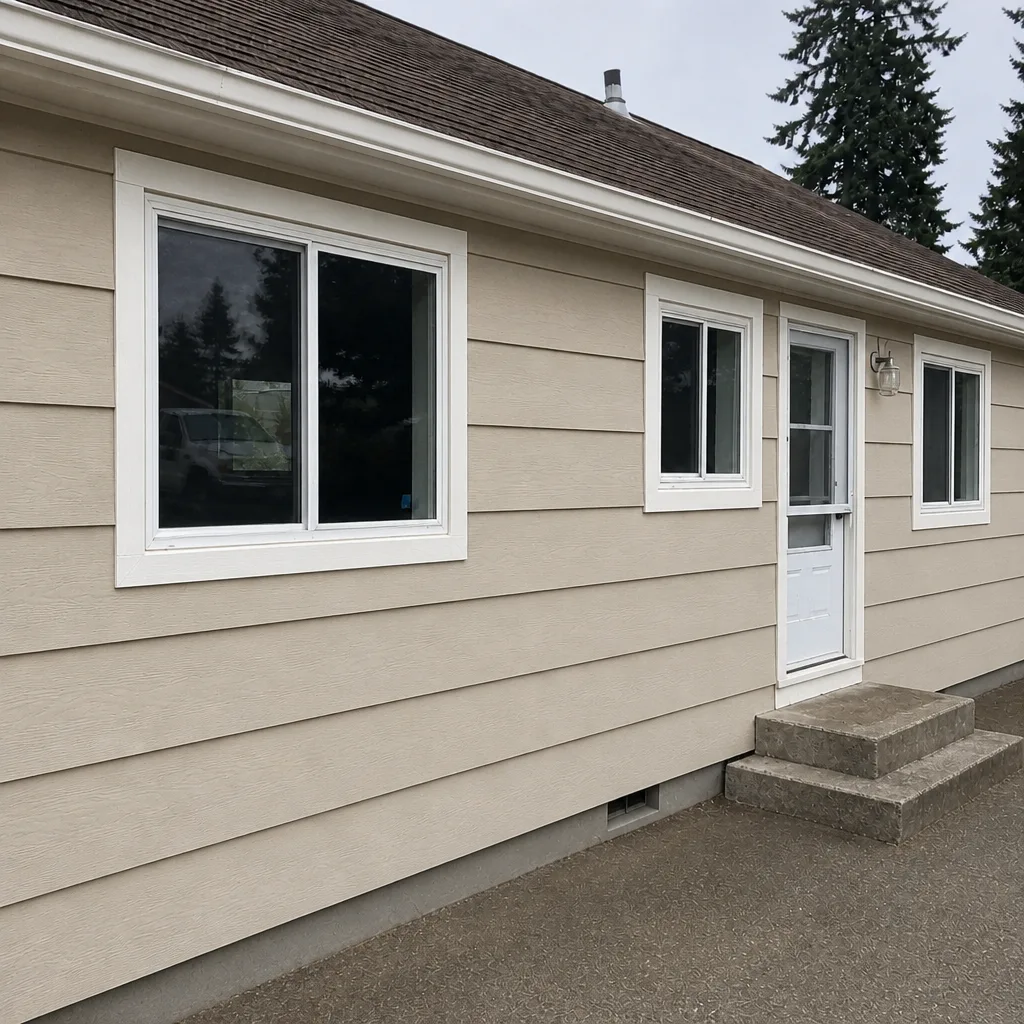 After
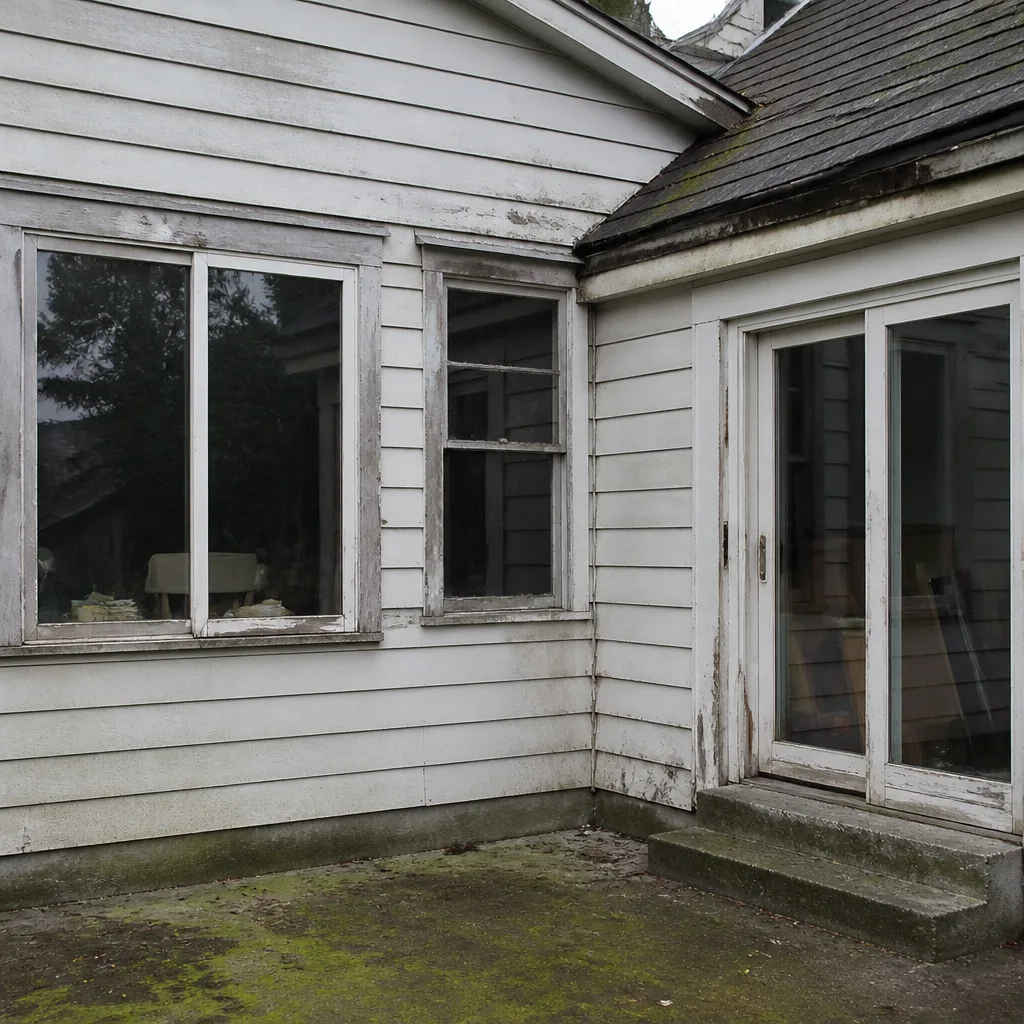 Before
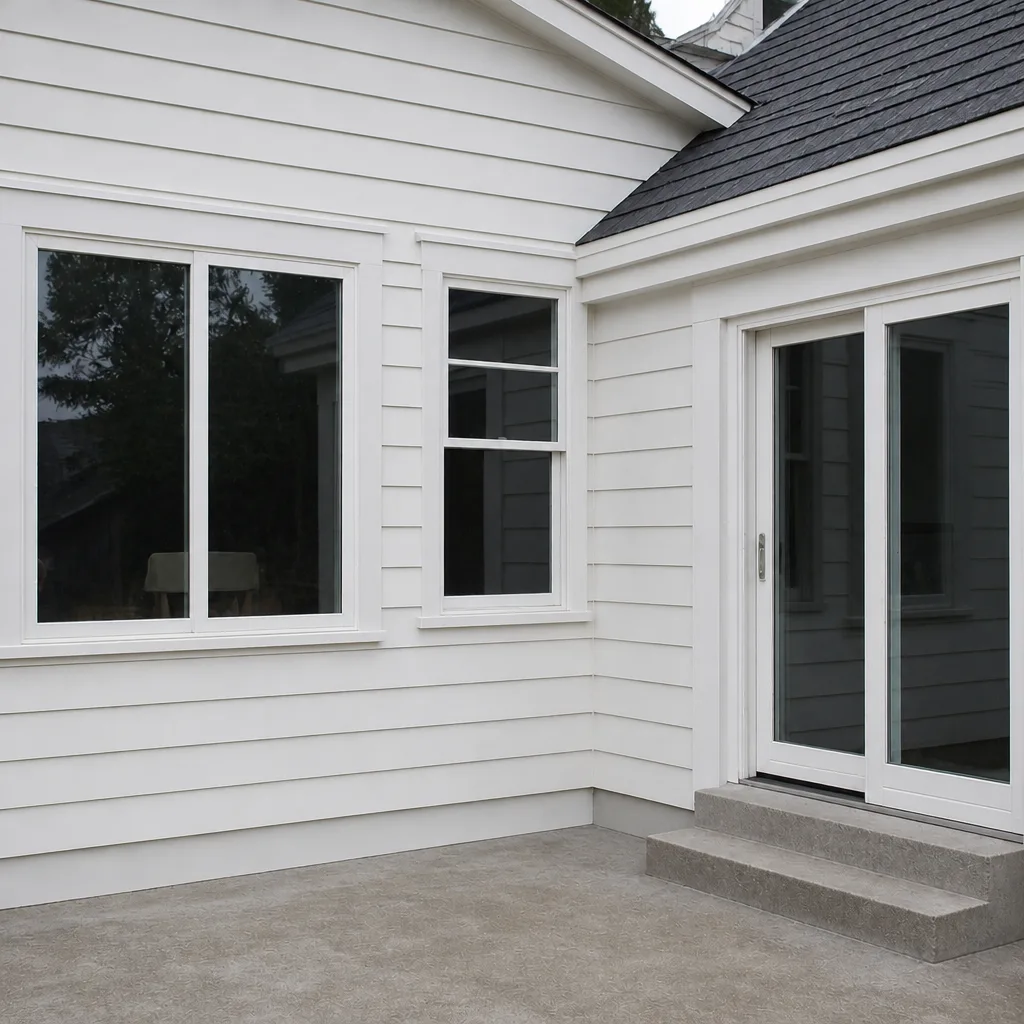 After
Common Mistakes to Avoid
- Painting over a fogged pane. Paint on the inside of a failed insulated unit doesn’t stop the problem; it hides the evidence of the seal failure until the frame itself goes. Wait for the fog to get bad and you’ve lost months of planning.
- Assuming every sticky door is a hardware problem. Many homeowners replace hinges and strike plates when the door frame has actually settled. The hardware changes and the door still sticks.
- Replacing one window or two windows at a time. We take projects of three openings or more, and for good reason: one window replaced in isolation usually shows its mismatch next to the neighbors in a year, and the full opening gets handled correctly when the project is sized as a project.
- Ignoring an energy bill increase. A 15 to 20 percent jump over the same month a year earlier, with no change in use, signals a window inspection, but most homeowners wait until the number doubles.
- Calling a contractor without photos. Photos taken on a wet morning shorten the conversation and make the recommendation more accurate. A phone call without a photo of the fogged pane is half a conversation.
- Trashing the original paperwork. A warranty repair needs a record. Keep the original records.
- Letting a sliding door drag. Sliding door track wear is the most underreported warning sign in Everett, because homeowners live with a hard pull for years and assume it’s just how the door is.
When to Call a Professional
Call a professional the moment any of these shows up: moisture or fog between the panes that won’t clear; a draft you can feel with your hand, not just with your imagination; a door that won’t latch or a window that won’t close; cracks or soft spots in a frame; a 15 percent-plus year-over-year jump on the same month’s energy bill; or water showing up anywhere it shouldn’t, especially around a threshold or sill. Any one of these warrants a look. A professional inspection costs nothing to ask for, and catching the mid-stage signal is worth the call.
Window Replacement Everett offers free estimates in Everett – call (425) 521-6663. Our technicians have up to 9 years of experience. We’ll photograph the frame, check the glass, and tell you whether you’re looking at a replacement or a fix that isn’t ours to make. That inspection is what keeps a small problem from becoming a whole opening.
Frequently Asked Questions
Barely visible edge condensation and faint fogging at the corners of the glass are the earliest signals. They usually appear 18 to 24 months before the fog becomes obvious.
No. Fog between the panes means the insulated unit’s seal has failed. The fix is replacing the window, not the glass, but a professional inspection confirms whether the frame is involved, which changes the scope and the cost.
No. A door that binds at one corner or shows an uneven gap at the top is a settlement signal, while a door that sits square but won’t latch cleanly is usually a hardware problem. The difference decides whether you need a fix or a replacement.
Roughly 15 to 20 percent over the same month a year earlier, with no change in use, is the point where a window inspection is worth the call. Compare the same month, not a neighboring one.
We install what we recommend, and installation warranty questions go back through the company that performed the install. Keep the original paperwork and photographs of the problem, and call us to start the check.
We take window and door replacement projects of three openings or more. A single window on its own is below the minimum we accept. Call (425) 521-6663 for a free estimate on a project that fits.
The Bottom Line
The costliest windows and doors problems in Everett are the ones you see but don’t act on: the edge condensation, the sash that doesn’t glide, the door that needs a lift. These mid-stage signs appear 2 to 4 years before a window fails outright, and that gap is where the decision is still yours. Watch the glass, feel the drafts, read the energy bill, and get a professional inspection while the frame is still intact. The right window for this house is the one you choose on your schedule, not the one a failed unit chooses for you. That’s where we fit in.
Get a Free Estimate on Your Windows and Doors
If this guide flagged something in your own home, the next step is a free estimate. Call (425) 521-6663 and we’ll walk the openings with you, photograph the frames, and map out what needs attention now versus what can wait. We carry eight brands – from PGT and CGI impact lines to Therma-Tru entry systems – and we install what we recommend, so the recommendation and the accountability stay with one company. To start exploring your options, see our window replacement Everett page or read about window replacement. Estimates are free, and the written estimate sets the final price.
Written by the team at Window Replacement Everett.