Last updated November 25, 2026
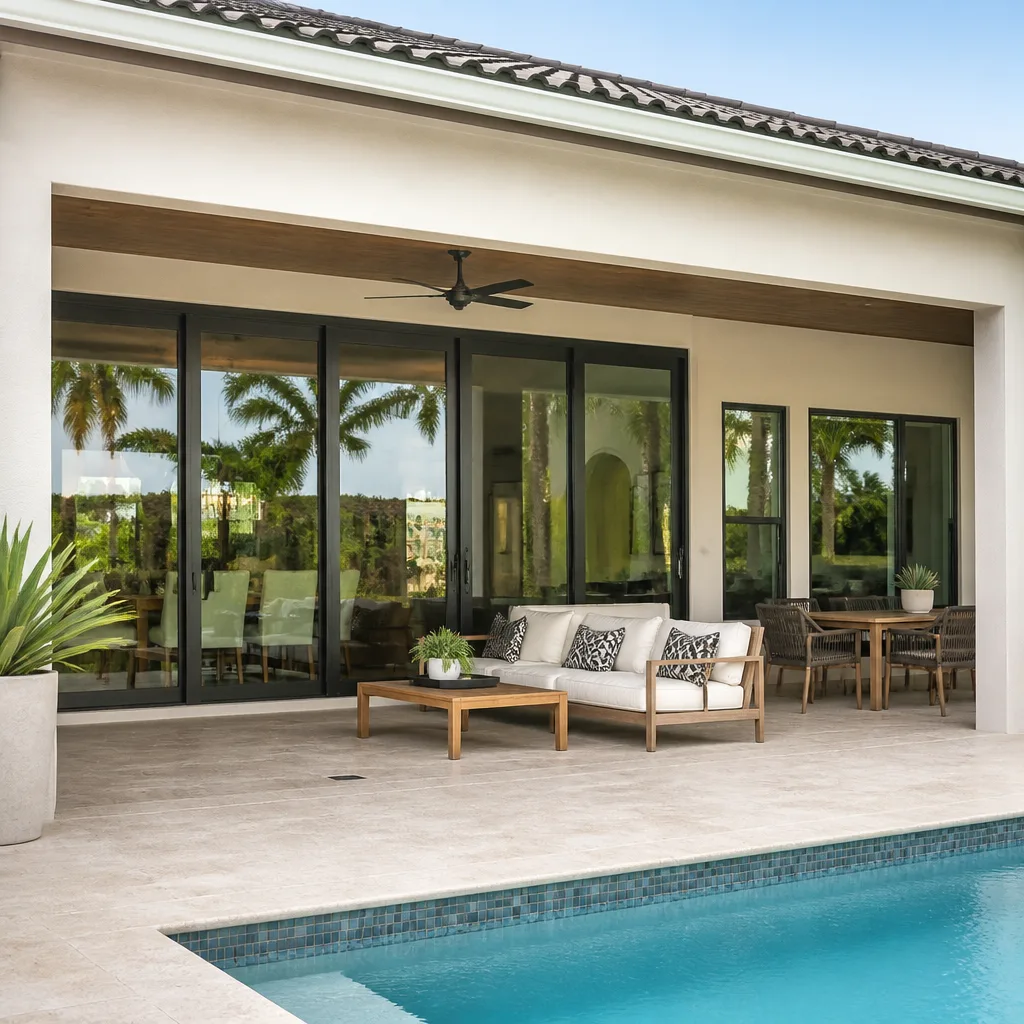
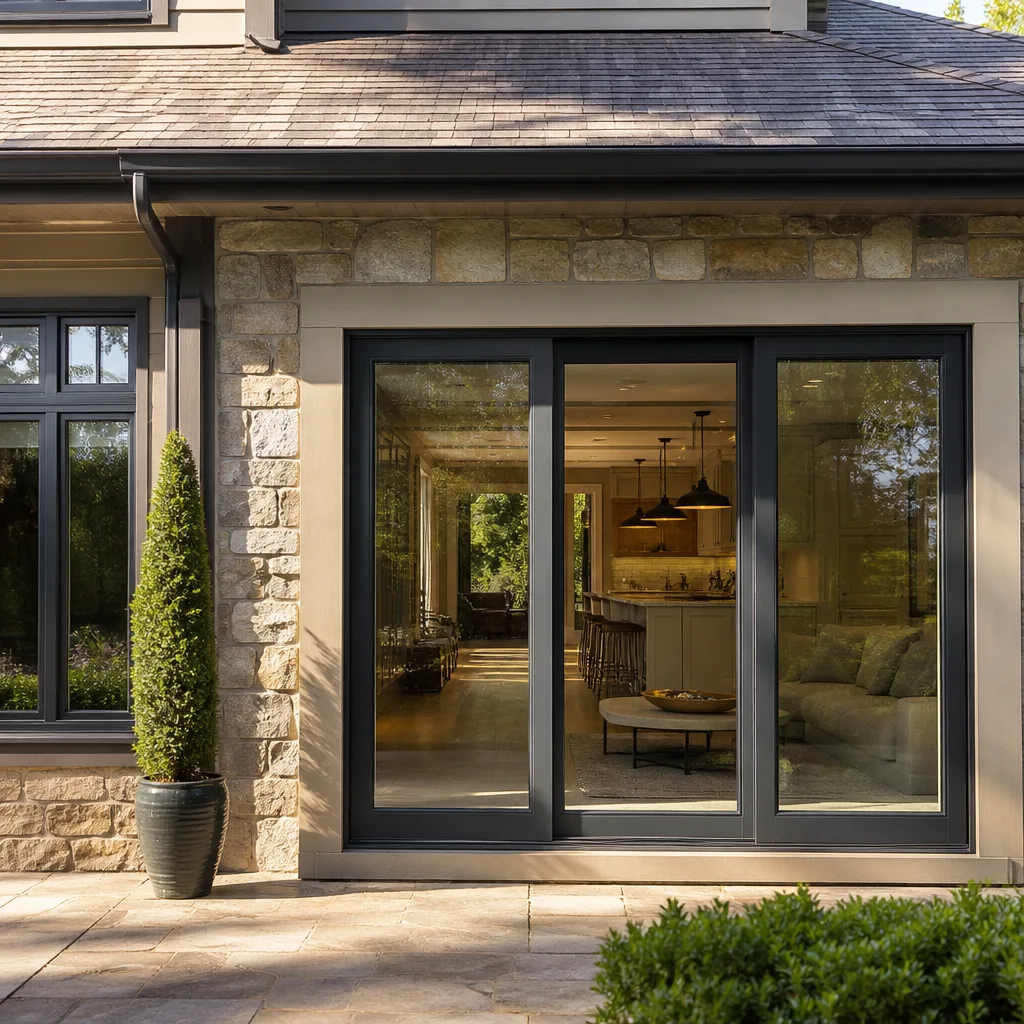
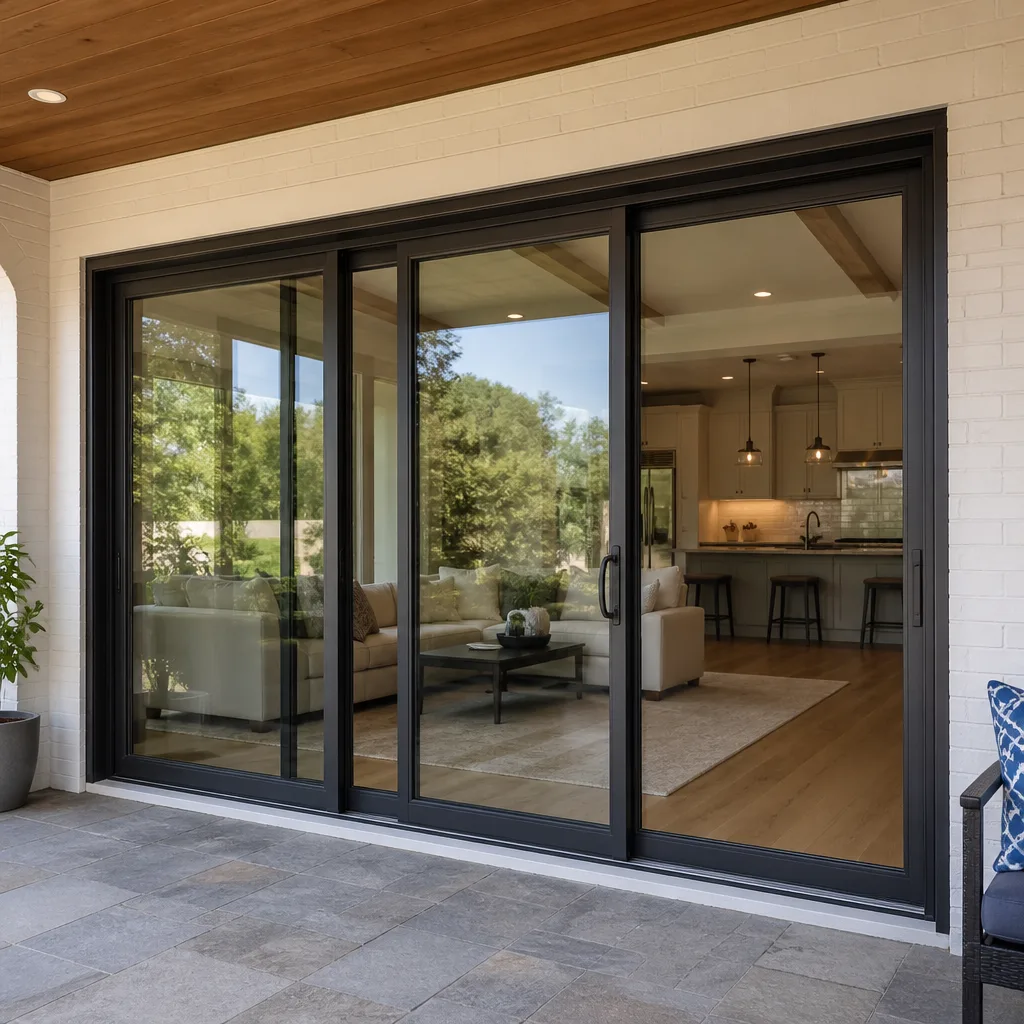 Sliding glass doors
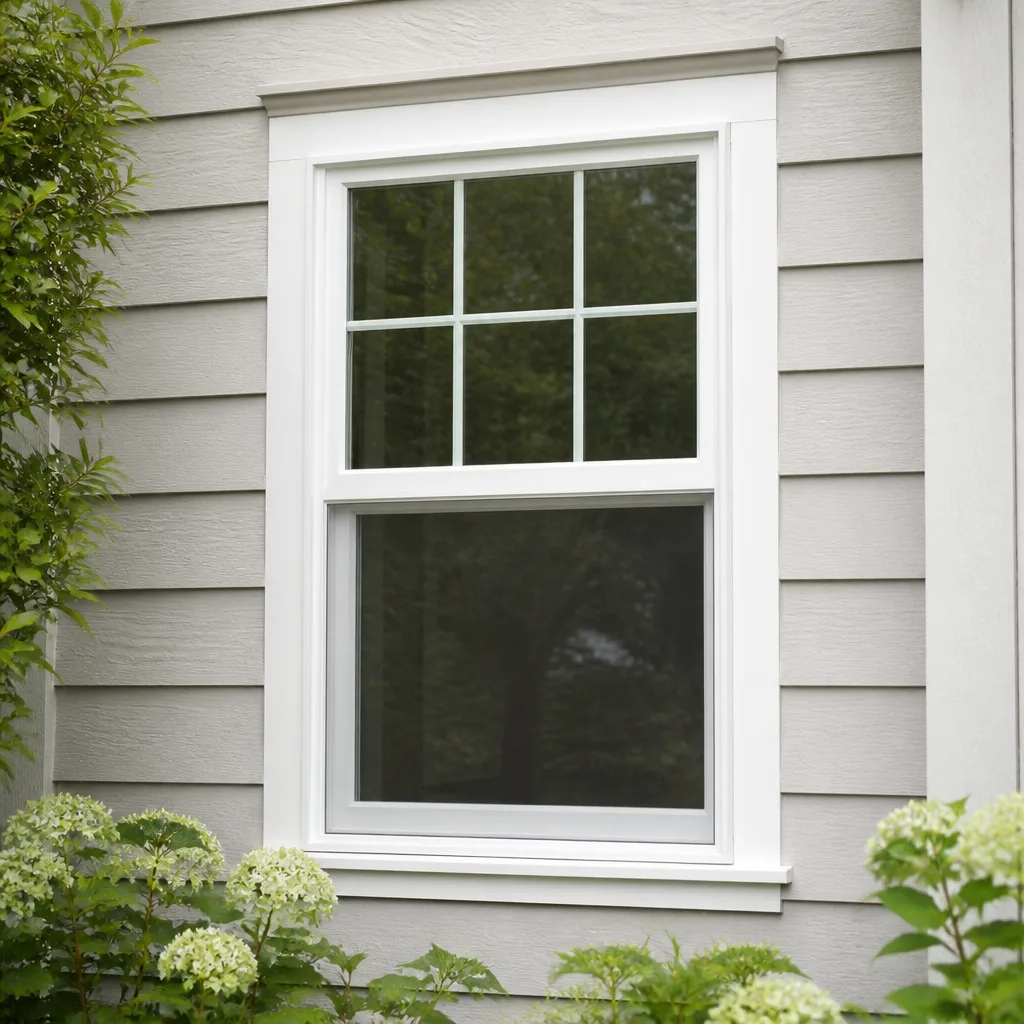 Single hung
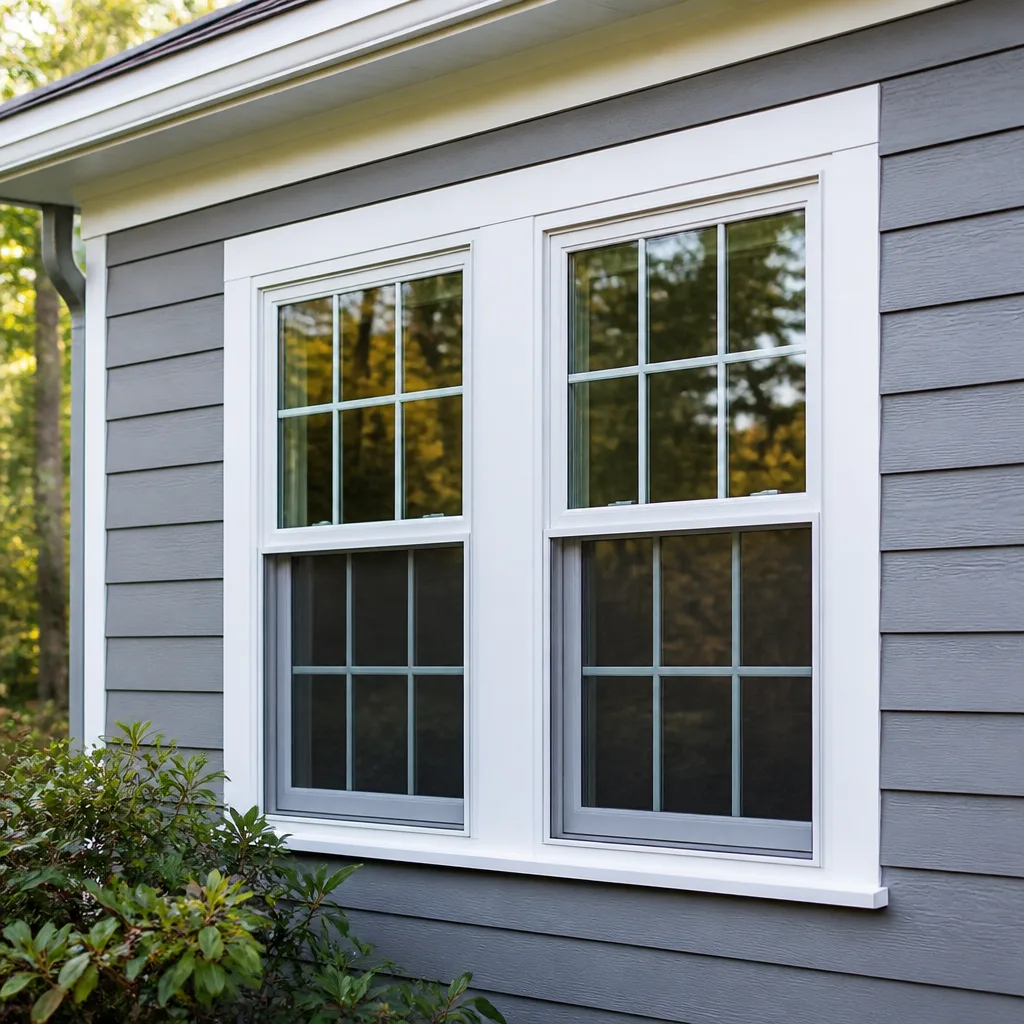 Double hung
 Horizontal roller
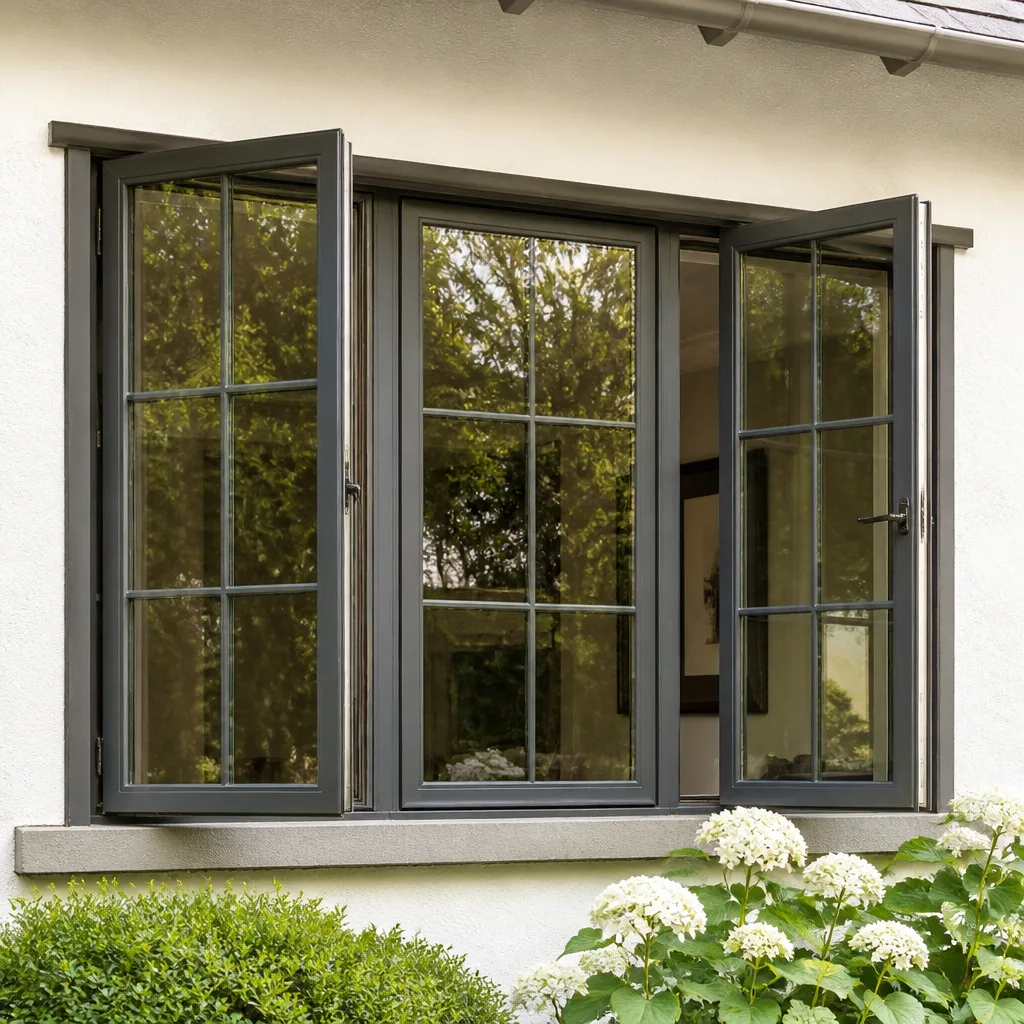 Casement
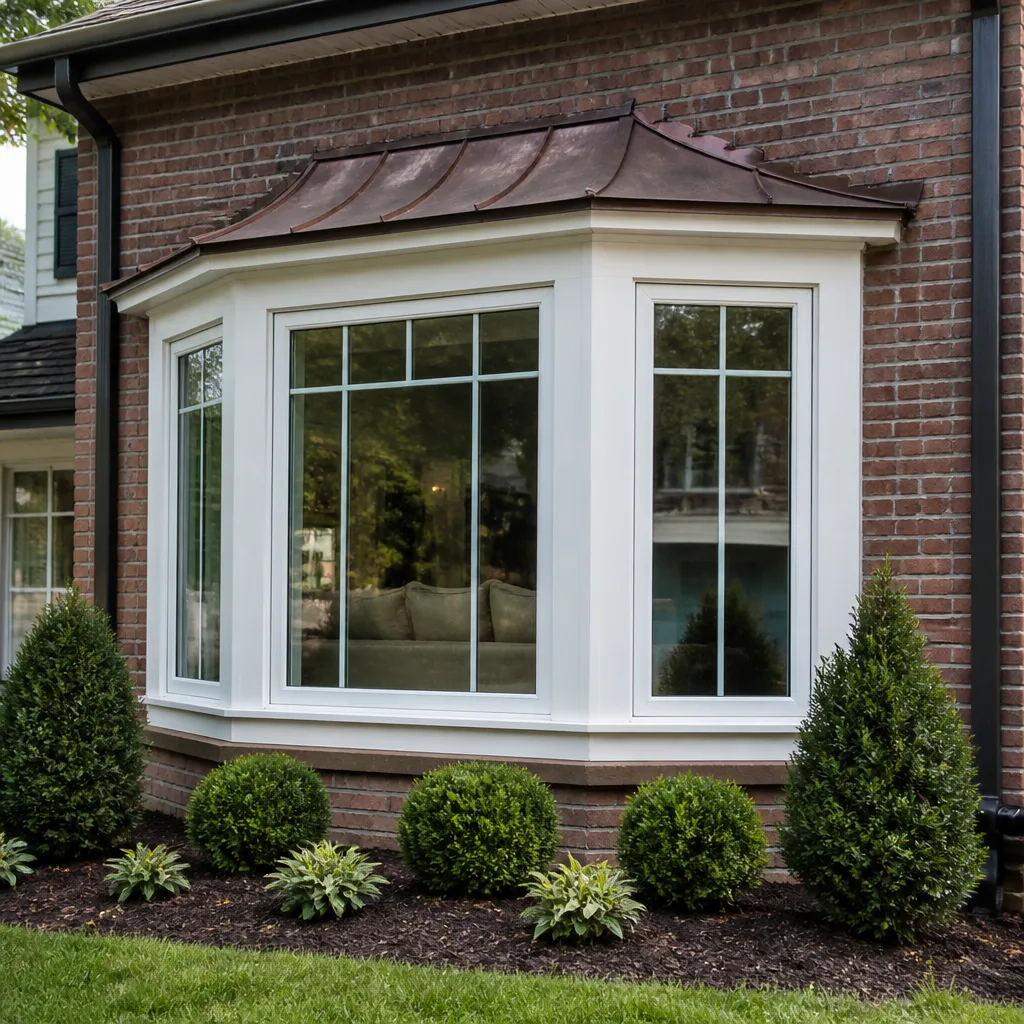 Bay & bow
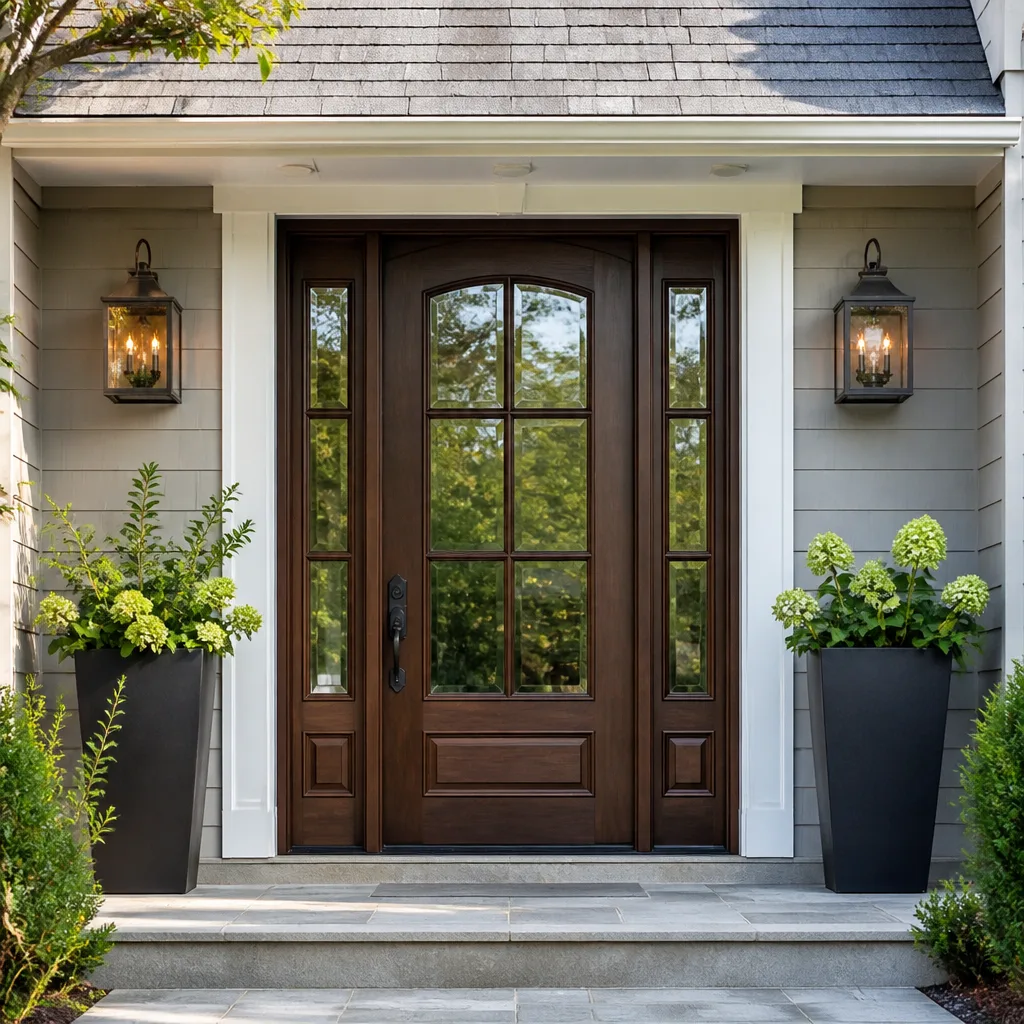 Entry doors
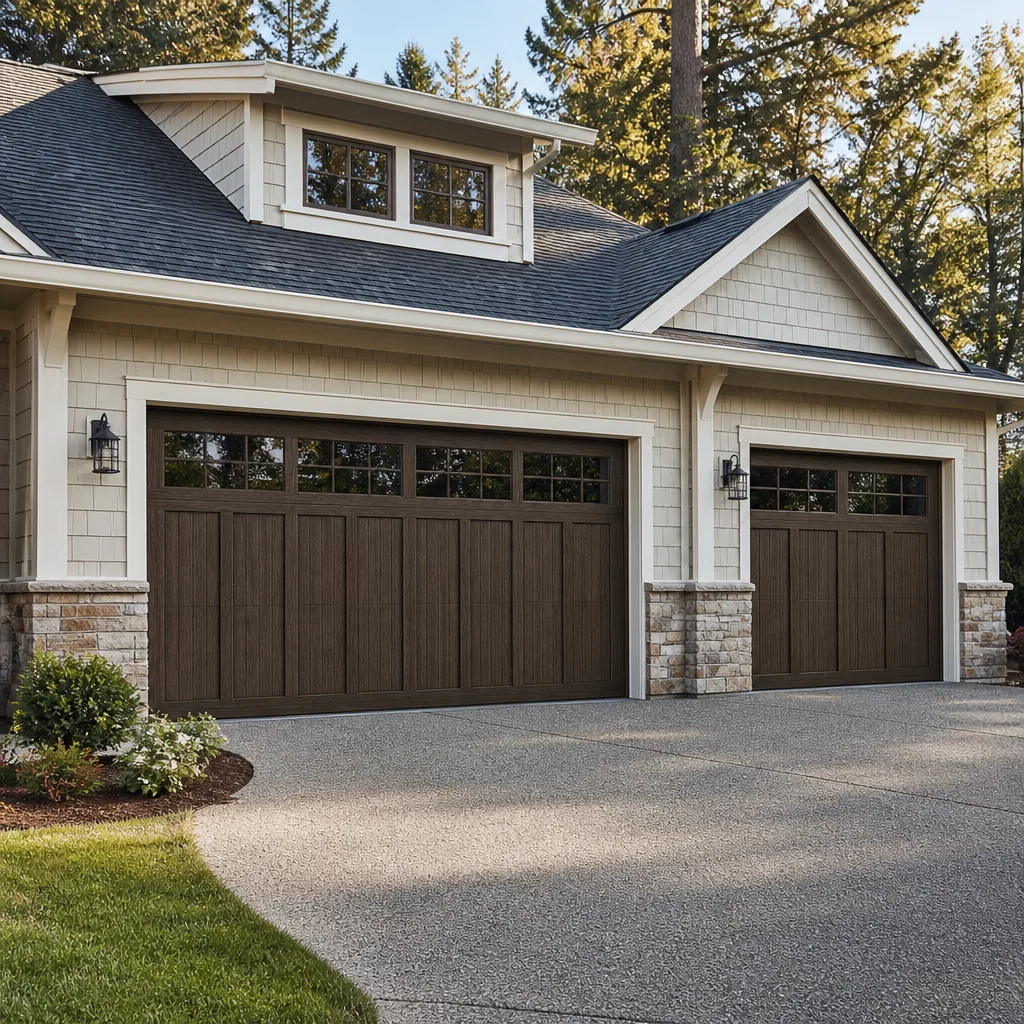 Impact garage doors
 PGT
 CGI
Free in-home measure and quote - PGT, CGI and CWS impact lines compared on your actual openings, style by style
Get your free estimateDIY vs Professional Windows & Doors: The Everett Homeowner’s Decision Guide
Here’s the part most guides skip: in Washington State, you can legally replace a window in your own single-family home without a contractor license. That legality is real, and it’s also a trap. The same project that clears the state licensing bar can still void the product warranty on the unit you just bought, and it can leave you holding a permit problem that costs more to untangle than the installation would have. This guide draws a clean line between the tasks where doing it yourself genuinely pays off and the ones where amateur work in Everett’s wet, wind-exposed climate creates compounding risk. You’ll learn where the warranty language actually draws the line, which installation steps cause the most trouble here, and how to do the math honestly.
Quick Answer
DIY is genuinely viable for window and door maintenance – swapping hardware, replacing weather-stripping, finishing interior trim – but full window or door replacement in Everett is usually a job for a professional. The reason isn’t just skill. It’s that manufacturer warranties on major brands typically require “professional installation” and define that term in ways that exclude owner-installed units, and a self-installed window that fails inspection can cost more to correct than the install would have cost in the first place.
Styles & brands we work with
- Single hung
- Double hung
- Horizontal roller
- Casement
- Bay & bow
- Sliding glass doors
- Entry doors
- Impact garage doors
- PGT
- CGI
Table of Contents
- What Washington Law Actually Allows a Homeowner to Do
- The Warranty Language That Decides the DIY Question
- The Three Installation Steps Where Amateur Work Fails in Everett
- Permits, Inspections, and What a Violation Really Costs
- The Real Cost-Benefit Math for an Everett Replacement
- Which Tasks You Can Own vs. Which to Contract
- Common Mistakes to Avoid
- When to Call a Professional
What Washington Law Actually Allows a Homeowner to Do
Washington does not require a licensed contractor for window replacement on an owner-occupied single-family home. That’s the honest starting point, and it’s why the DIY question is even on the table in Everett. A homeowner working on their own residence is largely exempt from the contractor registration requirements that apply to anyone doing the work for compensation. You can pull the permit in your own name, do the labor yourself, and have the work inspected.
What the exemption does not do is insulate you from the other rules layered on top of it:
- Permits still apply. Window replacement generally requires a permit in Washington, and whether your specific project needs one depends on scope and how your city’s building department classifies the work. Call the Everett building department and ask before you buy a single unit.
- Code compliance still applies. Egress windows in sleeping rooms, tempered glass where required near doors and floors, and energy code requirements on replacement units all still bind a self-installer.
- Resale still applies. Unpermitted work can surface years later during a sale inspection, and a buyer’s inspector will flag it.
- Insurance still applies. If a self-installed window leaks and damages interior finishes, whether your homeowner’s policy covers the resulting water damage is a conversation between you and your insurer, not a given.
So the legal question is settled: you can. The practical question is whether you should, and that answer lives in the warranty fine print and the specific demands of installing into Everett’s housing stock.
The Warranty Language That Decides the DIY Question
Most homeowners assume the product warranty covers the window no matter who installs it. That assumption is where the real money sits. The major brands sold in the Everett market write their limited warranties to require installation by a qualified, licensed professional, and they define “professional installation” narrowly enough that owner-installation takes the unit out of coverage. The product itself is often warranted. The installed performance of that product – water infiltration, air leakage, seal failure traceable to installation – usually is not, unless a qualified installer did the work.
The language varies by brand and by line, and this is exactly why we keep a portfolio of eight manufacturers rather than selling one. When a homeowner in Everett asks whether a specific warranty survives a DIY install, the answer depends on the brand and often on the fine print of the specific product line:
- PGT and CGI write warranties that hinge on professional installation, which matters most on their impact-rated lines engineered for high-wind and storm conditions. On those products, the installation is part of the performance claim.
- CWS and ES Windows carry installation-related warranty terms that treat a certified installer differently from an owner-installed unit. The labor side of the warranty is where the coverage gap opens.
- ECO Window Systems and Mr-Glass likewise define coverage in terms of how the unit was installed, not just whether it was purchased new.
- Therma-Tru entry systems warranty the door slab, the frame, and the installed assembly on different schedules, and the assembly coverage depends on installation method.
Here’s the practical takeaway: before you decide to self-install, read the specific warranty document for the specific unit you’re buying. Look for the words “professional installation,” “qualified installer,” or “licensed contractor,” and see what that definition says about owner-installed product. If the fine print excludes you, you’re not buying a warranted window. You’re buying an unwarranted one at a warranted price. That’s the single most expensive thing a DIY window project in Everett can do to you, and it happens before the first nail goes in.
The Three Installation Steps Where Amateur Work Fails in Everett
Everett sits on a landscape of older homes, many of them built decades ago in neighborhoods like Bayside and Riverside, where the framing has had time to move. That matters because window installation is mostly about how you handle the imperfections you find once the old unit comes out. Amateur error concentrates in three places, and all three are directly tied to how this area’s climate and housing stock punish shortcuts.
- Flashing. This is the moisture-management layer that sheds water away from the opening. In a place that gets the kind of rain Everett does, flashing is the difference between a tight window and a slow leak that rots the framing for years before you see a stain on the ceiling. The detail is in the pan and the head flashing, and it has to be integrated with the weather-resistive barrier behind the siding. Most DIY installs get the window centered and level and stop there. Then the water finds the gap.
- Shimming on out-of-square frames. A new unit shoved into a rough opening that isn’t plumb or square will bind, leak air, and eventually crack the glass or the frame. Getting an old frame plumb takes shims, a level, and patience – and then it takes re-checking the operating hardware after the shims go in. On sliding doors, an out-of-square frame is a guaranteed track failure. This is exactly the reason sliding door replacement is a distinct skill. A general window company often treats it as an afterthought; on a single-trade replacement specialist’s job board, it’s its own discipline.
- Exterior caulk bead profiles. The bead has to sit at the right depth and width, bonded to both the frame and the siding, and it has to be the right sealant for the material. A thin bead pulls away in the first cold snap. A thick, sloppy bead traps water. Either way, you don’t find out until the next winter.
None of this is magic. It’s just fiddly, unforgiving detail work that a homeowner learning on the fly will discover the hard way. In our experience, the units that fail are rarely the units – they’re the openings around them. This is why our window installation work starts with the rough opening, not the glass.
Permits, Inspections, and What a Violation Really Costs
Let’s say you’ve cleared the legal bar, read the warranty, and decided to go ahead. The next layer is the permitting process itself, and it’s where “cheap DIY” starts to get expensive in ways homeowners don’t budget for. Window replacement generally requires a permit in Washington. Pulling that permit in your own name is allowed, but it comes with obligations:
- The inspection schedule is real. You’ll need to be available for inspections, and a failed inspection means a re-inspection and another wait. That adds time and, in some cases, fees.
- Egress and tempered glass requirements are checked. If the window serves a sleeping room, it has to meet egress size. If it’s near a door or a low sill, the glass may need to be tempered. Getting this wrong means removing and re-installing the unit.
- Energy code compliance is checked. Replacement units have to meet efficiency requirements. Buying the wrong unit means you can’t get the permit signed off without starting over.
Now add the warranty problem. If the self-installed unit fails, the product warranty gaps out, and the permit violation compounds it. A homeowner who self-installs a window incorrectly can end up paying to remove the unit, re-buy it, re-permit it, and have it installed professionally – all on top of the original purchase and the tool rental. That’s the scenario where the DIY math turns upside down. The savings were a guess. The re-do cost is a bill.
For a homeowner who wants a permitted, warrantied install handled start to finish, this is precisely the kind of project our window replacement service is built around – permit pulled, inspection passed, product warranted. Call (425) 521-6663 for a free estimate before you make any decisions.
The Real Cost-Benefit Math for an Everett Replacement
The DIY-versus-hire math that circulates online rarely accounts for the costs unique to this area, so let’s build it honestly. A realistic Everett replacement scenario involves buying the units, renting the specialty tools, pulling the permit, and absorbing the time and risk of the install yourself. Then compare that to a professional install where the unit and the labor come wrapped in a warranty.
Here’s the line-item list a homeowner should actually be totaling for a DIY replacement in Everett:
- Product cost. The units themselves, purchased at retail rather than through an installer’s access to brands like CWS, ES Windows, or ECO Window Systems.
- Tool rental. A level, a rotary hammer for masonry anchors, a good caulk gun, a shim assortment, and often a truck to move the units.
- Permit fees. The permit itself, plus any re-inspection charges if the first pass fails.
- Disposal. Old windows and doors don’t walk themselves to the transfer station.
- Time. A realistic time cost per opening, multiplied by the number of openings, including the time off work.
- Risk reserve. The cost of a re-do if a unit leaks, fails inspection, or voids its warranty. This is the biggest number and the easiest to pretend doesn’t exist until it does.
When you add the warranty gap to that last line, the DIY savings shrink or vanish. The homeowner who “saved” on labor often discovers the labor was the cheap part, and the warranty was the expensive part. That’s the honest version of the math. A free, written, line-item estimate makes that comparison concrete because it prices the whole job instead of just the window. Given that, the sensible move is to price both paths before committing – not after the old window is sitting on the lawn.
Which Tasks You Can Own vs. Which to Contract
Not every window-and-door task requires a professional. A homeowner in Everett can legitimately handle a good slice of the maintenance work without touching the permit or warranty question. The key distinction is between tasks that touch a component and tasks that replace an assembly.
Tasks you can genuinely own
- Hardware replacement. Swapping a handle, a lock, a crank, or a sash latch on an existing working window is maintenance, not installation.
- Weather-stripping swaps. Replacing worn weather-stripping on a door or window frame is low-risk, cheap, and often recovers a surprising amount of draftiness.
- Interior trim finishing. Caulking and painting the interior trim after a professional install is a fine DIY task. It’s cosmetic and easily corrected.
- Exterior touch-up painting on painted wood trim, once the installer’s work has cured, is also within reach for a careful homeowner.
Tasks that should always be contracted
- Full window or door replacement. The rough-opening work, flashing, shimming, and caulk are where amateur error compounds, and they’re where the permit and warranty consequences sit.
- Sliding door replacement. A sliding door is a different assembly from a window. The track, the sill pan, and the frame plumb all have to be right, and the error is less forgiving than on a fixed window. This is the specific service that separates a real replacement specialist from a general window company, and it’s worth seeking out a specialist rather than gambling on a generalist.
- Egress, tempered-glass, and energy-code decisions. These are code-compliance questions with inspection consequences, best answered before the unit is bought.
- Any repair work. We don’t do repairs, and neither should a DIY homeowner patch around a failing unit and call it fixed. When the problem is a failing unit, the answer is replacement, not repair.
See the difference
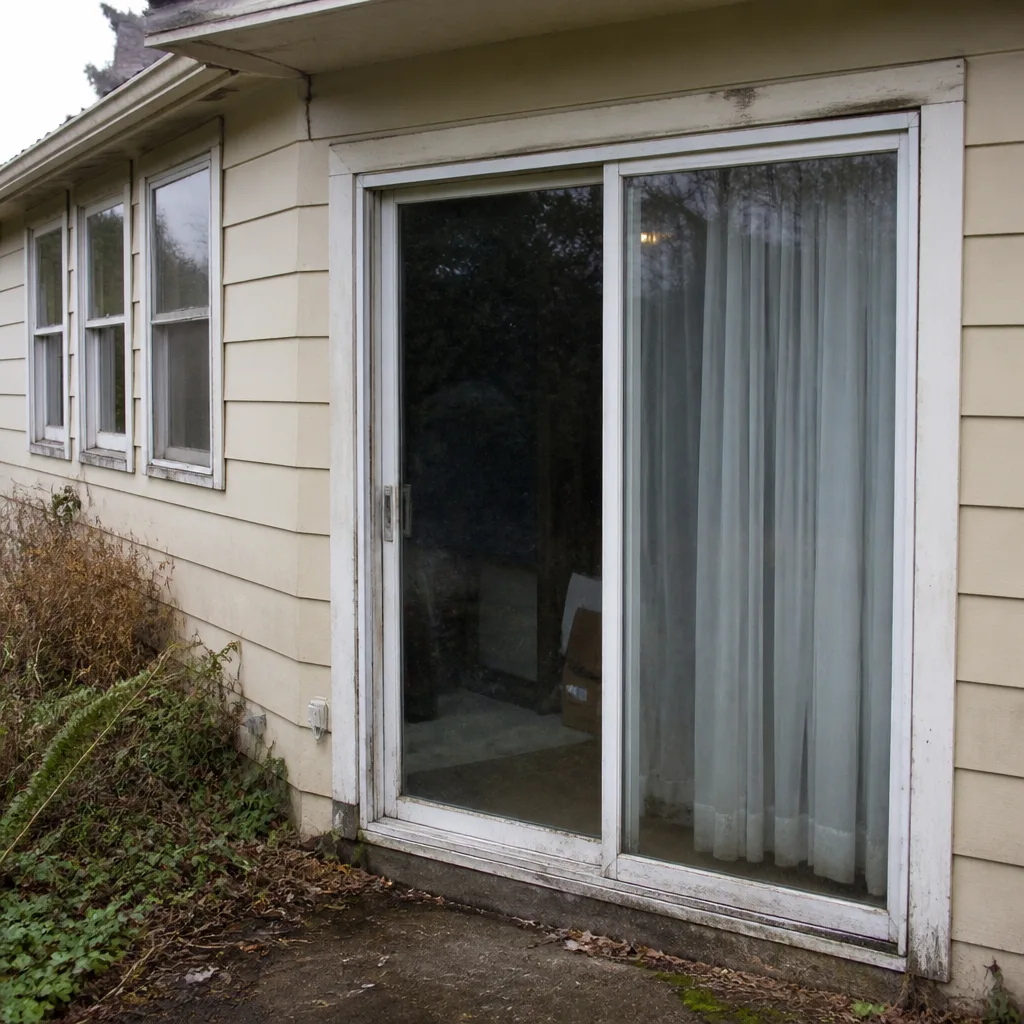 Before
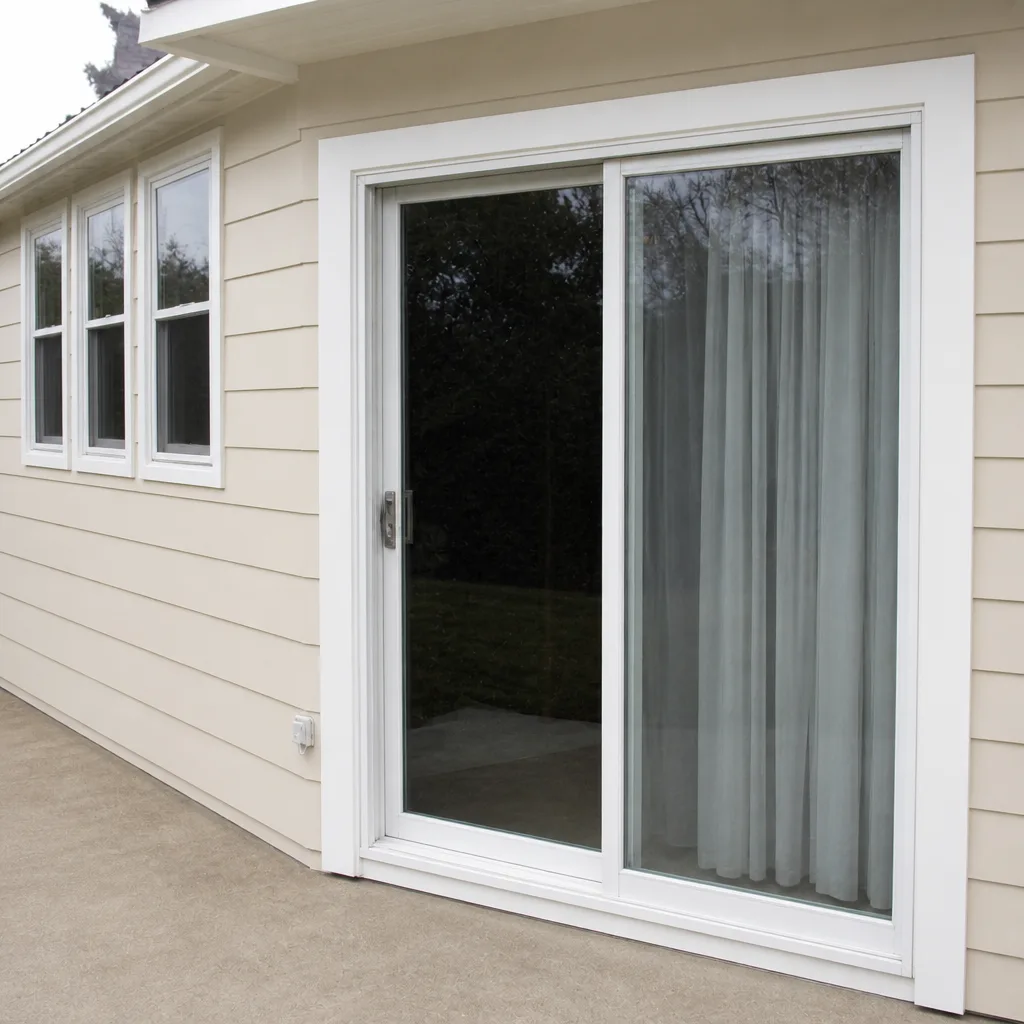 After
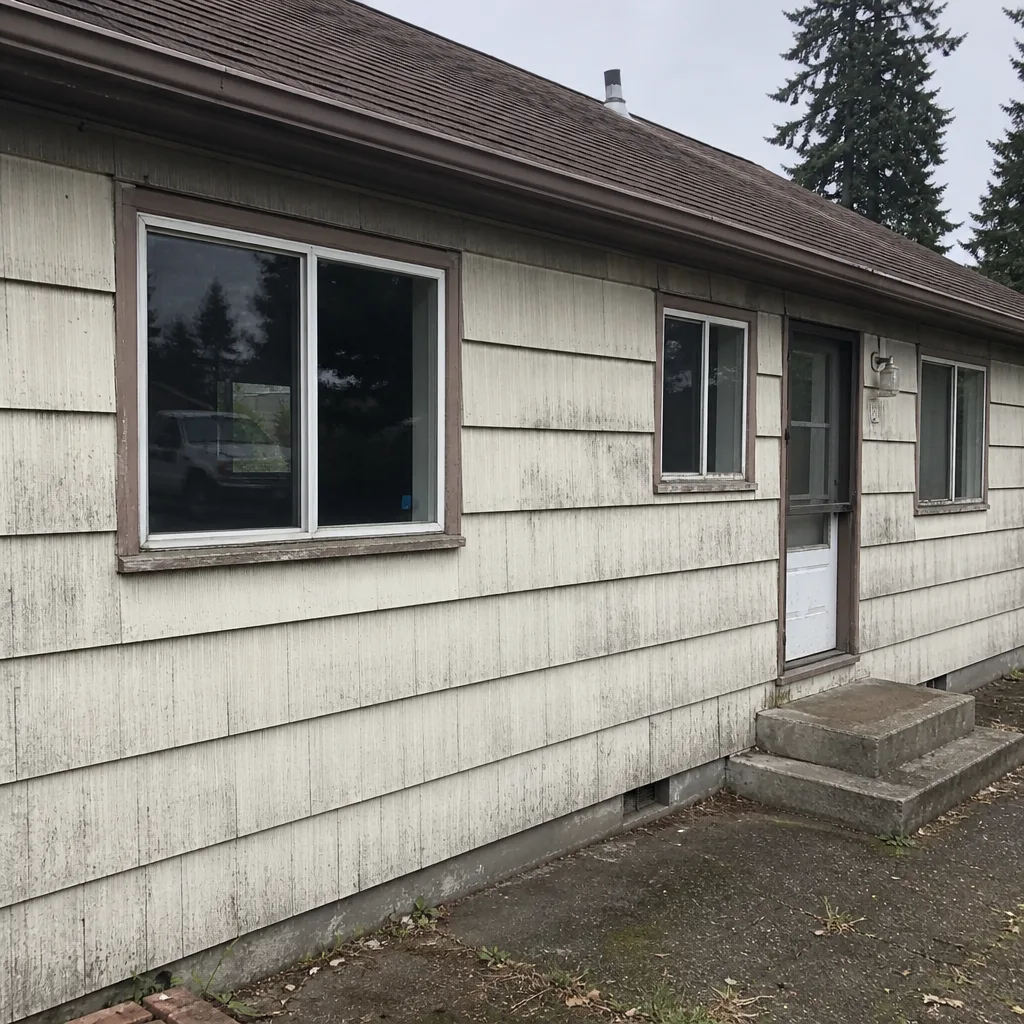 Before
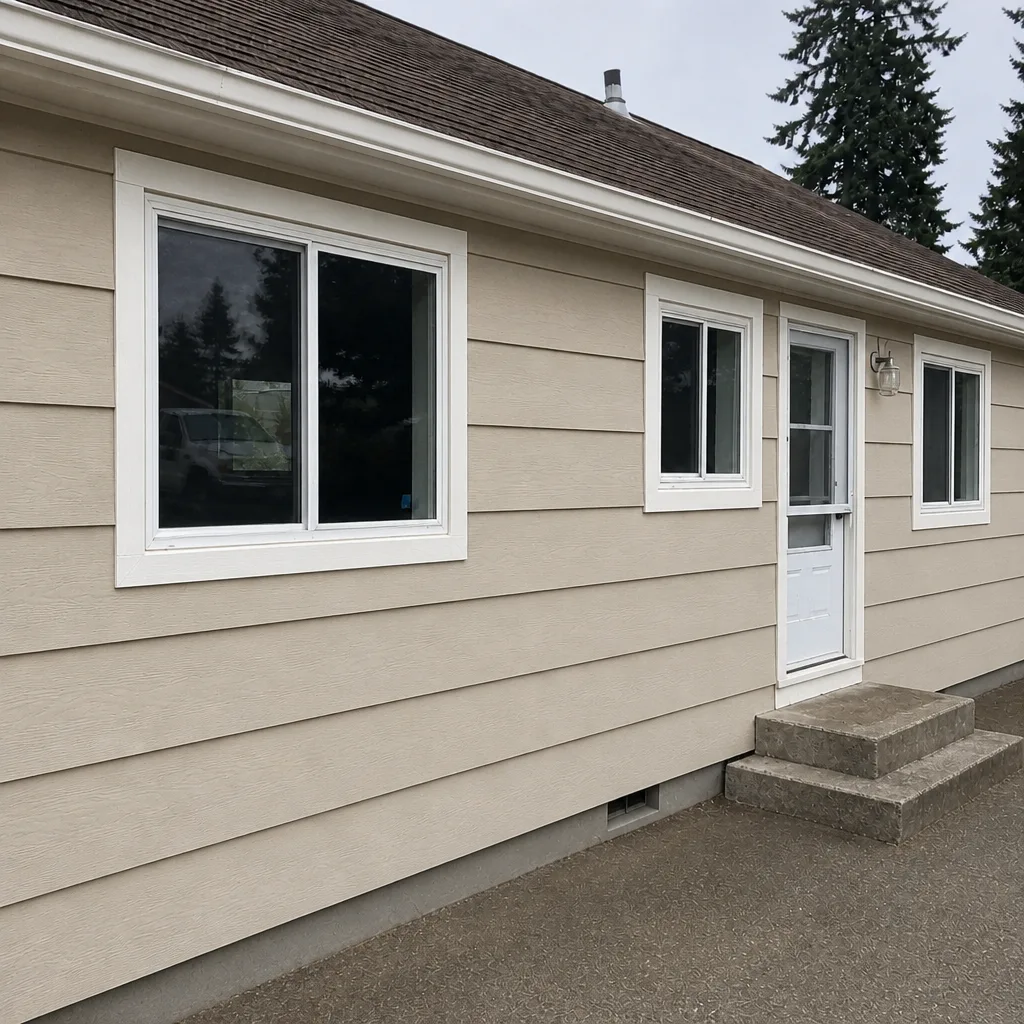 After
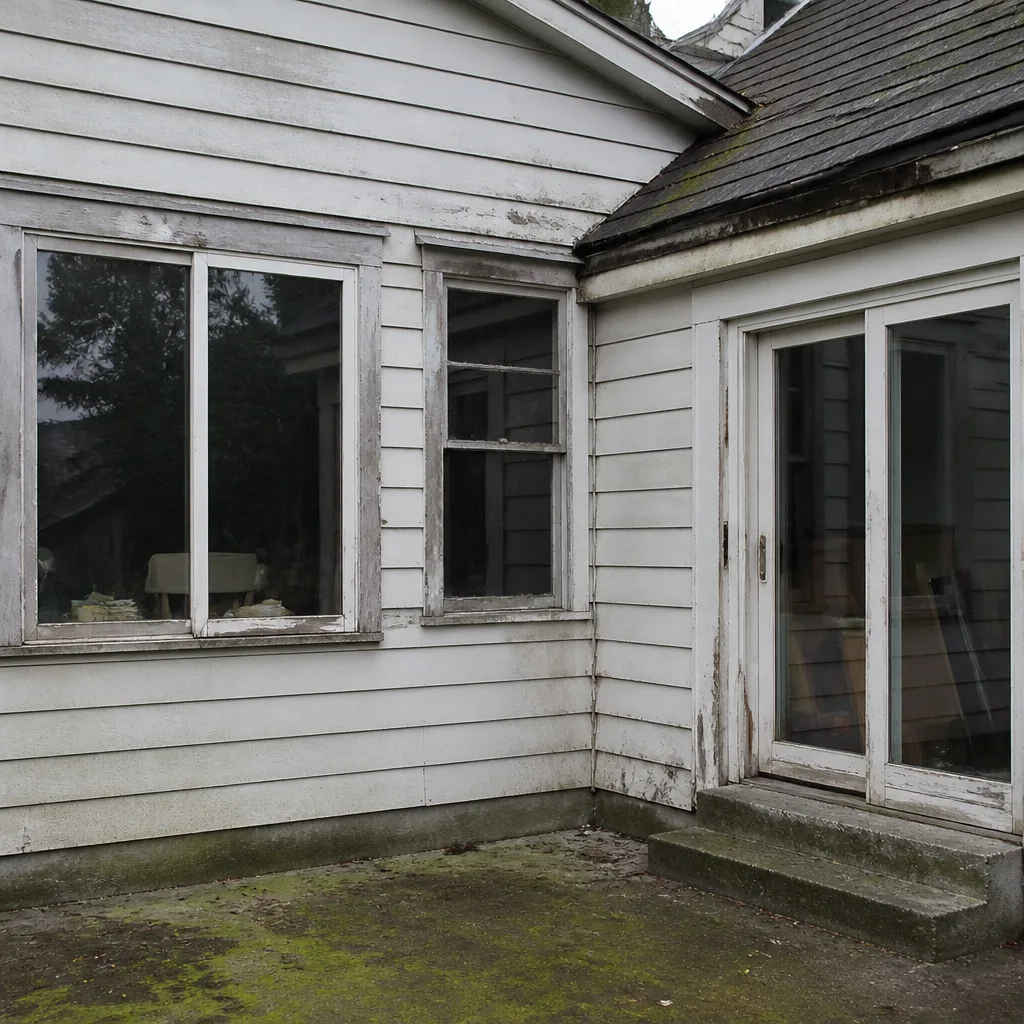 Before
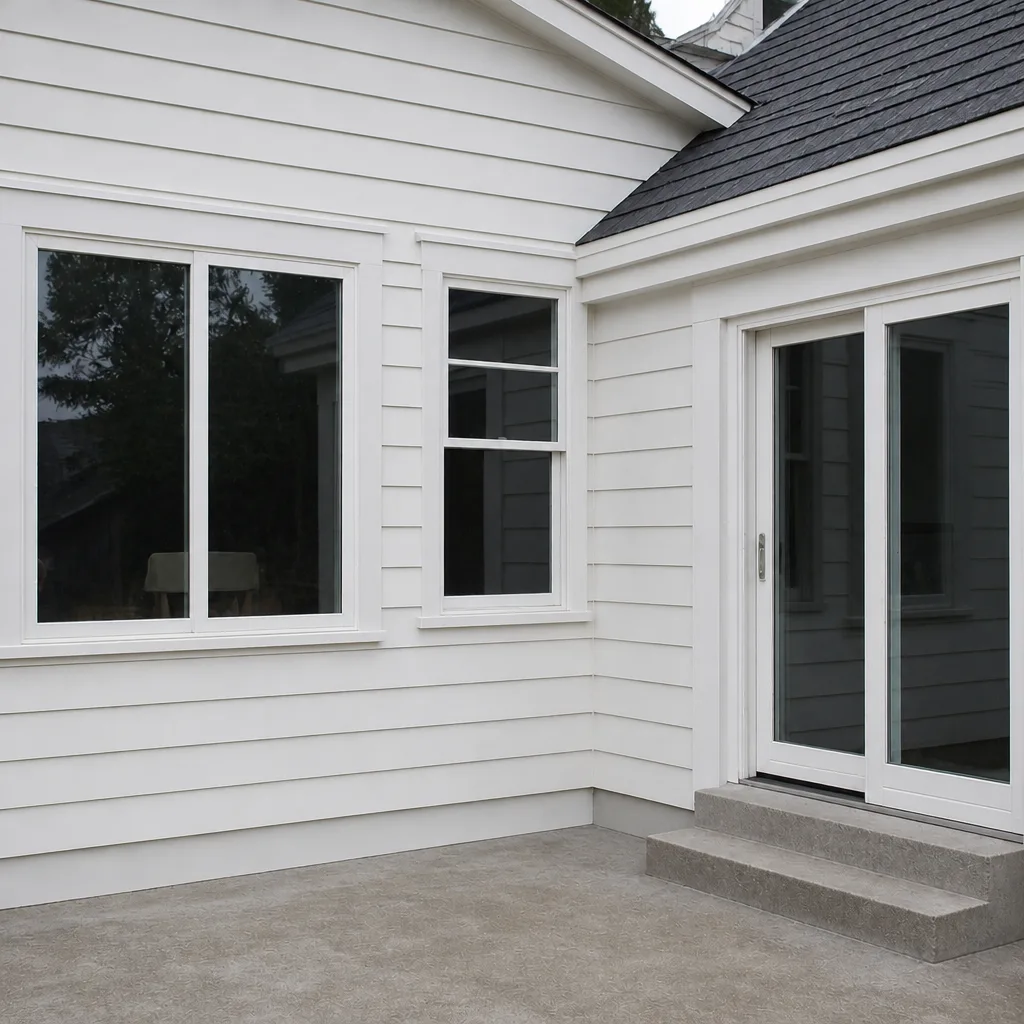 After
Common Mistakes to Avoid
- Skipping the permit because “it’s just a window.” Window replacement generally requires a permit, and skipping it creates a resale problem that surfaces years later. Pulling a permit takes an afternoon; an unpermitted install can follow the house forever.
- Buying the unit before reading the warranty. The warranty’s professional-installation clause is the whole argument against DIY, and it lives in the fine print of the specific unit. Read it before you buy.
- Assuming the window is the whole job. In Everett’s rain, the flashing and caulk bead around the window matter as much as the window itself. The most common failure here is water around the opening, not the glass.
- Choosing a sliding door the way you’d choose a window. Sliding door replacement is its own assembly with its own track and sill requirements. Treating it as a window job is a reliable way to get a sticky door that leaks.
- Buying a cheap unit that meets price but not energy code. Replacement units have to meet efficiency requirements, and a non-compliant unit can’t be permitted without a re-do. Check the code requirements before you buy.
- Renting tools you’ll only use once. A DIY install often rents specialty tools for a single job, and the rental cost eats a meaningful slice of any labor savings. Factor it in honestly.
- Skipping the brand-matching step. The right window for this house depends on the opening, the exposure, and the framing. Buying the cheapest unit without matching it to the job is the mistake the cheap decision makes first.
When to Call a Professional
Some situations call for a professional installer, and the honest answer is that most whole-window and whole-door replacements do. If any of the following is true for you, the reliable move is to get a professional on the job: your project involves three or more openings; your existing frame is out of square or has signs of rot; the unit serves a bedroom or a low sill and needs egress or tempered glass; your home sits in an older Everett neighborhood where the framing has moved; or your project involves a sliding door, which deserves a specialist rather than a generalist. The same goes for anyone who has read the warranty and wants the product to stay under warranty.
Window Replacement Everett offers free estimates in Everett – call (425) 521-6663. We’ll walk the openings, tell you which brands fit, and give you a written, line-item quote so you can make the call with the real numbers in front of you, not a guess.
Frequently Asked Questions
Most window replacement in Washington requires a permit, and the safe assumption is that yours does too. It depends on the scope and how the local building department classifies the work, so call the city and confirm before you buy a unit. Skipping the permit is the single easiest way to turn a DIY install into a resale problem later. Call (425) 521-6663 for a free estimate and we’ll handle the permit side for you.
It often does, because most major brands write their warranties to require professional installation and define that term narrowly. The product may be warranted, but the installed performance of the window is typically not covered on an owner-installed unit. Read the specific warranty document for the unit you’re buying before you commit, and look for the installer-qualification language. Call (425) 521-6663 for a free estimate if you’d rather not carry that risk.
The honest answer is less than the retail price difference suggests, once you add tool rental, permit fees, disposal, and the warranty gap. A re-do after a failed inspection or a leak can cost more than the original installation would have. That’s why a free, written, line-item estimate is the right first comparison. Estimates are free – call (425) 521-6663.
Yes – hardware replacement, weather-stripping swaps, and interior trim finishing are all legitimate homeowner tasks. What you shouldn’t self-install is a full window or door replacement, especially a sliding door. The line is between touching a component and replacing an assembly.
Yes, and it’s treated differently for good reason. A sliding door has a track, a sill pan, and a frame plumb requirement that is less forgiving than a fixed window’s, and an out-of-square frame guarantees a bad fit. It’s the kind of job a single-trade replacement specialist handles better than a general contractor who treats it as a window job. Call (425) 521-6663 to get it done right.
We install eight brands: PGT, CGI, CWS, ES Windows, ECO Window Systems, Mr-Glass, Therma-Tru, and ViewLux. It matters because each brand’s warranty language is different, and part of our job is matching the unit to the opening and the coverage to your situation. That’s the advantage of eight brands under one installer – no brand lock-in, just the right product match. Call (425) 521-6663 for a free estimate.
The Bottom Line
The DIY question for windows and doors in Everett is a question about warranty and permit consequence, not just labor cost. You can legally self-install on an owner-occupied single-family home, but the product warranty on most major brands excludes owner-installed units, and a failed inspection after a self-install can cost more than the install would have. The tasks you can genuinely own are maintenance tasks: hardware, weather-stripping, and interior trim. The tasks you should contract are full replacements and sliding doors, where the flashing, shimming, and caulk work is less forgiving. Price both paths with a written estimate before you decide, and let the numbers do the talking.
Call Window Replacement Everett at (425) 521-6663 for a free estimate. We install what we recommend, we pull the permits, and we stand behind the full project from product selection through finished install. Whether your project is one opening or a whole house, a free, written, line-item quote is the right place to start.
Written by the team at Window Replacement Everett.