Last updated November 25, 2026
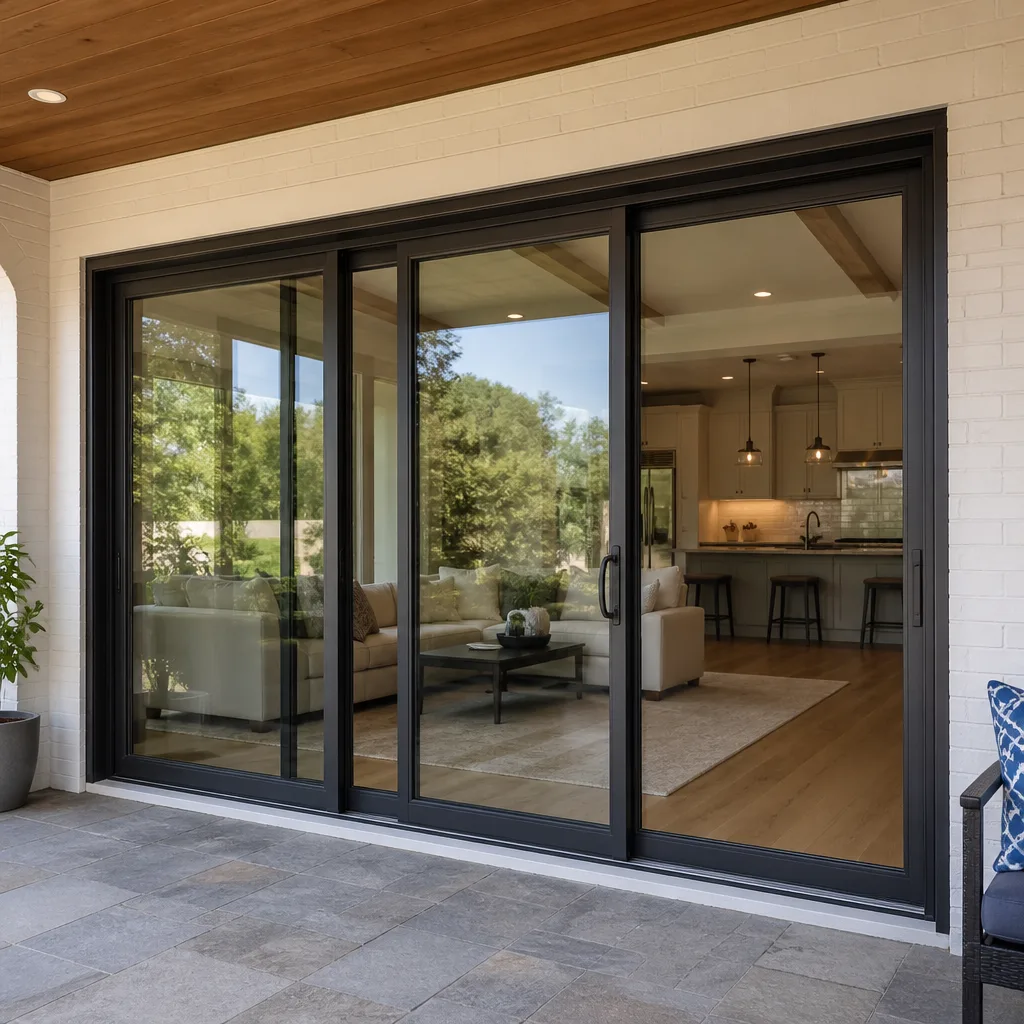 Sliding glass doors
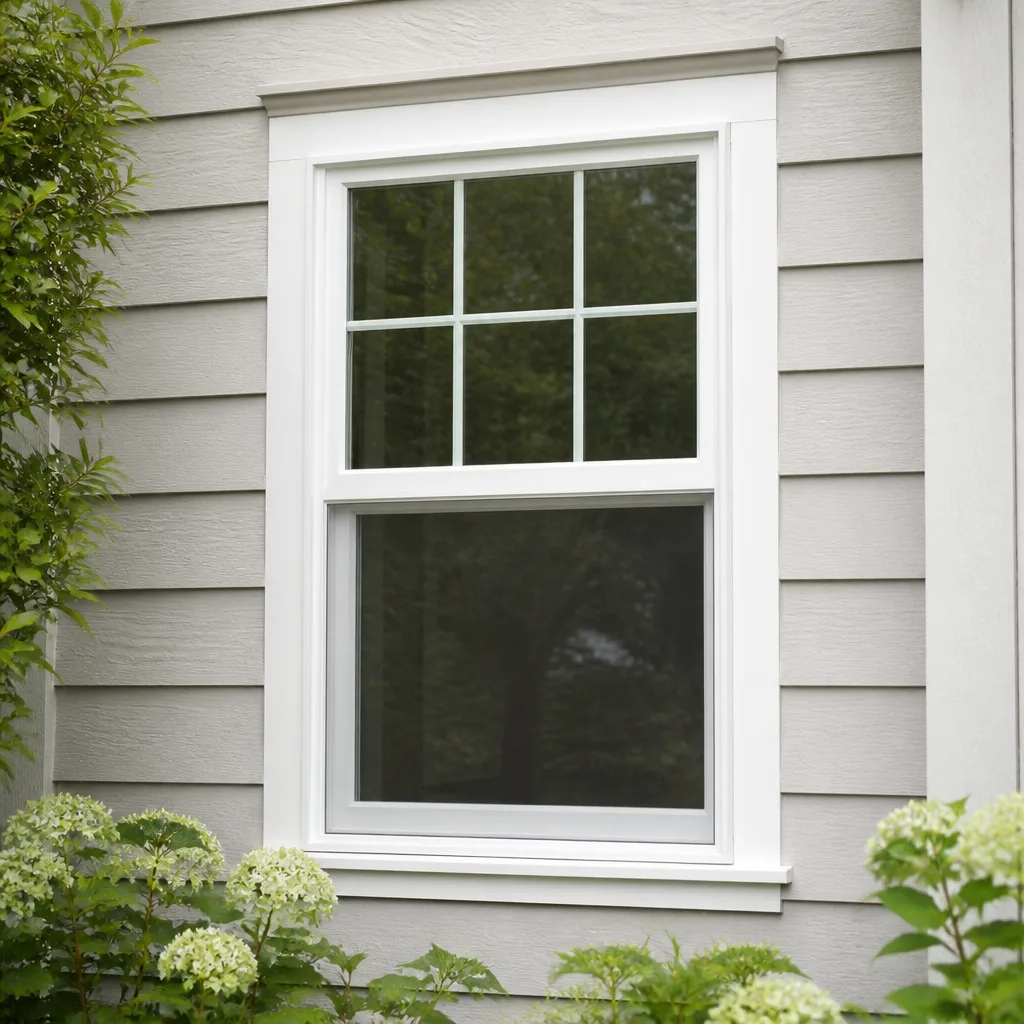 Single hung
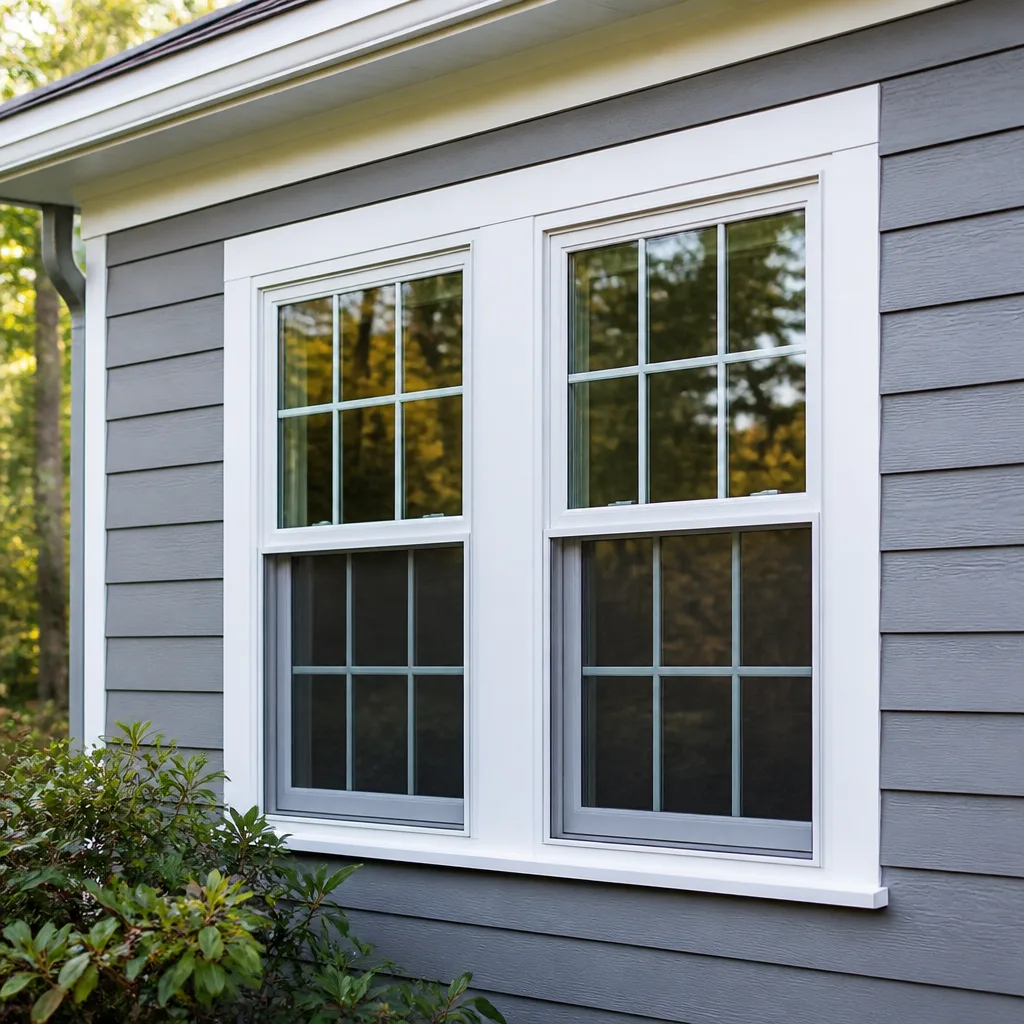 Double hung
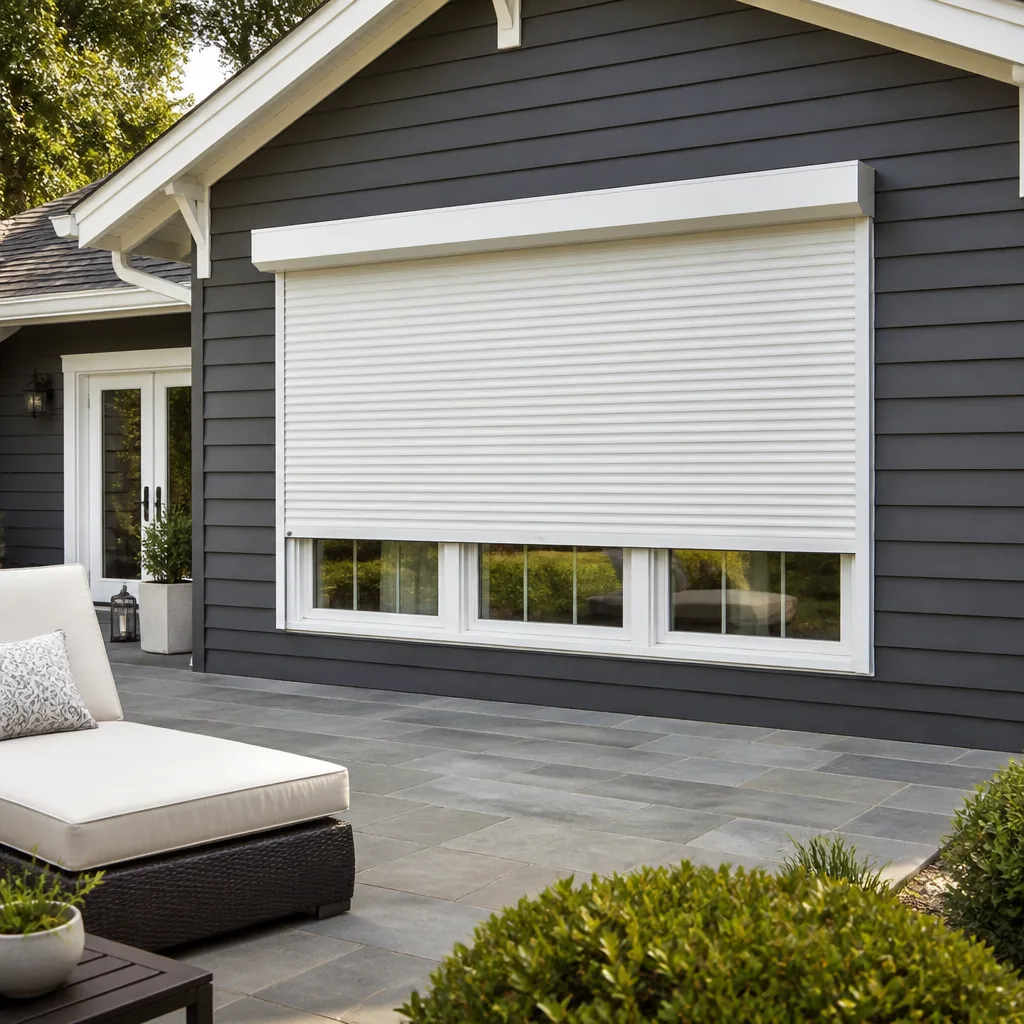 Horizontal roller
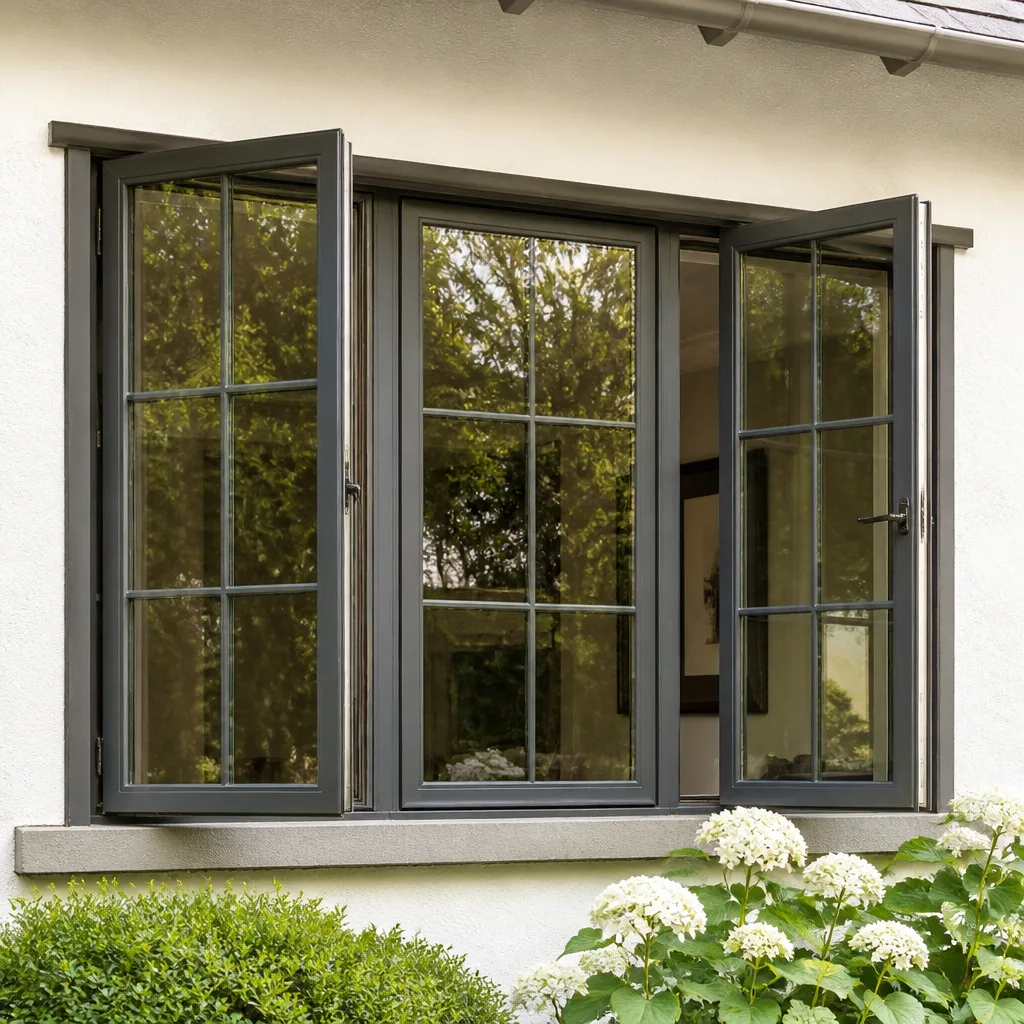 Casement
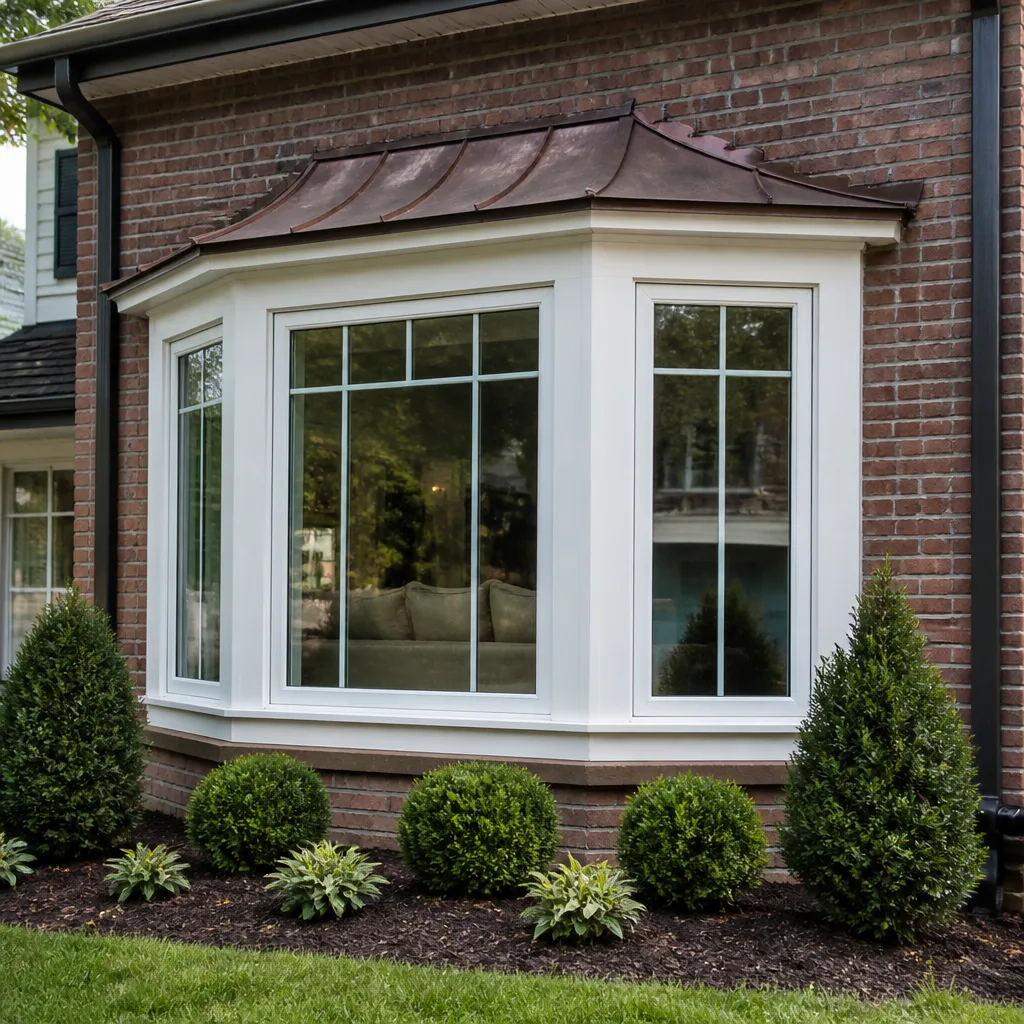 Bay & bow
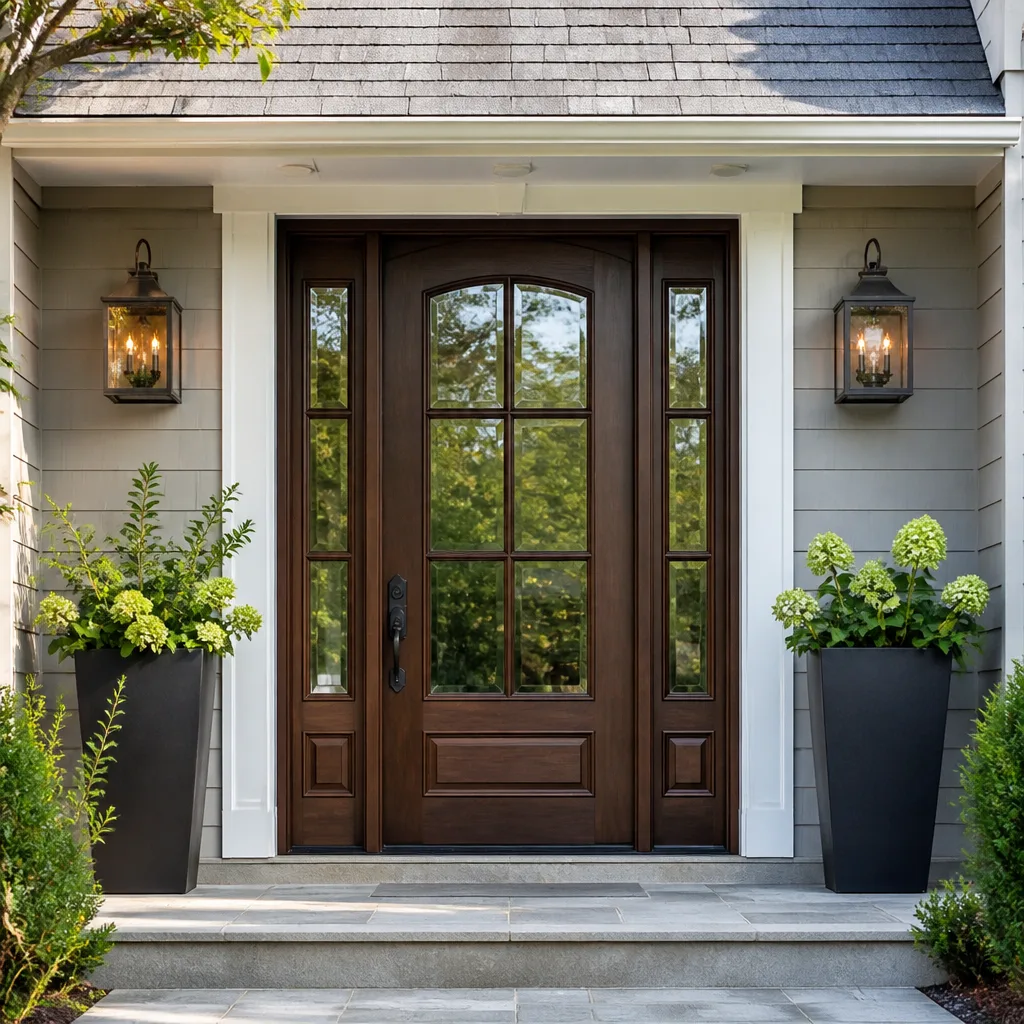 Entry doors
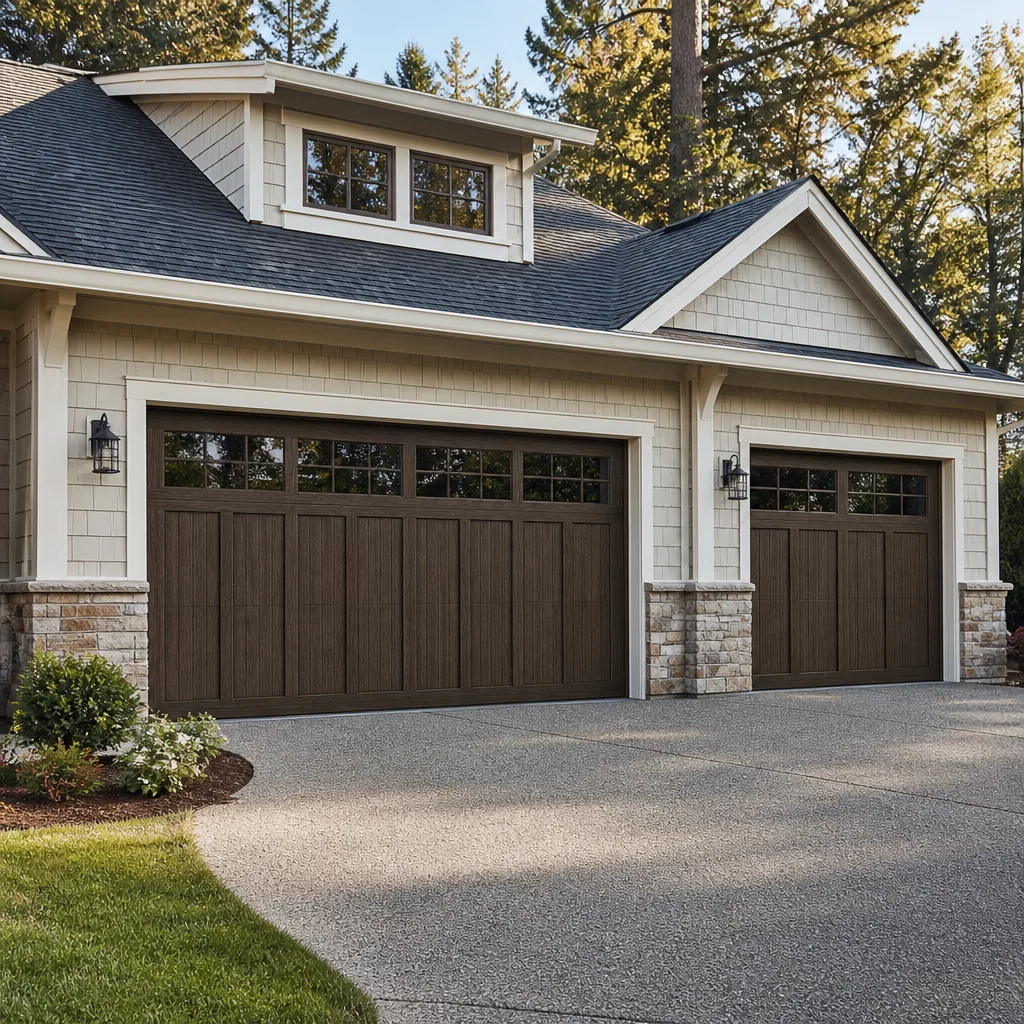 Impact garage doors
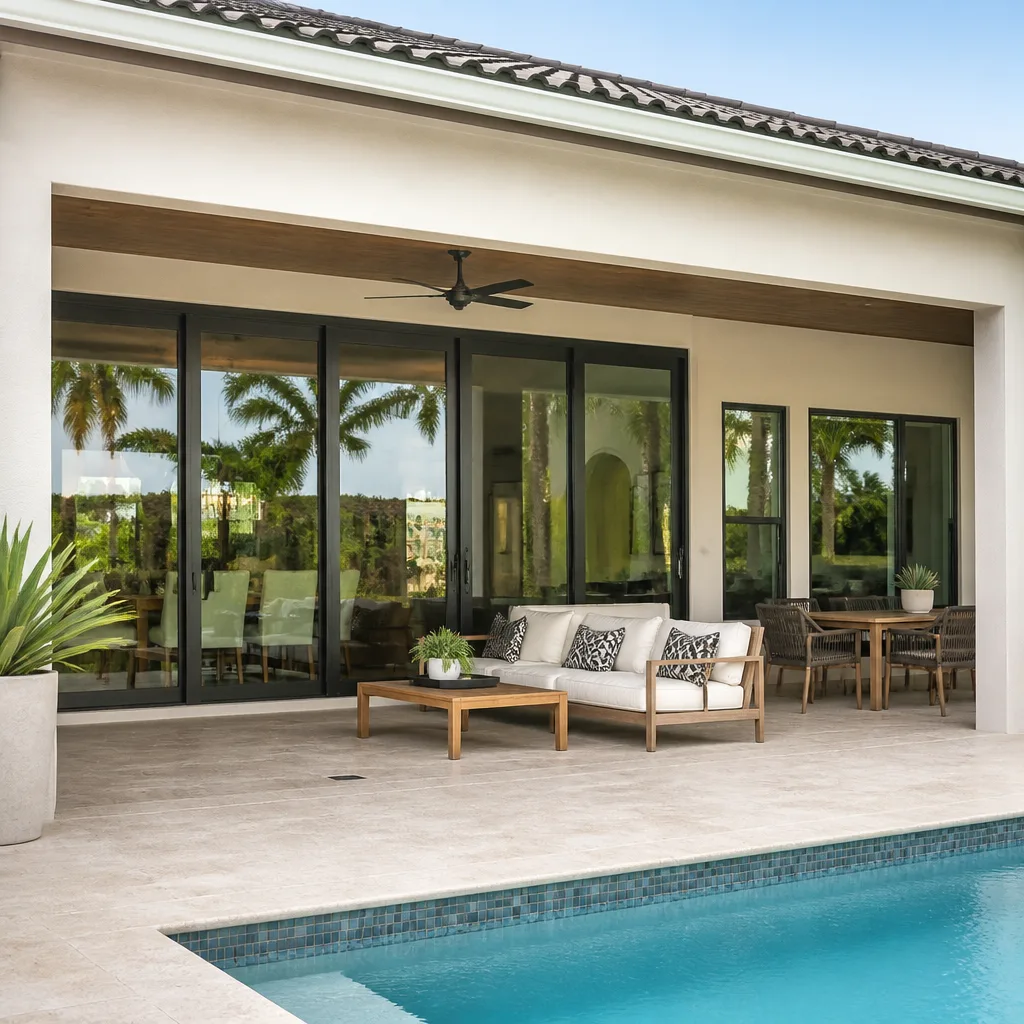 PGT
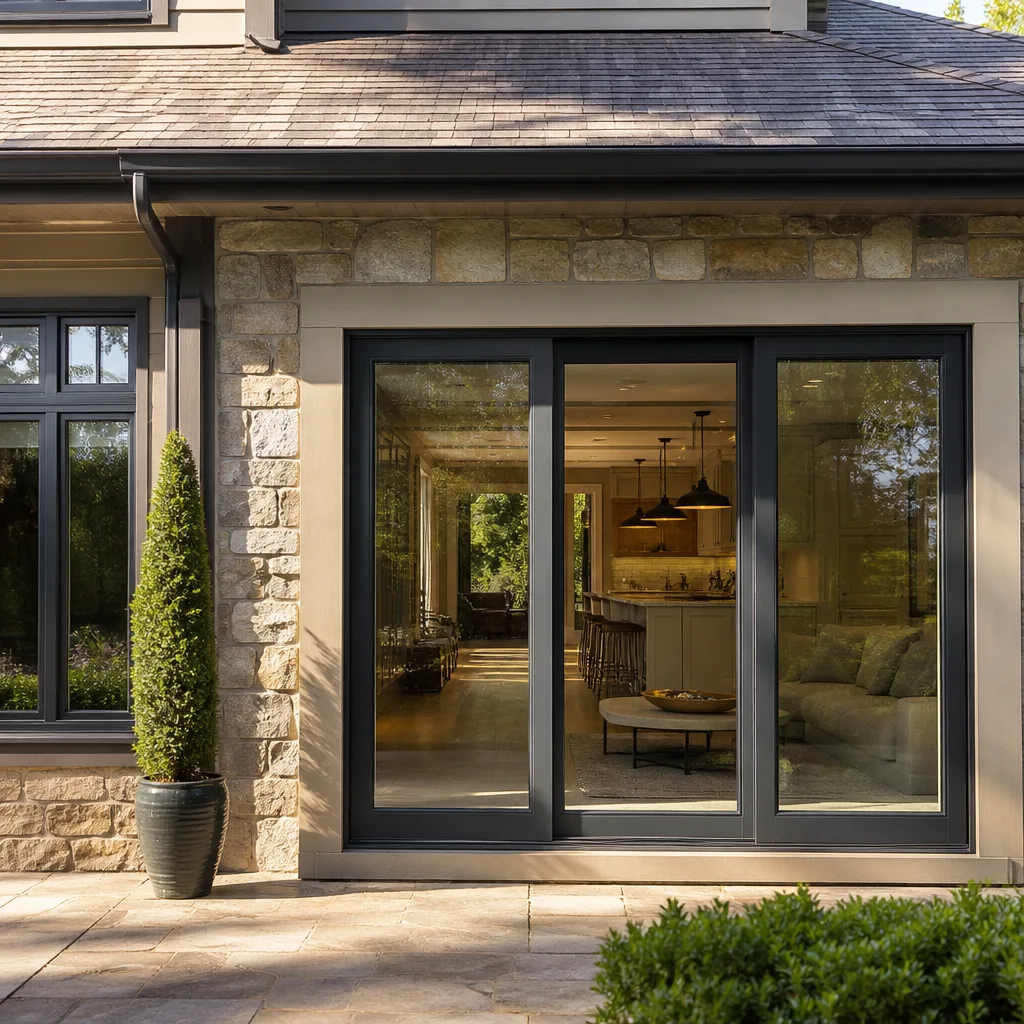 CGI
Free in-home measure and quote - PGT, CGI and CWS impact lines compared on your actual openings, style by style
Get your free estimateHow to Hire a Windows & Doors Contractor in Everett: A Step-by-Step Guide
Here’s a scenario that plays out in Everett more often than most hiring guides admit. A homeowner does everything the advice columns say. They get three bids, they check licenses, they compare numbers, and they pick the middle quote. Then the windows go in and two summers later the west-facing units are uncomfortably hot in the afternoon, because every bidder carried the same vinyl line and nobody asked what the exposure actually called for. The problem was never honesty. It was inventory. A dealer who stocks one manufacturer sells the product on the truck, and a quote from three single-brand dealers can look like competition when it’s really the same recommendation three times. This guide shows you how to vet for product independence as carefully as you vet for installation competency, and how to read what’s actually in a quote.
Quick Answer
To hire a windows and doors contractor in Everett, verify the contractor’s Washington State registration and complaint history through the Department of Labor & Industries before anything else, then confirm whether they carry multiple manufacturers or represent a single brand. Ask directly what products they considered for your specific openings, insist the quote itemize permits, haul-away, and trim work, and get both the installation warranty and the manufacturer warranty in writing. The vetting that matters most isn’t license or price. It’s whether the person recommending a product has more than one option to recommend.
Styles & brands we work with
- Single hung
- Double hung
- Horizontal roller
- Casement
- Bay & bow
- Sliding glass doors
- Entry doors
- Impact garage doors
- PGT
- CGI
Table of Contents
- Step 1: Verify the Contractor’s Washington License and L&I History
- Step 2: Find Out Whether They’re Product-Independent or a Single-Brand Rep
- Step 3: How to Read a Window Replacement Quote Line by Line
- Step 4: Match the Product to an Everett House, Not to a Sales Sheet
- Step 5: Installation Warranty vs. Product Warranty
- Step 6: Everett-Specific Red Flags
- Step 7: The Sliding Door Question
- Step 8: Questions to Ask on the Call
Step 1: Verify the Contractor’s Washington License and L&I History
Most hiring advice stops at “check their license.” That’s the beginning, not the end. In Washington, a contractor registration number is public record and the state’s Labor & Industries lookup tool shows far more than whether the number is active. You can see the registration status, the bond and insurance on file, and a history of complaints and violations filed against the business. A contractor can be fully licensed and still have a pattern of complaints that never shows up on a business card.
Here’s how to actually run the check:
- Ask the contractor for their Washington contractor registration number before you talk about products or pricing. A legitimate operation gives it without hesitation.
- Look the number up in the L&I contractor verification system and confirm the registration is active and current, not expired or suspended.
- Read the complaint history. One resolved dispute in a long record is different from a cluster of unresolved complaints about incomplete work or nonpayment of subcontractors.
- Confirm the bond and insurance listed match what you were told. If the registration shows a lapsed bond, walk away regardless of how good the quote looks.
- Cross-check the business name against the number. A registration under a different legal name than the one on the quote is worth a question.
This matters in Everett because the market draws contractors from across the Puget Sound region. A crew that drives in from another county may hold a perfectly valid Washington registration, but their L&I complaint record tells you whether their out-of-area work has gone well. Do this step first. Everything after it assumes you’re dealing with a legitimate business.
Step 2: Find Out Whether They’re Product-Independent or a Single-Brand Rep
A single-brand dealer in Everett has a structural incentive to recommend the one line they carry, even when a different product would perform better on your particular wall. This usually isn’t dishonesty. When the only fiberglass option in the warehouse is on the other side of town and the vinyl line is stacked by the door, the vinyl line is what gets quoted. The recommendation follows the inventory. That’s the risk most hiring guides never mention, and in a market this size it’s the most expensive one you’ll face.
Product independence is a vetting question, not a marketing claim. These questions expose it:
- “What else did you consider for this opening, and why did you rule it out?” A multi-brand installer can name a specific alternative and give a real reason. A single-brand rep tends to pivot back to their line.
- “Which manufacturers do you install, and how do you choose between them?” If the answer is one name, you’re talking to a distributor’s sales channel, not a product specialist.
- “Can you show me an impact-rated option and a standard option side by side for this window?” Multi-brand access makes this a normal request. Single-brand shops struggle with it.
- “Does your recommendation change if I tell you this is a west-facing wall with full afternoon sun?” Ask it twice, once for a shaded north wall, and see whether the answer actually changes.
A specialist carrying eight brands, from impact-rated PGT and CGI lines to Therma-Tru entry systems, can match the product to the opening instead of matching the opening to the catalog. That’s the difference between window replacement in Everett done around your house and window replacement done around a distributor’s quarterly target. When you interview contractors, treat product breadth as a qualification, not a bonus.
Step 3: How to Read a Window Replacement Quote Line by Line
Two quotes for the same job can differ by thousands of dollars and still be honest, because one includes work the other quietly leaves out. The line items that create that gap are predictable. Learn to spot them and the numbers stop being confusing.
Ask for a written, line-item quote and check that it addresses each of these:
- Permits. Most cities require a permit for window and door replacement, so ask your city’s building department what applies to your project. A quote that omits permit fees either plans to pass them to you later or plans to skip them. Both are your problem down the road.
- Haul-away and disposal. Removing old units and disposing of them costs money. If it isn’t listed, confirm in writing who handles it.
- Interior trim and exterior finish. Replacement typically disturbs trim around the opening. Ask explicitly whether trim work is included, partially included, or excluded, and get the answer in writing.
- Product specification. The quote should name the manufacturer, the product line, the glass package, and the frame material for every opening. “Vinyl window, standard glass” is not a specification.
- Opening count. Count the openings listed against the openings in your house. A quote that quietly drops one is not a lower price, it’s an incomplete job.
- Change-order language. Ask what happens if the crew finds rot or an out-of-square rough opening after removal. A fixed price with no change orders is the standard to hold a contractor to, and it should appear in the paperwork.
A quote missing any of these isn’t necessarily a bad quote. It’s an unfinished one. Send it back and ask for the missing lines before you compare prices, because comparing an itemized quote against a lump sum is comparing two different jobs.
Step 4: Match the Product to an Everett House, Not to a Sales Sheet
Everett’s housing stock is varied enough that one product recommendation can’t serve every house. The city runs from older homes near the waterfront and the historic north end to mid-century neighborhoods and newer construction farther out. Orientation matters as much as age. A west-facing wall takes the full weight of summer afternoon sun, and a large expanse of glass on that side behaves differently from a shaded north-facing opening a few feet away. Wind exposure varies by elevation and how open the lot is. A recommendation that ignores orientation isn’t a recommendation, it’s a default.
When you’re evaluating what a contractor proposes, ask them to walk through these points for your house:
- Exposure by opening. Which walls face the afternoon sun, which face prevailing wind, and how does the proposed glass and frame handle each.
- Frame material fit. Vinyl, fiberglass, and aluminum each behave differently with temperature swing and with the finish and profile of your existing exterior. The right answer depends on the wall, not the price tier.
- Impact-rated options where they make sense. PGT and CGI both build impact-rated lines engineered for high-wind and storm-exposure conditions. In a region that sees serious wind events, knowing those lines exist and when they’re worth the money is part of a real recommendation.
- Style and proportion. A replacement that changes the visible proportions of a facade can look wrong even when the performance numbers are excellent. Designer lines like ViewLux exist for homeowners who care about that, and a specialist should be able to talk about it.
- Doors as part of the envelope. Entry doors and sliding doors are part of the same exterior system as the windows. A contractor who handles Therma-Tru entry systems alongside window lines can think about the whole envelope instead of one product category.
If the contractor can’t speak to exposure, orientation, and material choice in specifics, they’re not matching product to house. They’re matching product to what’s available.
Step 5: Installation Warranty vs. Product Warranty
You need two warranties, in writing, and most homeowners only get one. The manufacturer’s product warranty covers the window or door itself, typically against defects in materials and manufacturing. It does not cover the installation. If a unit leaks because it was set poorly, flashed incorrectly, or shimmed wrong, the manufacturer warranty generally won’t help you, because the product didn’t fail. The installation did.
Here’s what each one covers and what to confirm before you sign:
- Product warranty. Ask for the manufacturer’s written warranty for the specific product line being quoted. Coverage terms vary by line, so a warranty for a different product in the same catalog doesn’t apply.
- Installation warranty. Ask for the contractor’s own written warranty on labor and installation, and read what it actually covers. Air and water infiltration at the perimeter, hardware adjustment, and finish work are the items that matter.
- Duration and transferability. How long does each warranty run, and does it transfer if you sell the house? A transferable warranty has real value in a market where homes change hands.
- Who performs the work. Ask whether the warranty is backed by the company doing the installation or handed off to a third party. If the answer is vague, the warranty is weak.
- What voids it. Find out what actions on your part end coverage, so you don’t accidentally trigger an exclusion.
Get both documents before the job starts, not after. A contractor who installs what they recommend has every reason to stand behind both, because the accountability for the product and the installation sits with the same business. If you’re weighing window replacement across several bids, compare the warranties before you compare the prices. A slightly higher quote with a real installation warranty is often the cheaper job.
Step 6: Everett-Specific Red Flags
Some warning signs are universal. Others show up in this market in particular, and they’re easy to miss if you’re focused on price. Watch for these:
- Out-of-area crews with no local permit history. Ask how many permits the contractor has pulled in Everett and the surrounding area. A contractor who can’t speak to local permitting hasn’t worked here much, and local permit offices have their own expectations about documentation and inspection.
- Storm-chaser patterns after major wind events. After a serious windstorm, out-of-region outfits appear offering urgent replacement. They do the work quickly, collect payment, and leave. The registration check in Step 1 and a look at the L&I history will separate the long-term operators from the fly-by-night ones.
- Quotes that don’t name the product. A quote referencing only “premium vinyl” or “energy-efficient glass” is a placeholder. Every opening should list manufacturer, line, and glass package by name.
- Pressure to sign during the estimate. Planned replacement is not an emergency. A contractor who says the price is only good today is selling urgency, not product.
- No written installation warranty. If the installation warranty is verbal or “standard,” ask for the written document. If it can’t be produced, there isn’t one.
- A recommendation that never varies. If every opening in your house gets the same product with the same glass, ask why. Sometimes that’s correct. Often it means no one looked at orientation.
None of these signs means a competitor is dishonest. They mean the vetting isn’t finished. Ask the question, get the answer, then decide.
Step 7: The Sliding Door Question
Sliding door replacement is a distinct service. It’s often treated as an afterthought by general window companies, because the installation details differ from a standard window in ways that matter: the span is larger, the track and threshold have to sit level and drain correctly, and the operating panels carry weight that a fixed unit doesn’t. A contractor who handles windows as their primary trade and sliding doors as an occasional favor may not have the depth to get a large opening right the first time.
Ask specifically about sliding doors during the hiring process:
- Do you install sliding doors as a routine service, or do you subcontract them? You want the same contractor accountable for the whole opening.
- What products do you recommend for a slider, and from how many manufacturers? A sliding door specialist should have options here too, not one line.
- How do you handle the threshold, drainage, and track on a replacement slider? The answer should be specific.
- Will the same company that sold you the slider be the one that installs and warrants it? “We install what we recommend” should mean the whole job, not just the windows.
This is also where door replacement and window replacement come together. A contractor who carries both door replacement options and window lines, and handles entry doors alongside sliders, can think about the exterior envelope as a whole. If you’re planning window installation and a new entry door in the same project, that single accountability is worth asking about up front.
Step 8: Questions to Ask on the Call
Before you book an estimate, run through this list. The answers will tell you quickly whether a contractor is worth the visit.
- What’s your Washington contractor registration number, and can I look it up before we talk further?
- How many brands do you install, and how do you decide between them for a specific opening?
- Will you pull the permit for my project, and who handles the inspection?
- Does your quote itemize permits, haul-away, and interior trim?
- What does your installation warranty cover, and can I see it in writing before I sign?
- Do you install sliding doors and entry doors as part of your regular work?
- How long will the job take once materials arrive, and how are weather delays handled?
Keep the conversation practical. A specialist who can answer every one of these without circling back to a sales pitch is the one you want. Ask each question and listen for a direct answer, not a deflection.
Common Mistakes to Avoid
- Treating three single-brand bids as competitive. If all three contractors carry the same manufacturer, you’re comparing the same product priced three ways, not comparing real options.
- Checking the license and stopping there. The registration status is a minimum. The L&I complaint history is where the actual signal is.
- Comparing lump-sum quotes against itemized quotes. A higher number that includes permits, trim, and haul-away is often cheaper than a lower number that excludes them. Get everything itemized first.
- Accepting a verbal installation warranty. If it isn’t written, it doesn’t exist. Get the document before you sign.
- Letting a quote slide on product specification. “Standard glass” tells you nothing. Every opening should list manufacturer, line, and glass package.
- Assuming the same product works for every wall. A west-facing opening in Everett gets much more heat than a shaded north one. A single recommendation across the whole house is a red flag.
- Overlooking the sliders. If a sliding door replacement is part of the plan, confirm the contractor actually does that work and isn’t subcontracting it out.
See the difference
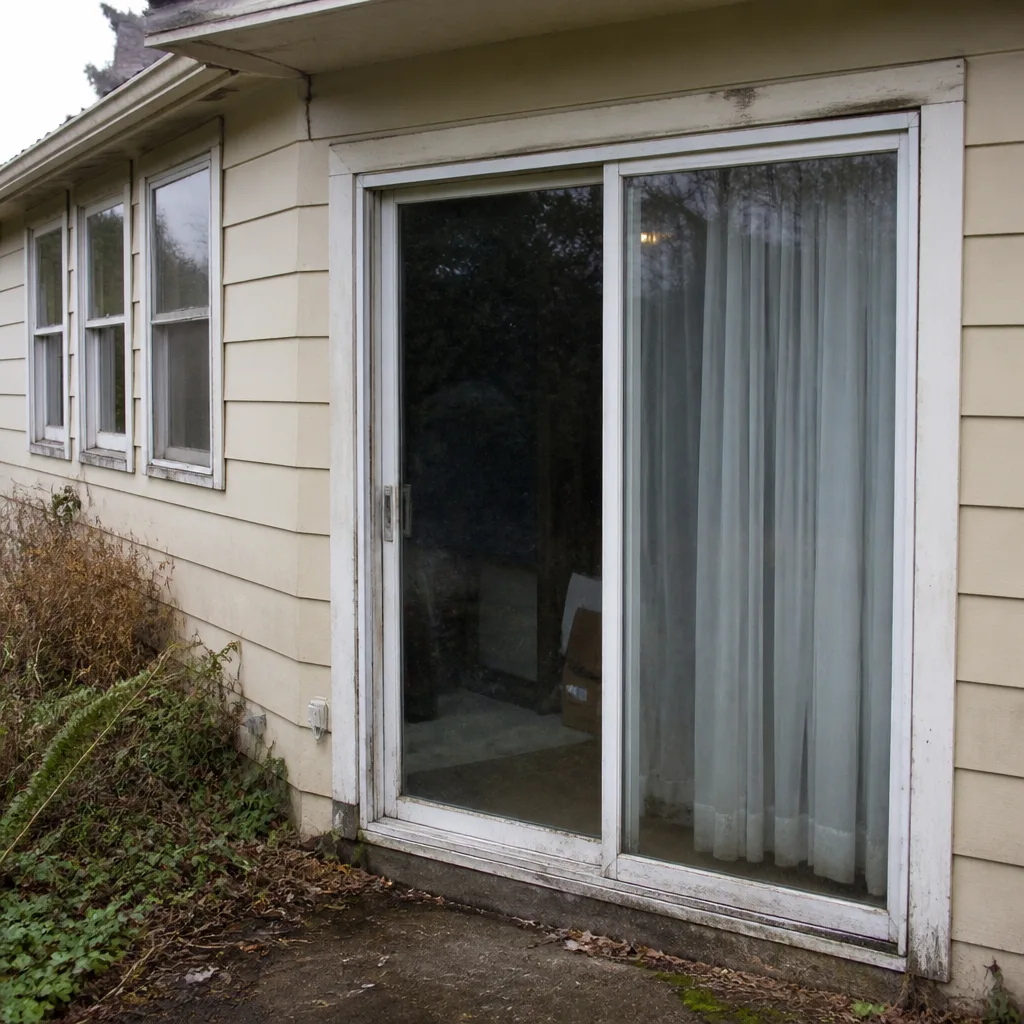 Before
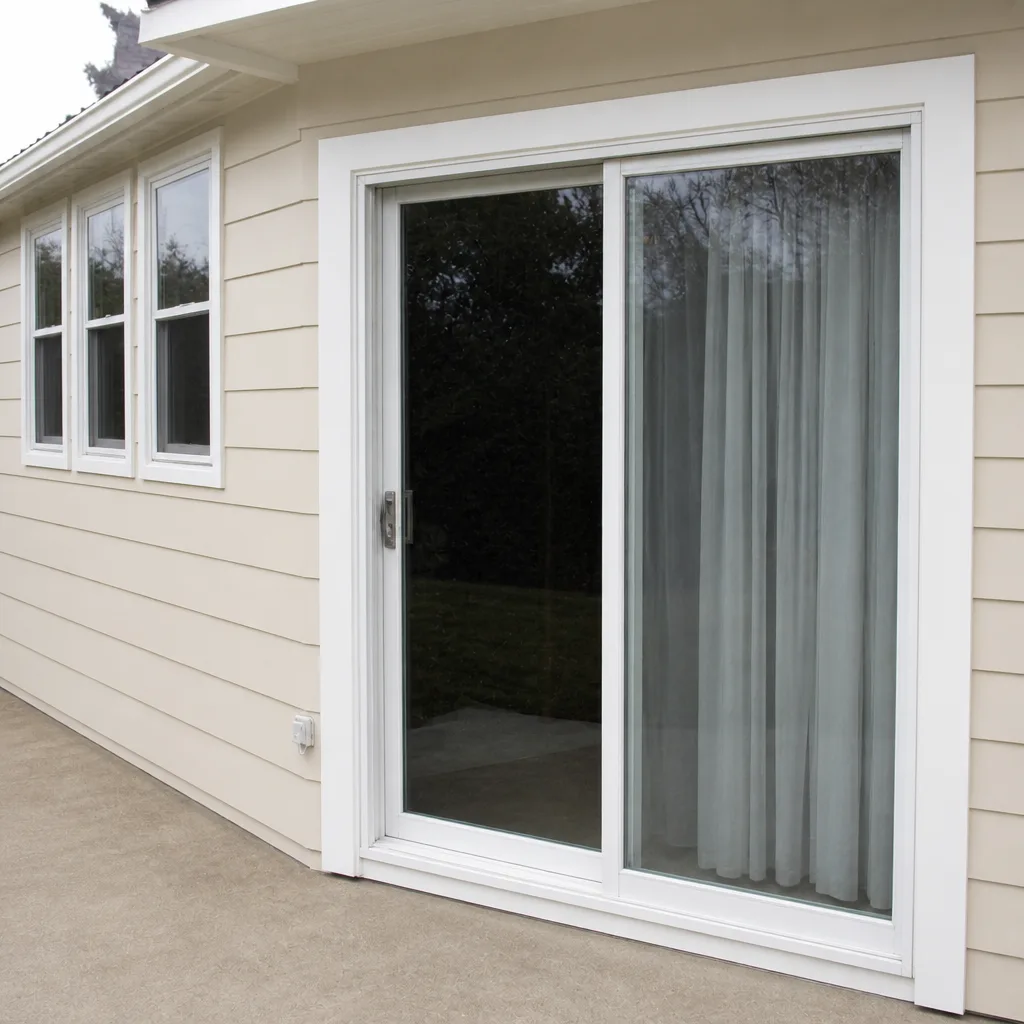 After
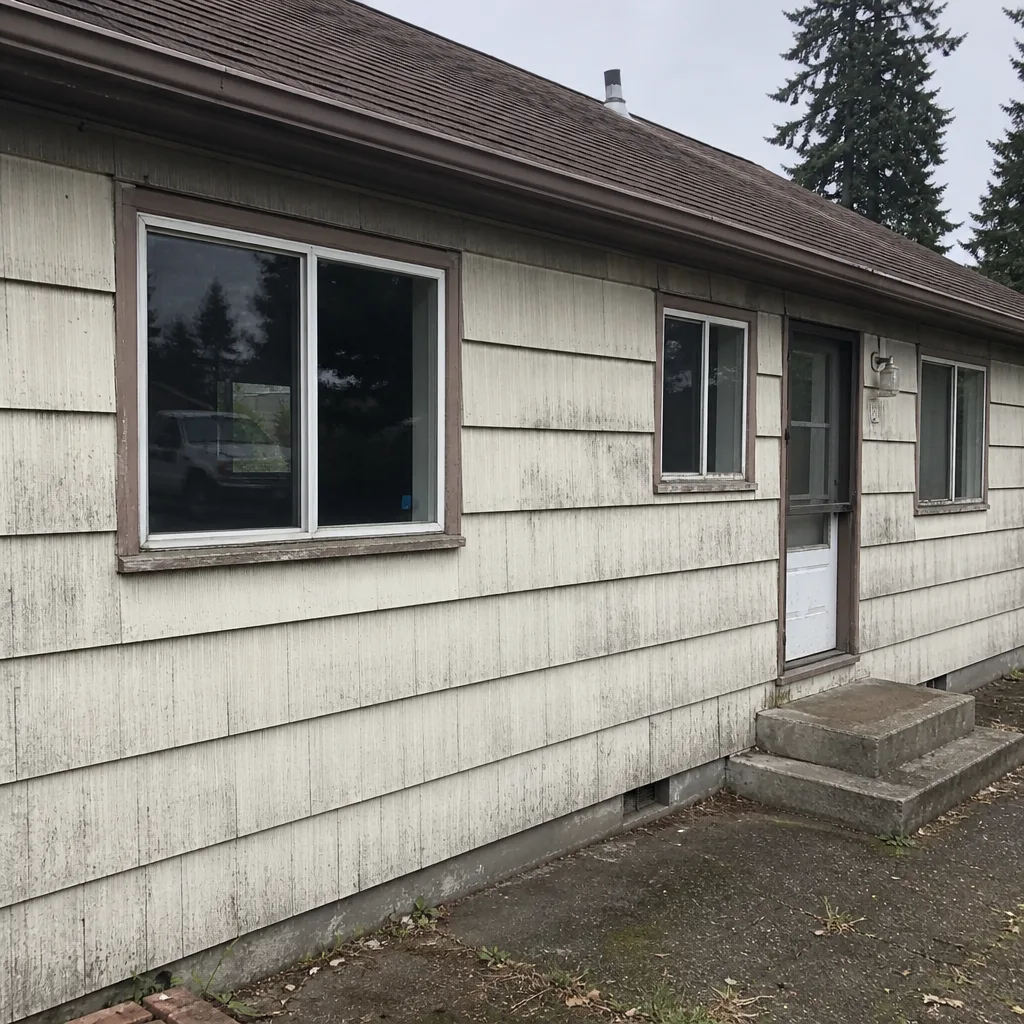 Before
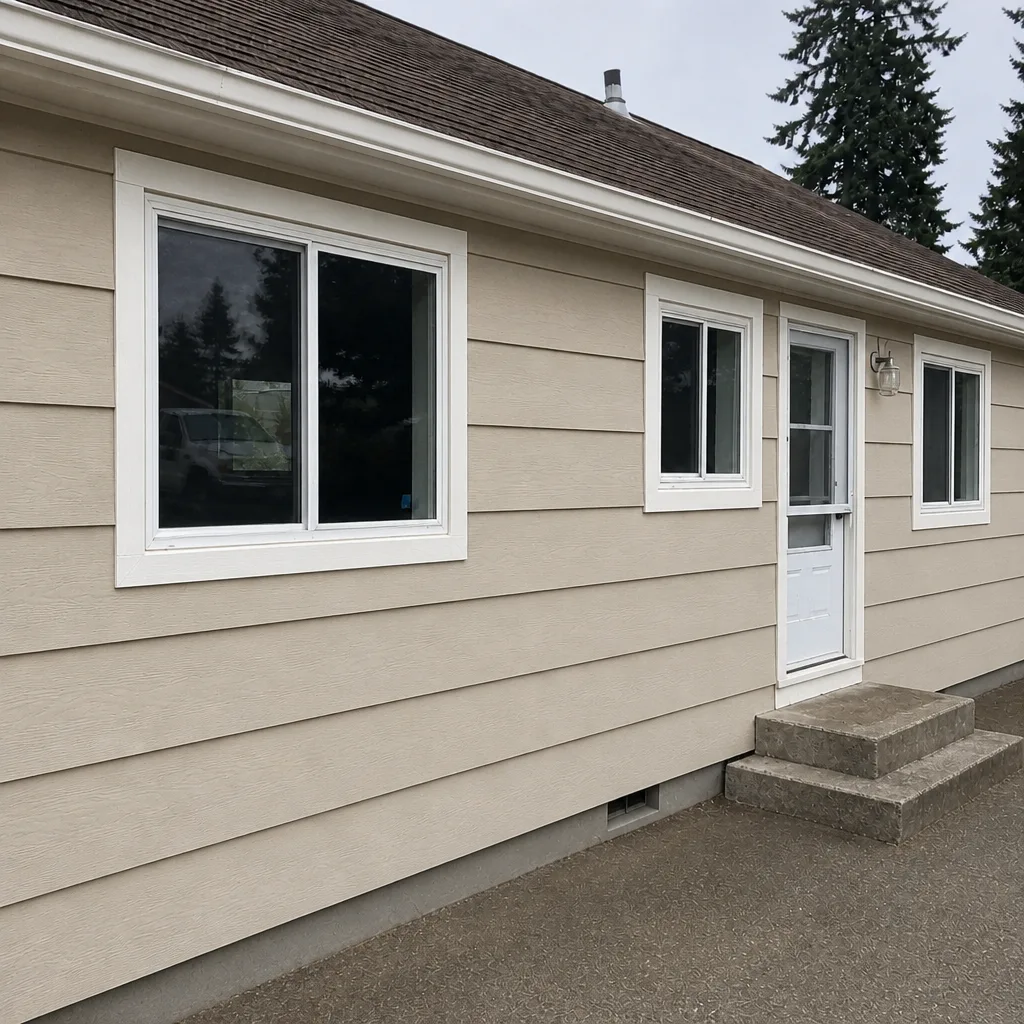 After
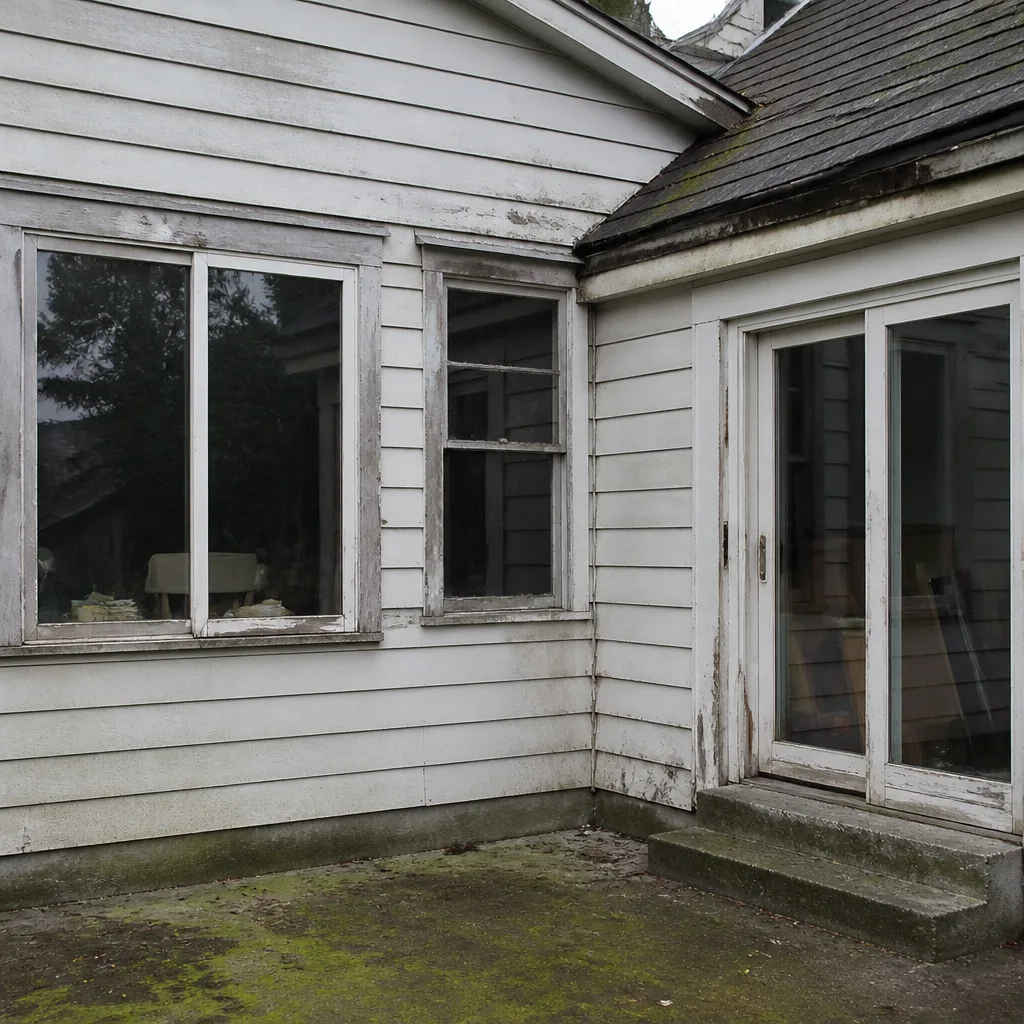 Before
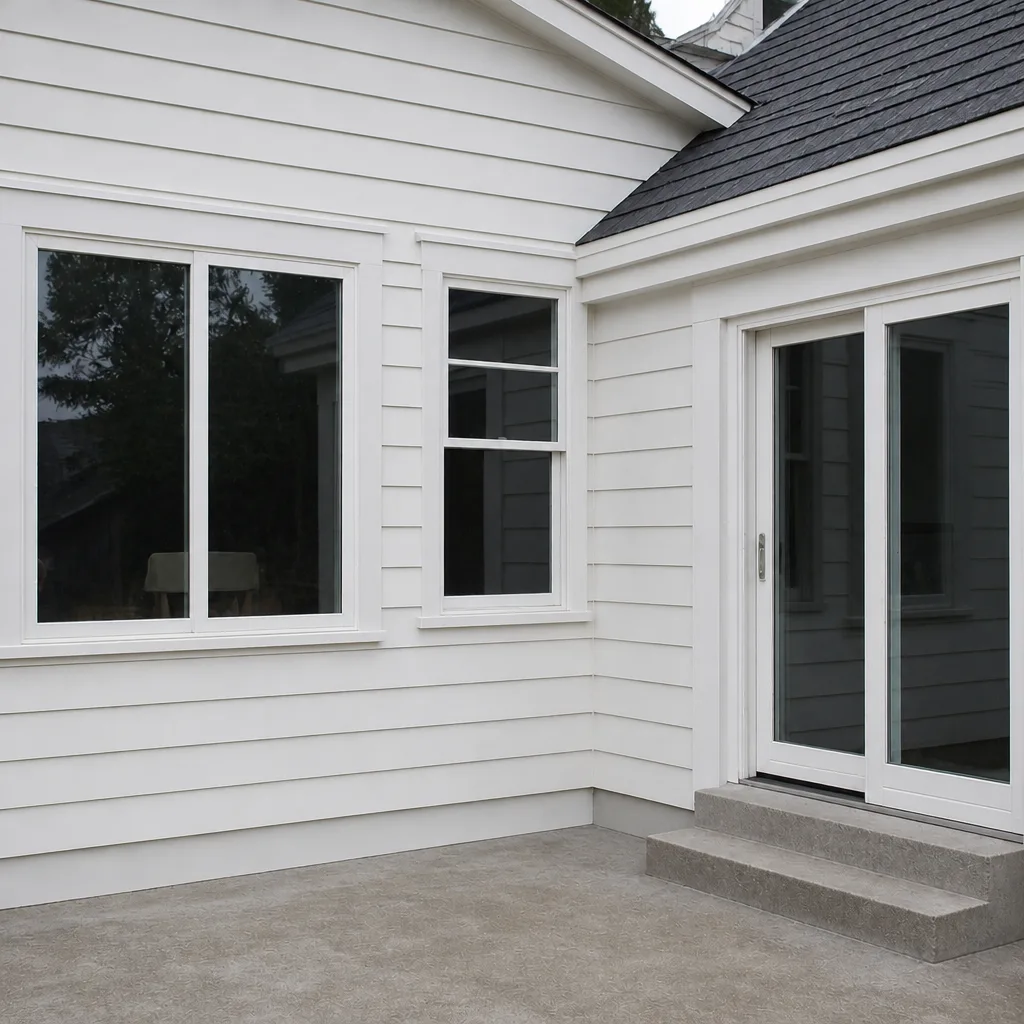 After
When to Call a Professional
Planned replacement is the obvious case, but plenty of Everett homeowners call when a door or window has stopped doing its job and they’re not sure whether the answer is a replacement or something simpler. If a unit is drafty, foggy, difficult to operate, or visibly damaged, a professional assessment will tell you what’s actually going on and what a replacement involves. The same is true for sliding doors that stick, bind, or leak at the threshold, and entry doors that no longer seal. A professional can also evaluate whether your older windows are due for a full replacement rather than a patch. Window Replacement Everett offers free estimates in Everett, with a written line-item quote and no change orders once the work starts. Call (425) 521-6663 to schedule your free estimate.
Frequently Asked Questions
Ask for their Washington contractor registration number and look it up in the state’s Labor & Industries verification system, then read the complaint history along with the registration status. Registration active and current is the baseline; a clean or well-resolved complaint history is the real signal. Call us at (425) 521-6663 if you want to walk through what to look for. Estimates are free.
Pricing depends on the number of openings, the product line, frame material, glass package, and how much trim and trim repair the job requires. Because those variables swing so much, a specific number from one quote won’t tell you much about yours. What you should compare is the itemized line items: permits, haul-away, trim, product specification per opening. Call (425) 521-6663 for a written estimate on your project.
Product independence. A contractor who carries a single manufacturer will recommend that manufacturer’s product whether or not it’s the best fit for your opening, because it’s the only option in the inventory. Ask how many brands they install and what they considered for your specific walls. Call (425) 521-6663 to hear how we match product to the house, not to the catalog.
Timeline depends on the number of openings, the product lines selected, and how quickly materials arrive. Most full-home replacement jobs run several days once materials are on site, while smaller jobs run shorter. Weather matters here, and a contractor should be straightforward about how delays are handled. Call (425) 521-6663 for a clearer timeline on your specific project.
Most cities require a permit for window and door replacement, so ask your city’s building department what applies to your project before the work is scheduled. A legitimate contractor pulls the permit and handles the inspection as part of the job, and the quote itemizes the fee. If a bidder suggests skipping it, that’s a problem. Call (425) 521-6663 with any questions about how permitting works on our jobs.
The product warranty covers the window or door itself against defects; the installation warranty covers the labor and the way the unit was set. You need both in writing. If a unit leaks because of how it was installed, the manufacturer warranty usually won’t apply. Call (425) 521-6663 to see our written installation warranty before you commit to anything.
Yes. Sliding door replacement is a core part of what we do, alongside entry door replacement and window work, so the same contractor stays accountable from product selection through the finished install. The threshold, track, and drainage details on a slider are different from a standard window, and they matter. Call (425) 521-6663 to talk through your project.
We work with eight manufacturers, including PGT, CGI, CWS, ES Windows, ECO Window Systems, Mr-Glass, Therma-Tru, and ViewLux. That span covers impact-rated lines for high-wind exposure, energy-efficient options, and designer styles, plus Therma-Tru entry door systems. The point isn’t the brand list; it’s that we can match the product to your opening instead of selling you the only thing in the warehouse. Call (425) 521-6663 to see what fits your house.
The Bottom Line
Hiring a windows and doors contractor in Everett isn’t really a license check followed by a price comparison. It’s a product-fit decision with a license check on top. Verify the L&I registration and complaint history first, then ask the questions that reveal whether the contractor can actually choose between products or is stuck selling one. Insist on an itemized quote that covers permits, haul-away, and trim; get both the installation and product warranties in writing; and confirm the contractor handles sliding and entry doors as routine work, not an afterthought. The right installer is the one who can match the product to your house and stand behind the whole job.
Window Replacement Everett brings eight brands under one roof so the recommendation follows your openings, not the inventory. We handle window replacement, entry door replacement, and sliding door replacement as a single-trade specialist, and we install what we recommend. Our technicians have up to 9 years of experience. Call (425) 521-6663 for a free estimate with a written line-item quote.
Written by the team at Window Replacement Everett.